
Western Command Showcases 17 Soldier-Led Innovations at Chandimandir Event

The Indian Army’s Western Command has showcased 17 soldier-led innovations at its Ideas & Innovation Competition 2026 in Chandimandir, placing practical battlefield problem-solving at the centre of its push for technology-driven transformation. The event brought together soldiers and young techno-commanders to present field-oriented, cost-effective ideas designed to meet contemporary operational requirements.
Held against the backdrop of rapidly changing warfare, the competition highlighted how emerging technologies are shaping battlefield awareness, mobility, precision, survivability, communications and decision-making. The Western Command’s focus was not simply on displaying ideas, but on encouraging troops to identify problems from the ground level and turn them into usable solutions that can improve preparedness and effectiveness.
Lt Gen Pushpendra Singh, AVSM, SM**, Army Commander, Western Command, felicitated the innovators and participants during the event. In his interaction with them, he urged techno-commanders and future military leaders to cultivate inquisitiveness, technological absorption, critical thinking and problem-solving within the Army.
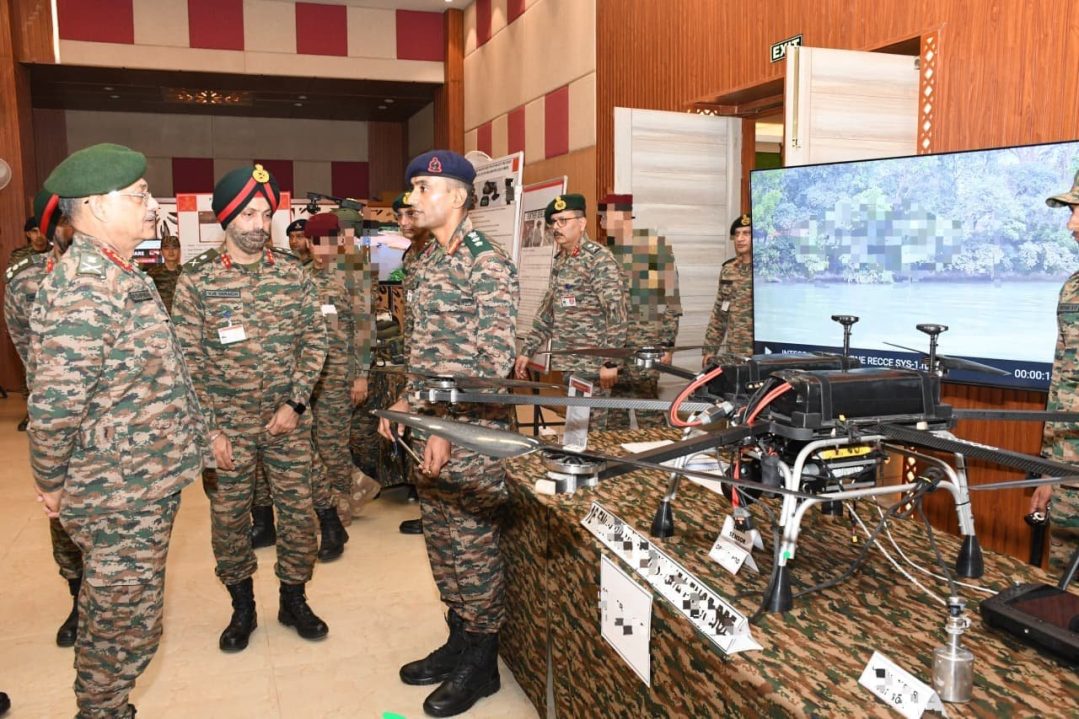
The message reflects a broader shift in military leadership requirements. Future commanders are expected not only to use existing systems effectively, but also to recognise capability gaps, understand new technologies and adapt to changing operational conditions. The Western Command’s competition was structured to reinforce that mindset among personnel who are likely to shape the Army’s next phase of modernisation.
According to the event details, the 17 innovations displayed by the Chakra Warriors covered a wide range of operational domains. Their field-oriented nature was a key feature of the competition, since soldier-led innovation draws directly from experience at the tactical level, where personnel are often best placed to identify practical shortcomings and devise workable solutions.
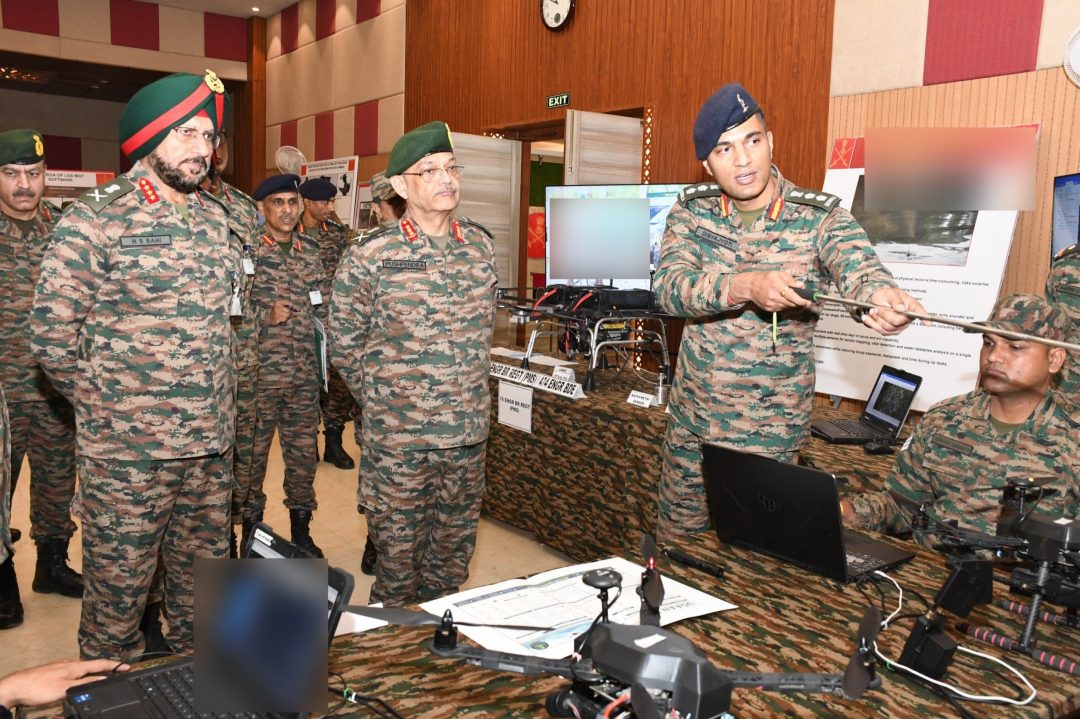
Cost-effectiveness was another important element of the initiatives on display. By promoting practical and economical solutions, the competition offered the Army a way to explore responses to operational needs without depending solely on expensive or externally developed systems. That approach also aligns with the growing emphasis on indigenous innovation and self-reliance within the force.
The event further reflected the Army’s broader interest in technological absorption — the ability to rapidly adapt commercially available technologies, develop solutions locally and refine equipment based on battlefield feedback. In a military environment where flexibility and responsiveness matter, such an approach can help formations keep pace with evolving threats and operational demands.
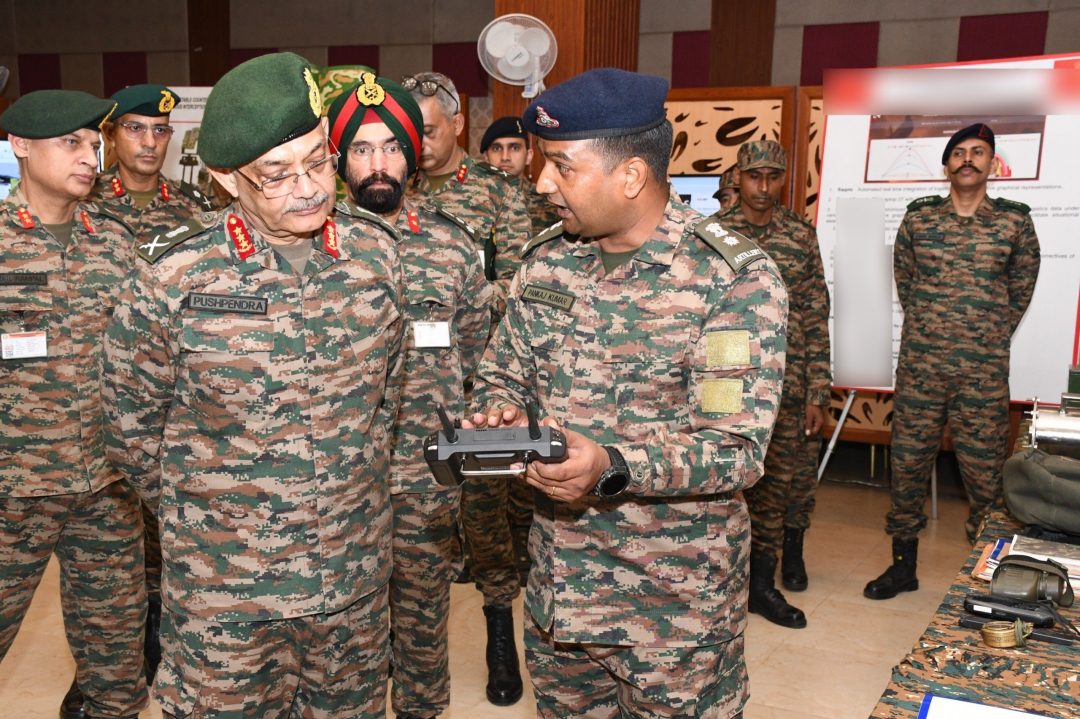
For the participants, the competition provided a platform to present ideas beyond their own units and gain recognition at the command level. Such visibility can be important in helping promising concepts move from isolated local solutions to wider adoption across the force, particularly when they address recurring operational needs.
Western Command’s initiative also points to the growing importance of building an innovation ecosystem inside the Armed Forces, one in which personnel at different levels are encouraged to contribute to capability development. Instead of treating technology as something imported from outside the military, soldier-led innovation puts operational users at the centre of the problem-solving process.
That approach is especially relevant as future warfare becomes more technology-intensive. Artificial intelligence, unmanned systems, sensors, robotics and advanced communications are already reshaping how militaries operate. The ability to absorb these technologies and integrate them into existing operational concepts will be critical if the Army is to retain battlefield advantage.
But the source of modernisation is not limited to equipment alone. It also depends on personnel who can understand, adapt and employ technology under operational conditions. Events such as the Ideas & Innovation Competition create an interaction between commanders, innovators and troops that strengthens this human dimension of military modernisation.
The Chakra Warriors’ 17 innovations, as showcased at Chandimandir, represented the meeting point of operational experience, indigenous ingenuity and technology. By keeping the focus on current battlefield imperatives, the competition sought to ensure that innovation remains connected to the real needs of soldiers and commanders rather than detached from the field.
The event also reinforced the value of a culture that encourages personnel to question existing methods, identify shortcomings and develop solutions. Such a culture can shorten the journey from an operational problem to an idea and, eventually, to a deployable capability.
In that sense, the Western Command’s Ideas & Innovation Competition 2026 reflects a broader transition in India’s military modernisation journey — from technology acquisition alone towards technology absorption, indigenous development and battlefield-focused innovation. The 17 field-oriented ideas demonstrated how initiatives originating with soldiers can contribute directly to practical military capability.
As the Indian Army prepares for increasingly fast-moving and technology-heavy conflicts, the ability to innovate at the tactical level may become an important enabler. The Chandimandir event underlined a central idea behind that effort: future battlefield advantage will depend not only on sophisticated platforms, but also on the ingenuity, adaptability and problem-solving ability of the soldiers who operate them.
For Western Command, the competition served as a reminder that innovation is now an integral part of operational preparedness, with soldier-led ideas being treated as potential building blocks for practical capabilities in future wars.


