
Surgeon Vice Admiral Arti Sarin Pays Tribute to AFMC Bravehearts During Pune Farewell Visit

Surgeon Vice Admiral Arti Sarin, PVSM, AVSM, VSM, Director General Armed Forces Medical Services, paid tribute to AFMC personnel who died in service during a farewell visit to the Armed Forces Medical College, Pune, on 10 August 2026, linking the institution’s legacy of sacrifice to the responsibilities of today’s military medical community.
At Prerna Sthal, the college’s war memorial, Surgeon Vice Admiral Sarin offered homage to the AFMC bravehearts who made the supreme sacrifice in the service of the nation. She laid tribute at the memorial and remembered the fallen for their courage, dedication and selfless devotion to duty.
Addressing those present, she urged medical officers, faculty members and students to uphold the service ethos embodied by the institution’s fallen heroes. She said the legacy of those who gave their lives for the nation places an enduring responsibility on every generation serving in the Armed Forces Medical Services.
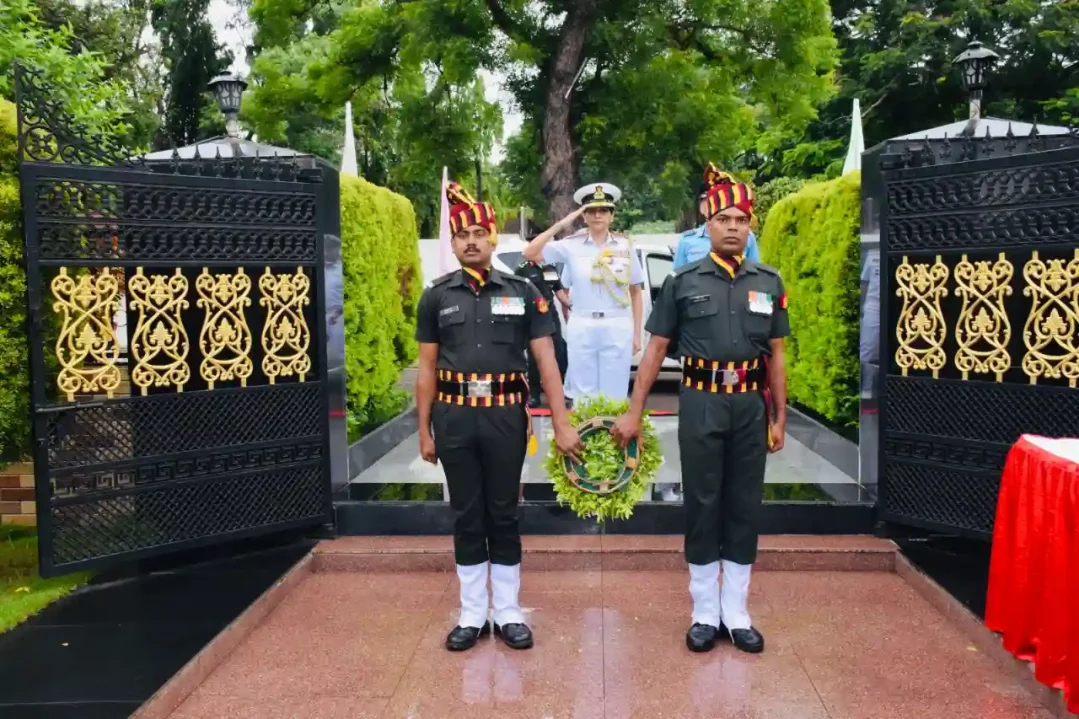
The occasion carried added weight because of Surgeon Vice Admiral Sarin’s own long-standing association with AFMC. She studied at the Pune institution, completing both her MBBS and postgraduate education there, before building a career that went on to span the Indian Army, Indian Navy and Indian Air Force.
Commissioned into the Armed Forces Medical Services in December 1985, she has held a series of senior appointments across the tri-service military medical establishment. These have included serving as Director and Commandant of AFMC, Director General Medical Services (Air), Director General Medical Services (Navy), and, from October 2024, Director General Armed Forces Medical Services.
She is the first woman to hold the post of DGAFMS and is among the most senior-ranking women officers in the history of the Indian Armed Forces. Her career has reflected the tri-service nature of the Armed Forces Medical Services, with experience in military healthcare, medical education, administration and specialised medicine.
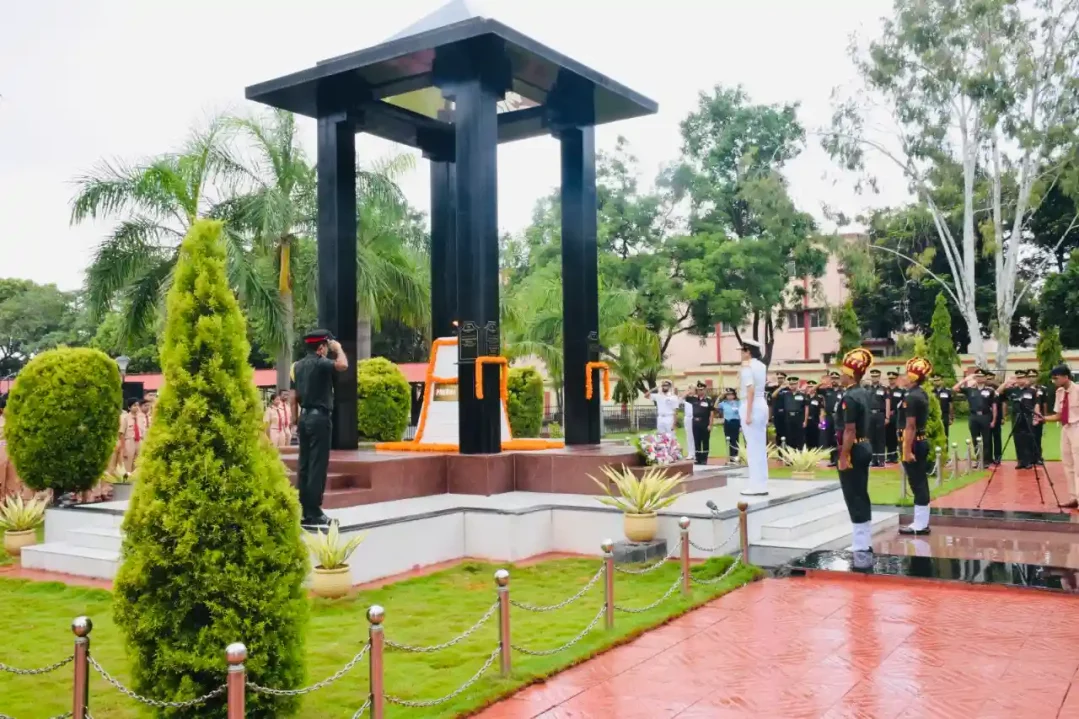
Her farewell visit also served as a return to the institution that shaped the early course of her professional life. In that sense, the ceremony at Prerna Sthal was not only a formal act of remembrance but also a reflection of AFMC’s dual identity as a centre of medical education and a military institution rooted in service before self.
The homage highlighted the continuing importance of remembering AFMC’s fallen personnel and of ensuring that their sacrifice remains a source of inspiration for future generations of military doctors and healthcare professionals.
The visit closed with a renewed focus on the values associated with AFMC and the wider Armed Forces Medical Services: courage, duty, compassion and service.


