
RVC Centre, Meerut Officers Train in Advanced Equine Breeding and Veterinary Techniques at Babugarh

RVC Centre & College, Meerut, has expanded the practical training of its officers through a specialised hands-on programme at the Equine Breeding Stud, Babugarh, aimed at strengthening field-level expertise in equine veterinary care.
Eight officers from the institution took part in the training, which was structured to supplement classroom learning with direct operational exposure. The programme focused on helping participants convert theoretical knowledge into applied professional skills, particularly in equine breeding and reproductive management.
At Babugarh, the officers were given practical experience across multiple aspects of equine breeding. The training allowed them to observe and perform specialised procedures in real-world conditions, deepening their understanding of how modern veterinary methods are used in practice.
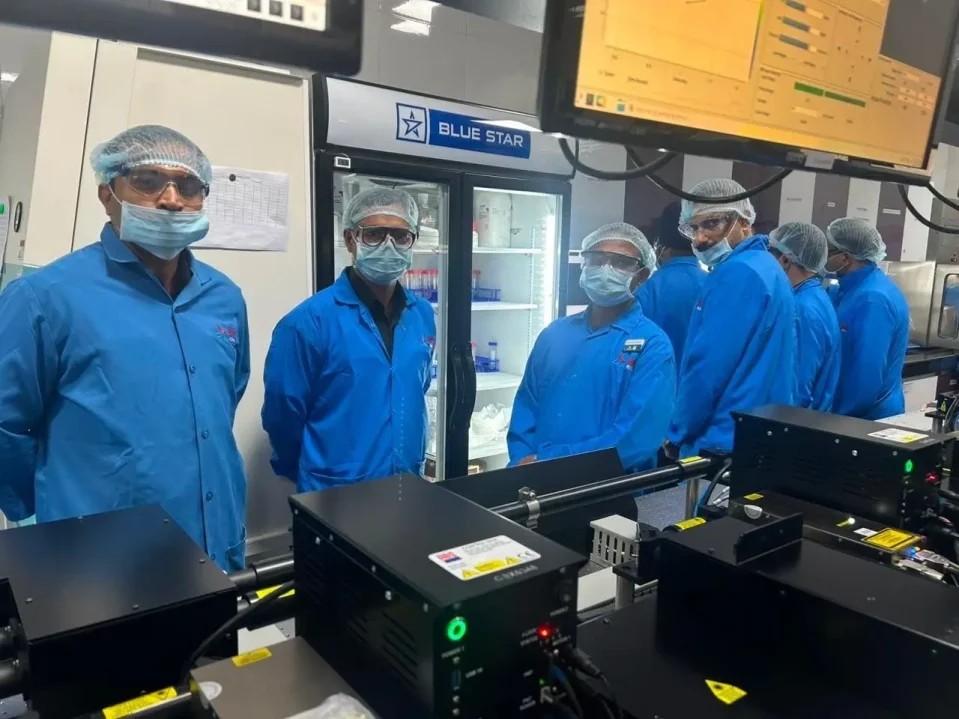
One of the central elements of the programme was assisted reproduction using frozen semen. Through this component, the officers received hands-on exposure to procedures linked to equine reproductive technologies, giving them a clearer understanding of contemporary techniques used to improve breeding outcomes.
The training also included ultrasonography and other diagnostic methods. This gave the participating officers practical familiarity with advanced examination and assessment tools that support clinical judgement and veterinary decision-making.
The emphasis on practical instruction is especially important in veterinary medicine, where professional capability depends not only on scientific and theoretical understanding but also on accuracy, experience and the ability to apply specialised techniques effectively in the field.
For the officers attending the programme, the Babugarh exposure offered an opportunity to sharpen technical skills while gaining a broader appreciation of current practices in equine breeding and healthcare.
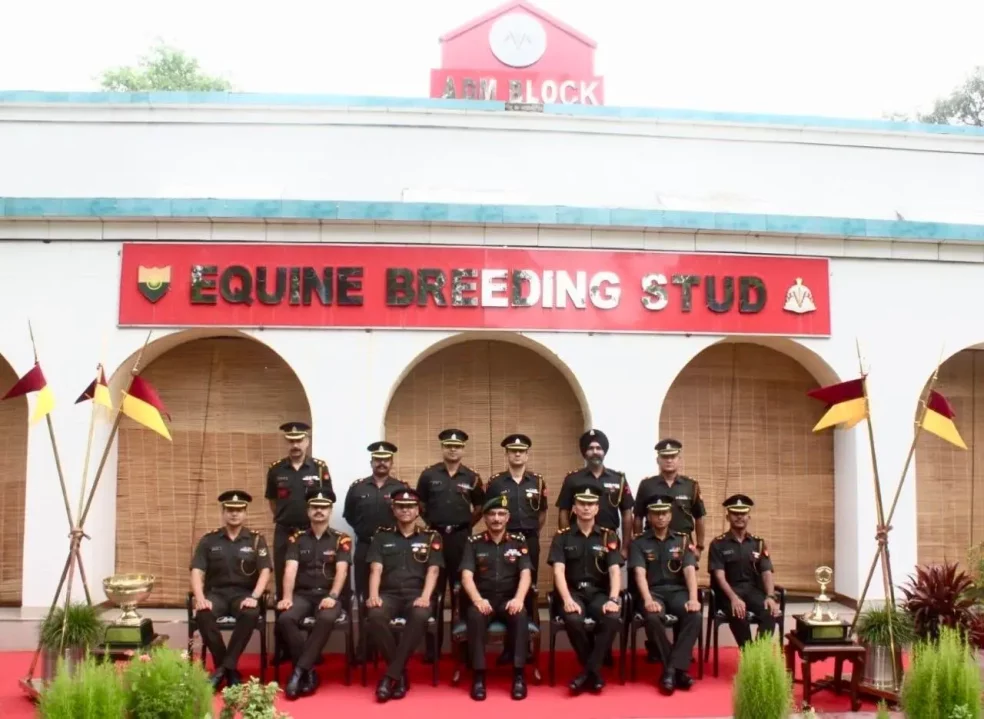
The initiative also reflects the RVC Centre & College’s focus on producing veterinary officers who combine scientific knowledge with hands-on competence. In the military context, such training supports the maintenance of high standards in animal healthcare while also addressing the operational requirements of the Armed Forces.
By placing officers in a working equine breeding environment and exposing them to advanced reproductive and diagnostic procedures, the programme reinforced the value of integrating science, technical skill, precision and field experience. The officers who underwent the training are now better prepared to apply these veterinary techniques in future assignments and contribute more effectively to service requirements.


