
PM Modi Commissions New Naval Ships: INS Dunagiri, INS Sanshodhak, INS Agray Strengthen Indian Navy

On June 21, 2026, Prime Minister Narendra Modi commissioned three significant naval vessels—INS Dunagiri, INS Sanshodhak, and INS Agray—into the Indian Navy during a ceremony in Kolkata. This event marks a significant advancement in India's efforts to modernize its maritime forces and enhance its domestic defense manufacturing capabilities.
The newly commissioned vessels, consisting of an advanced stealth frigate, a cutting-edge survey vessel, and a shallow water anti-submarine warfare craft, substantially boost the Navy's capabilities in terms of operational readiness and maritime security, particularly within the Indian Ocean Region.
During his speech at the event, Prime Minister Modi referred to the commissioning as a vital step towards realizing the vision of a self-reliant, secure, and developed India. He highlighted the critical role that maritime strength plays in a nation's economic growth, strategic influence, and security.
"A country with strong maritime capabilities has equally strong economic and strategic influence. India is preparing for this reality," the Prime Minister remarked.
Modi also spoke about India's progress in becoming self-reliant in defense manufacturing. He noted that the developments from the commissioning of INS Vikrant to the induction of INS Dunagiri, INS Sanshodhak, and INS Agray illustrate the country's growing expertise in indigenous design and innovation.
He highlighted that these vessels were designed and built in India, showcasing the skills of Indian engineers, scientists, shipbuilders, and industry partners. The construction involved over 200 micro, small, and medium enterprises (MSMEs), contributing to both employment generation and the strengthening of the domestic defense industry.
The Prime Minister further emphasized the government's commitment to enhancing shipbuilding, repair, and Maintenance, Repair, and Overhaul (MRO) capabilities as part of a broader national initiative. Recent policy measures and investments were highlighted as efforts to establish India as a major maritime and shipbuilding hub.
Defense Minister Rajnath Singh described the commissioning as a pivotal moment in enhancing India's maritime capabilities. He affirmed that the new vessels are evidence of India's strong defense manufacturing ecosystem and its commitment to self-reliance in defense.
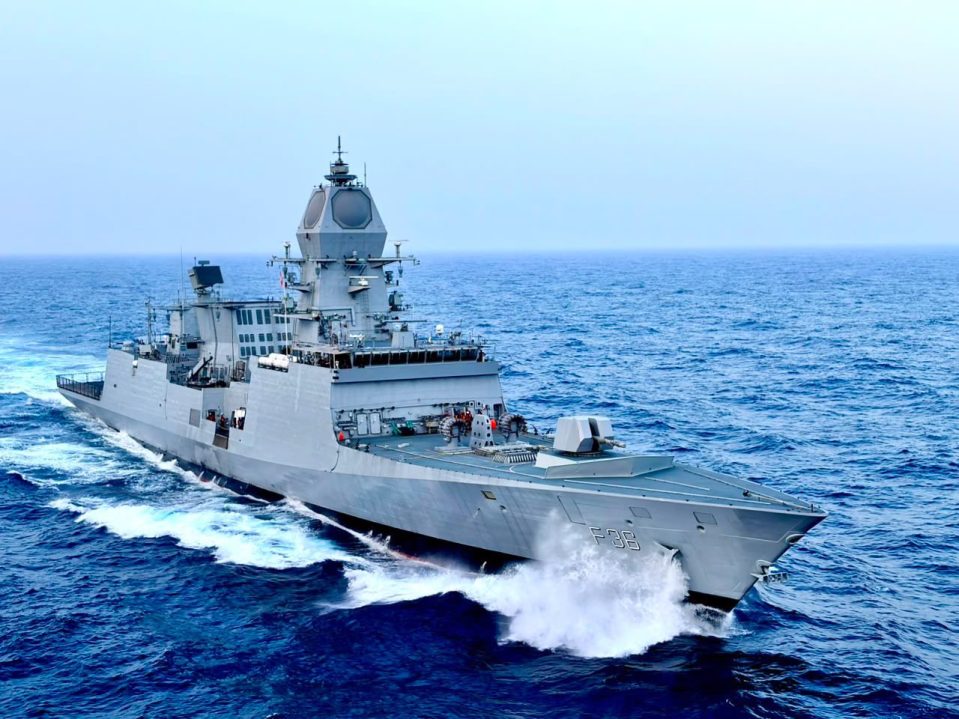
INS Dunagiri
INS Dunagiri, the fifth Nilgiri-class stealth frigate under Project 17A, is the second vessel of its class constructed by Garden Reach Shipbuilders & Engineers (GRSE). It is armed with advanced surface-to-surface missiles, modern air defense systems, anti-submarine warfare capabilities, and an integrated platform management system, thus significantly enhancing the Navy's blue-water combat capacity.
This frigate can also operate various types of helicopters, which increases its reach and operational adaptability across wide maritime areas.
INS Sanshodhak
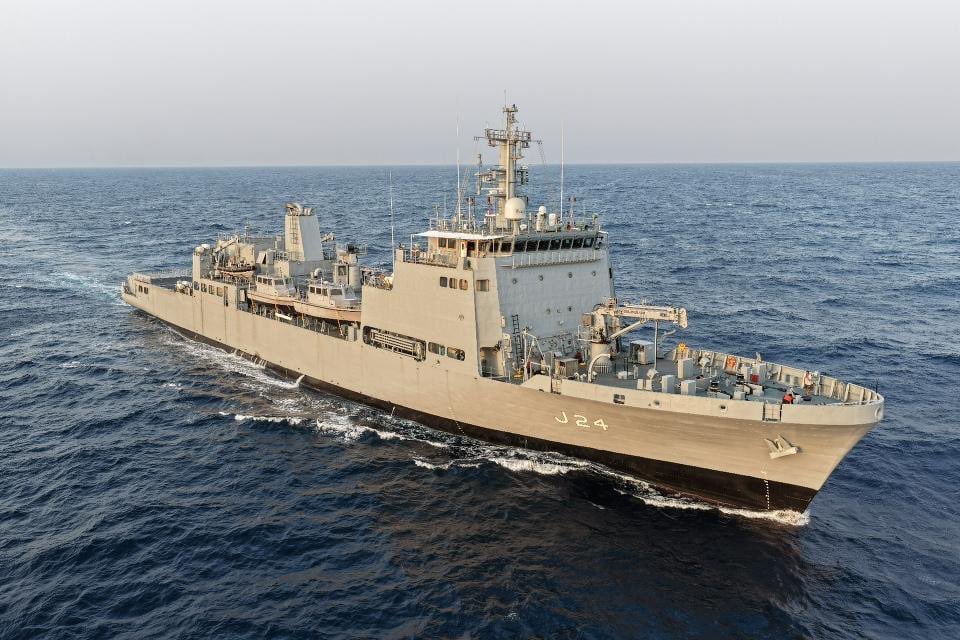
INS Sanshodhak, the fourth ship of the Survey Vessel (Large) class, is fitted with sophisticated hydrographic and oceanographic systems intended to aid in hydrographic surveys, coastal mapping, and maritime domain awareness.
This vessel is set to contribute to India's Maritime Vision 2030 and support the country's Blue Economy initiatives by collecting precise hydrographic data. It also boasts a dual-role capacity, allowing it to function as a hospital ship during humanitarian and disaster relief operations.
INS Agray
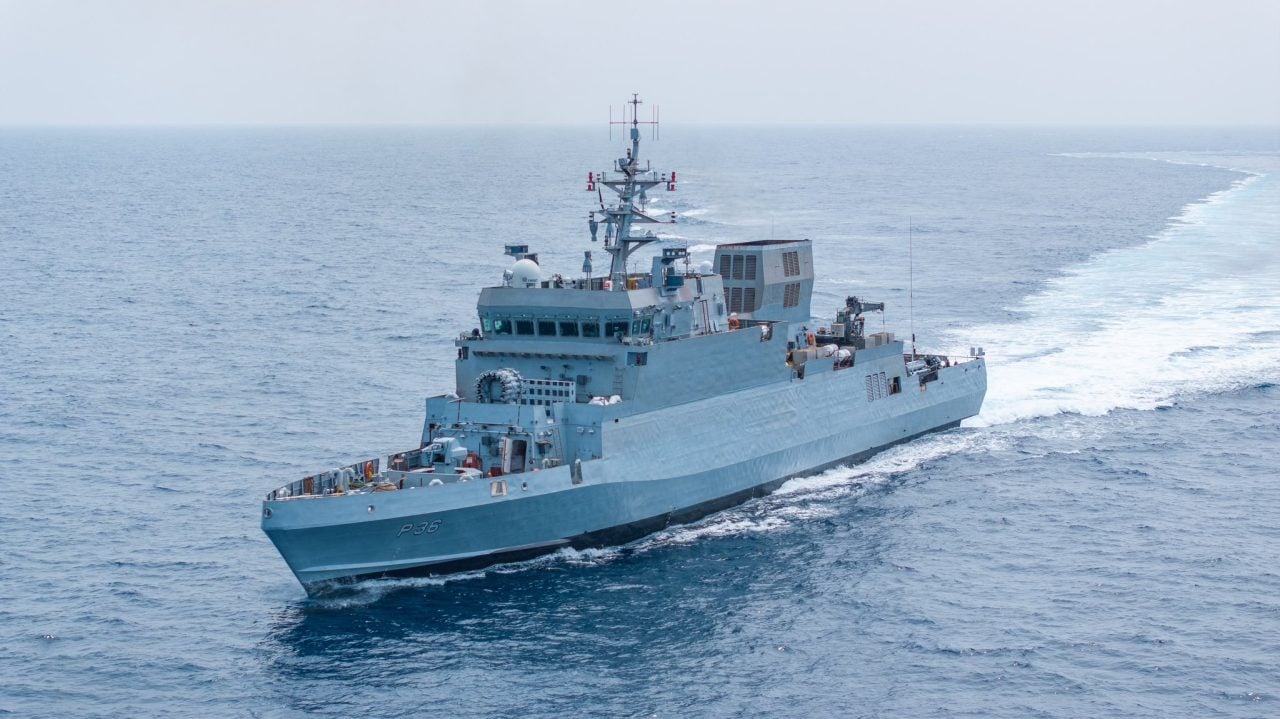
INS Agray, the fifth Anti-Submarine Warfare Shallow Water Craft (ASW-SWC), bolsters the Navy's ability to detect and counter underwater threats in coastal and littoral zones.
Equipped with advanced sonar systems, torpedoes, anti-submarine rockets, and a modern combat management system, the vessel is powered by waterjet propulsion. This provides it with superior maneuverability and quick response capability in shallow-water environments.
Admiral Krishna Swaminathan, Chief of the Naval Staff, described the tri-commissioning as another milestone in India’s naval shipbuilding journey, emphasizing the swift progress in indigenous warship construction, technological innovation, and self-sufficiency.
With indigenous content exceeding 75 percent, the commissioning of INS Dunagiri, INS Sanshodhak, and INS Agray underscores India's dedication to developing a modern, networked, and mission-ready naval force capable of protecting national interests and maintaining stability in the Indo-Pacific region.
The three vessels are set to play crucial roles in maritime security, anti-submarine warfare, hydrographic operations, as well as humanitarian assistance and disaster relief missions, thereby strengthening India's position as a dominant maritime power in the region.


