
NADT IRS Trainees Gain First-Hand Exposure to Indian Army Operations in Gujarat’s Rann, Creek Sectors

Indian Revenue Service officer trainees from the National Academy of Direct Taxes (NADT) have completed a five-day attachment with the Indian Army, during which they were given direct exposure to the military way of life and the operational realities of troops deployed in Gujarat’s Rann and Creek sectors.
The programme was organised under the Military Civil Fusion initiative, a broader effort designed to bring the Armed Forces and civilian institutions into closer contact and help each side better understand the other’s responsibilities, operating environment and institutional priorities.
For the IRS trainees, the attachment offered an opportunity to observe conditions in two strategically significant and environmentally demanding areas. The Rann and Creek sectors are known for their difficult geography and challenging terrain, and the engagement was intended to give the officers a clearer picture of the realities faced by soldiers tasked with maintaining operational readiness in such locations.
The exposure went beyond an overview of deployment. The trainees were also introduced to the daily routine, discipline, organisational structure and professional ethos that shape military service. Such familiarity is especially relevant for civil service officers, whose work often overlaps with national security, administration, border-area development and governance.
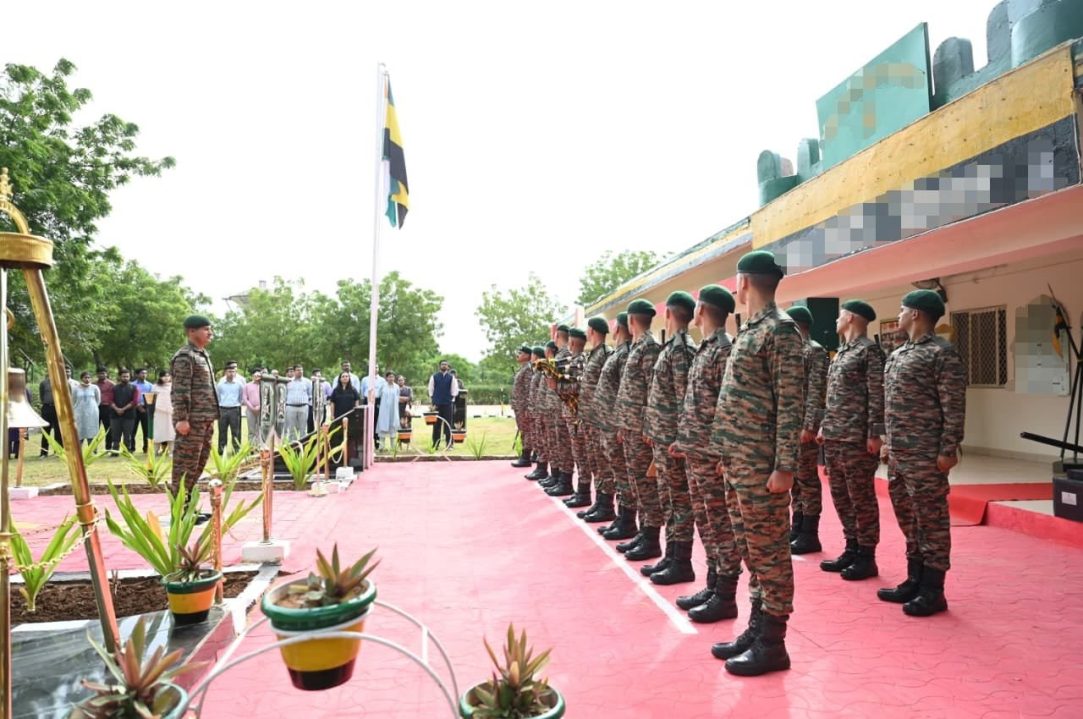
According to the programme details, the five-day interaction enabled direct engagement between the officer trainees and Army personnel, allowing both groups to gain a better understanding of their respective institutional roles. For the trainees, it provided practical insight into the pressures and constraints faced by troops on the ground, something classroom instruction alone cannot fully convey.
The initiative is part of a wider push for stronger civil-military interaction. Military Civil Fusion seeks to build bridges between uniformed services and civilian organisations through professional exchanges, shared learning and greater awareness of how security and governance responsibilities intersect in practice.
Such exchanges also hold value for the Indian Army. Engagement with civilian institutions can help military formations better understand the administrative and governance ecosystem in which they operate. For civil servants, meanwhile, exposure to Army life provides a closer look at the operational side of national security and the demands of maintaining security in frontier environments.
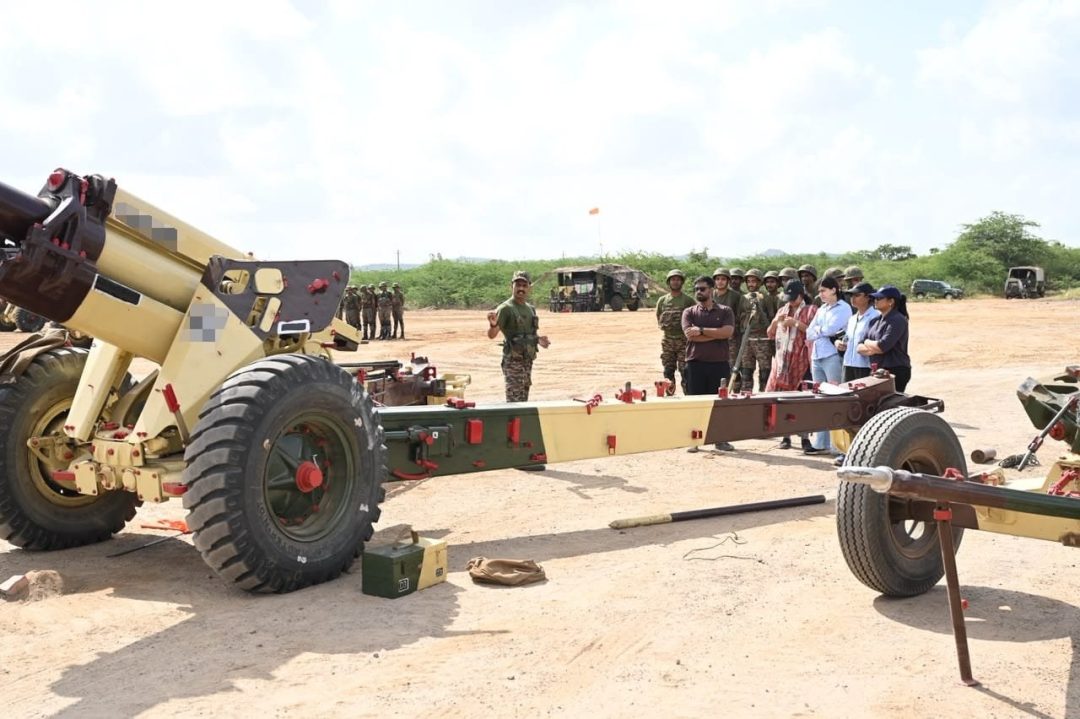
The Rann and Creek sectors of Gujarat offer a particularly apt setting for such an immersive programme because of their distinct environmental and operational characteristics. During the attachment, the trainees were able to see how military personnel adapt to harsh conditions while continuing to maintain vigilance, discipline and effectiveness in the field.
Beyond professional exposure, the programme was also aimed at building mutual respect and institutional understanding. Direct contact between officers from the civil administration and the Armed Forces can strengthen coordination and communication, especially in regions where security, governance and development concerns often overlap.
The engagement further highlighted the shared responsibilities of India’s civil and military institutions in supporting national security and effective governance. While the Armed Forces are charged with safeguarding territorial integrity and security, civilian institutions remain central to administration, economic governance, public policy and nation-building.
Viewed in that context, the five-day attachment for NADT officer trainees was more than an orientation exercise. It gave them an immersive perspective on military life and on the operational challenges faced by troops in the Rann and Creek sectors, while also reinforcing institutional ties between the Indian Army and the civilian administrative system.
Such initiatives can support a broader whole-of-government approach to national security by helping different institutions better understand their roles and work with greater coordination. The interaction between the NADT trainees and Army personnel therefore served to reaffirm a common commitment to national security, effective governance and nation-building.


