
MCEME Officer Cadets Visit School of Artillery, Learn Modern Firepower and Drone Warfare

Officer cadets from the Cadets Training Wing of the Military College of Electronics and Mechanical Engineering (MCEME), Secunderabad, visited the School of Artillery on September 16, 2026, as part of their professional training and exposure to the operational capabilities of the Regiment of Artillery.
The visit was designed to give the cadets a closer look at how the artillery arm functions in modern military operations, with particular focus on the integration of contemporary guns, surveillance technologies and emerging unmanned capabilities. It also gave them a chance to see how these systems are used together in the battlefield environment.
During the interaction, the cadets were briefed on the latest in-service artillery guns and surveillance systems employed by the Indian Army. The sessions were intended to familiarise them with both the technological and operational dimensions of artillery firepower, and to show how accurate and timely engagement depends on more than just the gun platform itself.
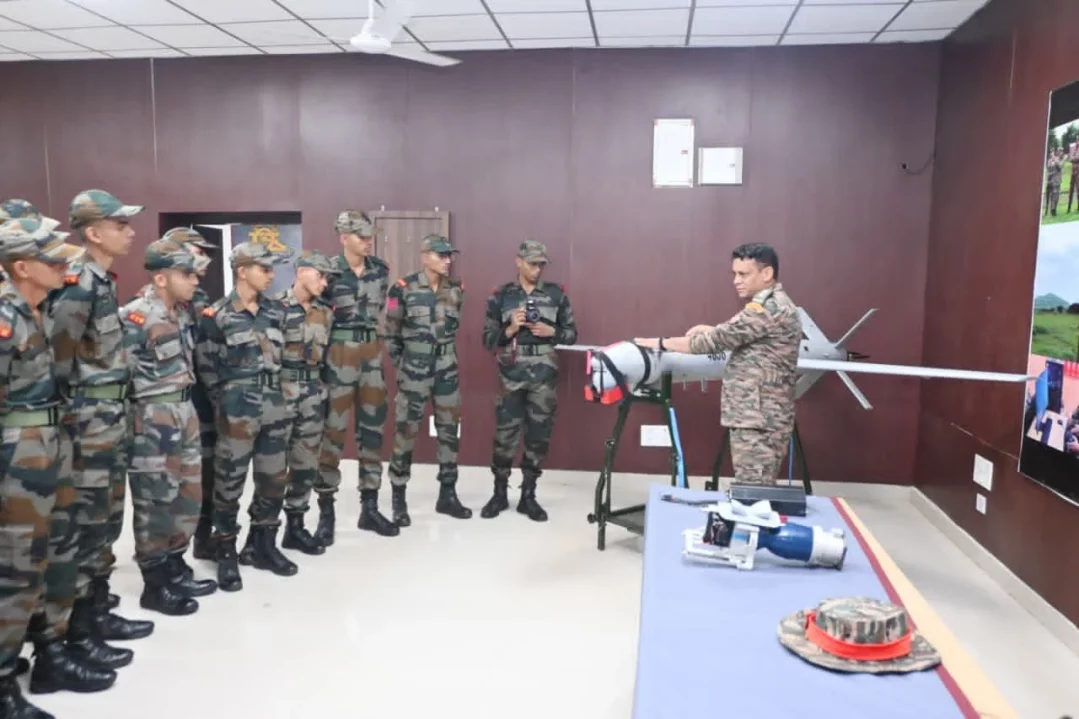
Artillery continues to be a central element of land warfare because it allows commanders to deliver concentrated firepower against targets at different ranges. In current operations, however, its effectiveness increasingly depends on surveillance, target acquisition, communication and fire-control systems that help ensure precision and speed in engagement.
One of the more notable aspects of the programme was the cadets’ exposure to niche drone warfare capabilities being developed within the Regiment of Artillery. Their introduction to these systems reflected the growing importance of unmanned platforms in contemporary battlefields and the increasing emphasis on specialised capabilities that can support conventional firepower.
Drones can be used for surveillance, reconnaissance and target-related tasks, and their expanding role in modern conflicts has prompted greater focus on integrating unmanned systems into regular military operations. For the cadets, this offered an early understanding of how such technologies are being incorporated into the artillery ecosystem.
The training exposure also underlined the way traditional artillery assets are being complemented by newer tools. Surveillance and unmanned systems, when combined with artillery, contribute to the broader process of identifying, tracking and engaging targets more effectively.
A key part of the visit was a live firing exercise at the School of Artillery. The officer cadets watched the firing demonstration first-hand, allowing them to observe how artillery fire is executed in practice and how a target is engaged through a coordinated sequence of actions.
The live firing added a practical dimension to the visit by connecting classroom learning with battlefield procedures. By watching the sequence unfold, the cadets were able to better appreciate the coordination and precision required to employ artillery systems effectively.
Such exposure is particularly useful for officer cadets undergoing technical and military training, since it shows how surveillance, target identification, fire planning, communication and weapon employment come together in an operational setting. The visit therefore served as more than a demonstration of equipment; it illustrated the wider chain that enables artillery to function as part of a larger combat system.
The programme also complemented the technical orientation of training at MCEME. As future military officers, the cadets’ exposure to another arm of the Army is meant to broaden their understanding of how specialised capabilities contribute to overall operational effectiveness.
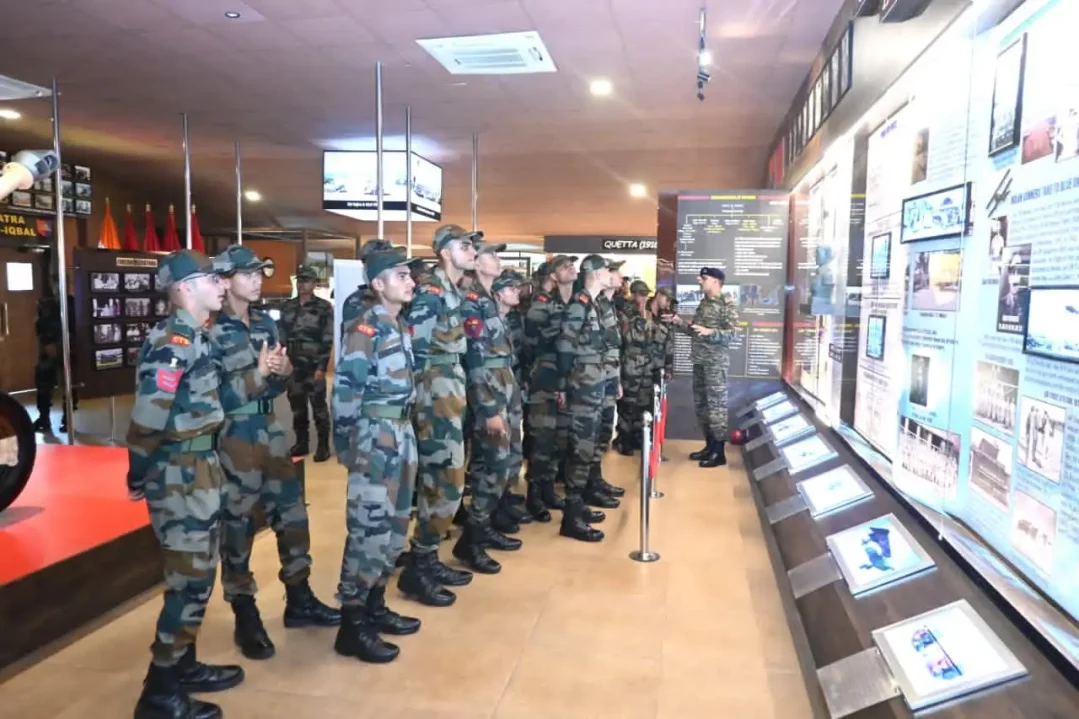
The School of Artillery is a premier Indian Army institution responsible for the training and professional development of artillery personnel. It provides specialised knowledge and practical exposure related to artillery systems and their employment, making it a key centre for the arm’s professional preparation.
The visit also reflected the broader changes taking place within the Regiment of Artillery as it adapts to the technological character of modern warfare. Alongside conventional guns, digital systems, surveillance platforms and unmanned technologies are increasingly forming part of the firepower framework used in operations.
For the cadets, the briefing on the latest in-service guns and surveillance systems offered an overview of both established artillery capabilities and newer developments that are shaping the arm’s future employment. The exposure to drone warfare capabilities added another layer to that understanding by highlighting the growing operational relevance of unmanned systems.
The live firing exercise reinforced those lessons by showing the practical application of artillery firepower against a target. It gave the cadets a clearer sense of the speed, coordination and accuracy needed in the employment of such systems.
Training visits of this kind are intended to supplement formal instruction with direct exposure to operational equipment and military procedures. They also give cadets the opportunity to interact with specialised institutions and understand the distinct professional roles performed by different arms of the Army.
In that sense, the September 16 visit brought together three important elements of contemporary artillery operations: modern weapon systems, surveillance and emerging drone warfare capabilities. The firing demonstration added the practical dimension by showing how those capabilities translate into the delivery of firepower on a target.
For the officer cadets of MCEME, the experience offered a detailed look at how the battlefield environment is changing and how traditional military capabilities are being integrated with advanced technologies. The visit to the School of Artillery thus served as a professional exposure programme that expanded their understanding of the Regiment of Artillery and its role in modern firepower.


