
Lt Gen HS Vandra Reviews Army Workshop, Healthcare Facilities in Prayagraj

Lieutenant General HS Vandra, General Officer Commanding of Madhya Bharat Area, visited the 508 Army Base Workshop and healthcare facilities in Prayagraj to review equipment sustainment, repair and overhaul capabilities, as well as the delivery of medical services and ongoing modernisation efforts.
The visit centred on two key pillars of military readiness: keeping Army equipment operational and ensuring that healthcare support remains effective for serving personnel, their families and veterans. Lt Gen Vandra examined the workshop’s efforts to maintain the availability of Army platforms and systems for operational requirements, and assessed the healthcare infrastructure being used to support the wider Army community in the region.
Equipment sustainment, repair and overhaul form a major part of the Army’s maintenance ecosystem. Base workshops such as the one in Prayagraj undertake technical work needed to keep military equipment serviceable, a task that becomes increasingly important as the Army inducts more complex platforms and systems. The availability of repaired and overhauled equipment directly affects operational readiness, since formations and units depend on serviceable assets to carry out their assigned tasks.
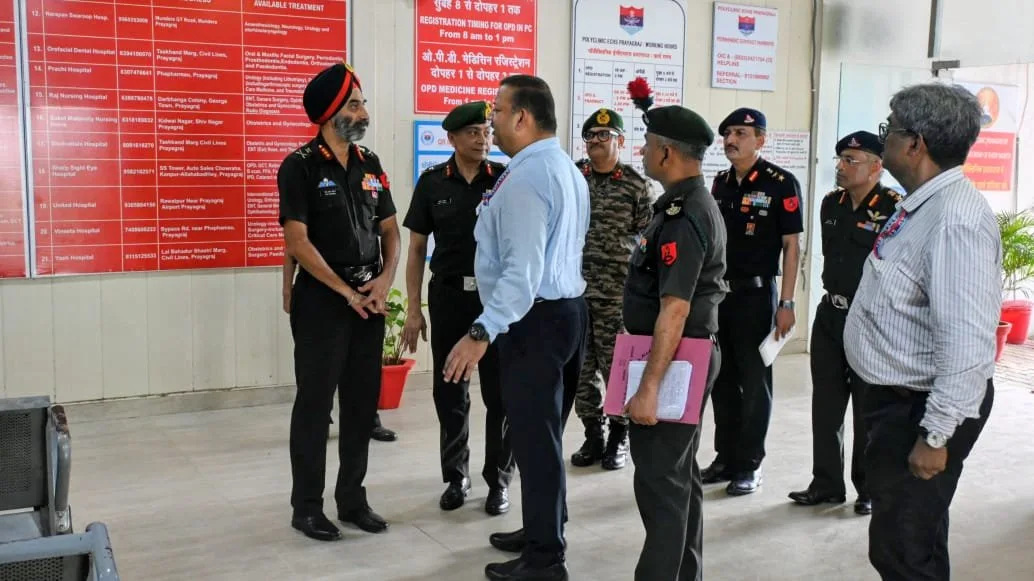
Alongside the workshop review, the GOC also inspected healthcare facilities in Prayagraj and looked at the ongoing initiatives aimed at improving service delivery. Military healthcare infrastructure is not only relevant to active personnel but also to families and veterans, making it an important part of the Army’s welfare framework.
During his interaction with troops and healthcare teams, Lt Gen Vandra highlighted innovation, self-reliance, digital transformation and continuous improvement as priorities. These were presented as practical enablers for improving both operational efficiency and the quality of healthcare services.
The emphasis on innovation comes at a time when technical organisations are expected to find new ways of sustaining equipment through its service life. As military systems become more sophisticated, maintenance units must adapt their processes and capabilities to meet changing requirements. The review at 508 Army Base Workshop therefore placed modernisation in the context of long-term equipment support, rather than as a standalone upgrade effort.
Self-reliance was another major theme of the visit. By strengthening indigenous capabilities in maintenance, repair and technical support, the Army can reduce dependence on external sources and improve its ability to sustain equipment internally. That approach is particularly important for organisations responsible for keeping platforms available for operational use over extended periods.
Digital transformation also featured prominently in the discussions. In military logistics and equipment management, digital systems can improve monitoring, information management and coordination across maintenance activities. Similar tools can also support more responsive and efficient healthcare delivery, making technology a shared enabler across both the workshop and medical domains.
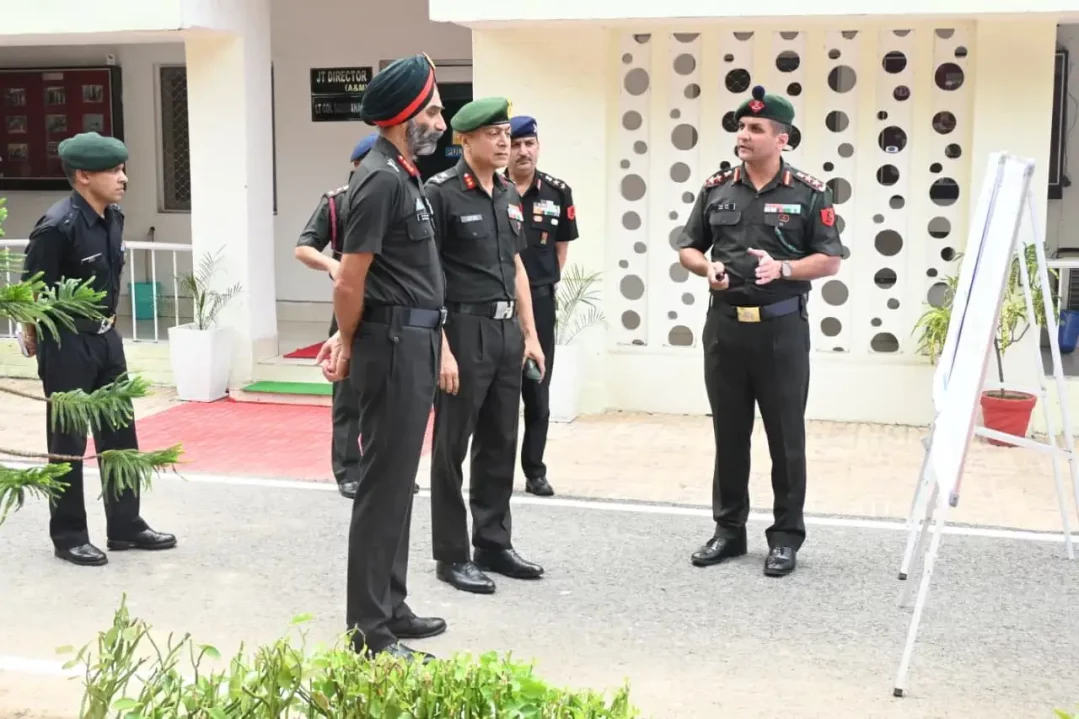
The interaction with troops gave Lt Gen Vandra an opportunity to see firsthand the work being carried out by personnel involved in equipment sustainment and related support functions. His engagement with healthcare teams similarly allowed him to review the human side of medical service delivery, including the staff responsible for maintaining care standards for the Army community.
The Prayagraj visit brought together two closely linked aspects of military preparedness. On one side was the technical side of readiness, where equipment must remain mission-capable through repair, overhaul and maintenance. On the other was personnel welfare, where healthcare services help ensure that soldiers and their families receive timely and responsive support. Both are essential to the Army’s overall resilience.
The review of modernisation initiatives at the 508 Army Base Workshop was also set against the wider need to keep repair and overhaul capabilities aligned with new equipment and evolving technology. For technical establishments, the challenge lies in sustaining existing assets while also adapting to changing maintenance requirements brought about by newer inductions into the Armed Forces.
Continuous improvement was repeatedly stressed during the visit. In a military setting, sustaining capability is not a one-time exercise but an ongoing process that requires regular assessment, innovation and refinement. That applies equally to technical support systems and to healthcare delivery, where responsiveness and quality of care remain central to effectiveness.
The GOC’s review of healthcare facilities also reflected the importance of maintaining services that are responsive to the needs of troops, their families and veterans. Healthcare infrastructure within military establishments is a key part of the support network that helps preserve both morale and readiness.
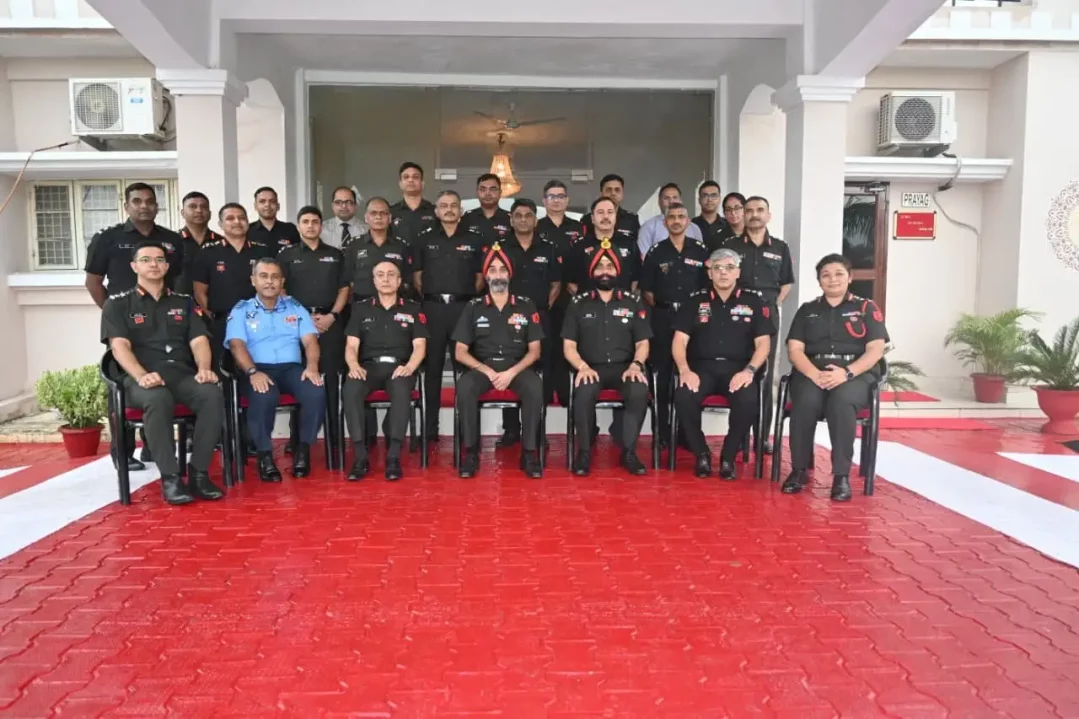
Madhya Bharat Area, which covers a range of Army formations, establishments and support infrastructure, relies on both equipment sustainment and personnel welfare as part of its operational responsibilities. The visit to Prayagraj allowed Lt Gen Vandra to assess these areas directly and review how they are being strengthened through ongoing initiatives.
The broader message of the visit was that modern military preparedness depends on more than frontline combat capability. Technological advances are shaping maintenance, logistics, healthcare and administrative systems as much as they are influencing battlefield platforms. For organisations such as the 508 Army Base Workshop, this means maintaining a balance between sustaining current equipment and adapting to newer technology and support requirements.
The visit also highlighted the central role of personnel in making modernisation meaningful. Infrastructure, equipment and digital systems can only deliver results when they are operated and managed by trained and committed teams. By speaking with troops and healthcare workers, Lt Gen Vandra underlined the importance of professional commitment across both operational support and welfare functions.
In reviewing the workshop and healthcare facilities together, the GOC placed mission readiness and welfare within the same framework. The Army’s ability to remain effective depends on a support system that keeps equipment serviceable while also ensuring that its people receive quality care. The Prayagraj visit reflected that integrated approach to strengthening capability and supporting the Army community.


