
Maj Gen Vinod Kumar Patra Reviews Medical Readiness at Shahjahanpur, Stresses Golden Hour Response

Major General Vinod Kumar Patra, MG Med, Uttar Bharat Area, reviewed medical preparedness at the Section Hospital and ECHS Polyclinic in Shahjahanpur, stressing the need for troops and medical personnel to be ready to deliver rapid and effective care in emergencies, particularly in operational and battlefield conditions.
The review centred on one of the most critical aspects of combat medical support: the ability to intervene immediately after an injury. During the visit, attention was drawn to the fact that the first few minutes after a casualty is sustained can be decisive for survival and recovery, making early response capacity a core element of operational preparedness.
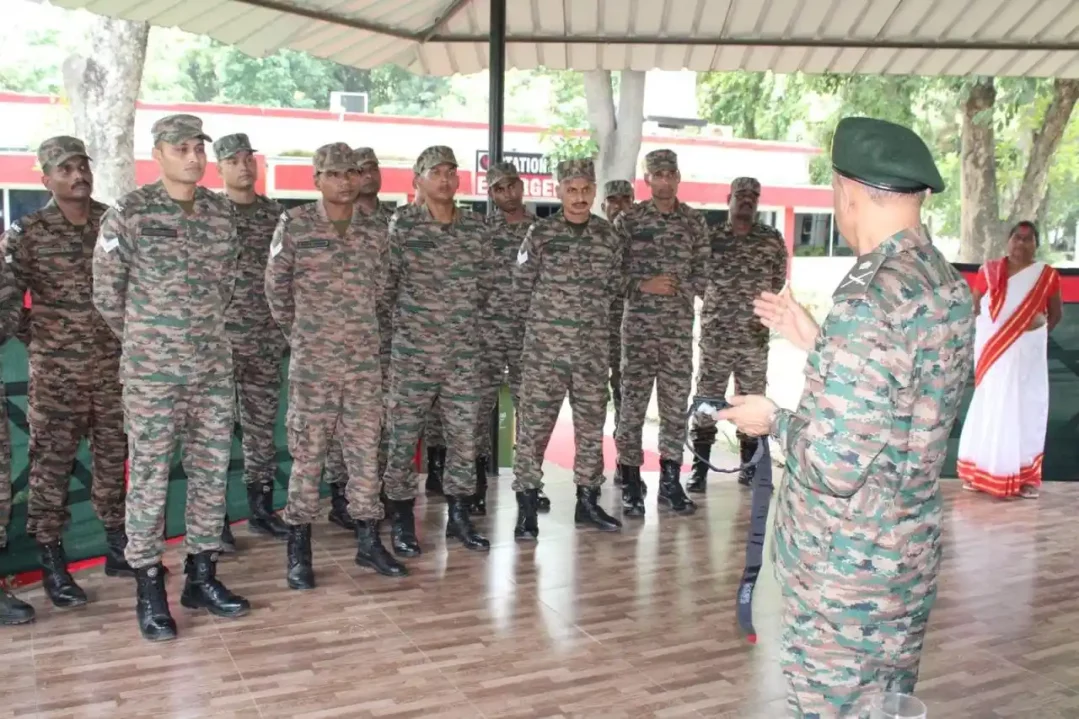
Maj Gen Patra highlighted the importance of maintaining proficiency in Basic Life Support (BLS), Yodha Rakshak skills and Bachaav protocols. These competencies are intended to ensure that trained personnel can provide a timely first response, stabilise the injured and sustain casualty care until the patient reaches more advanced medical facilities.
A key theme of the inspection was the need to minimise delays in casualty management. In combat settings, evacuation timelines and access to higher medical centres may be affected by terrain, operational pressures or the tactical situation. In such circumstances, properly trained first responders become vital in preserving life during the crucial initial phase after injury.
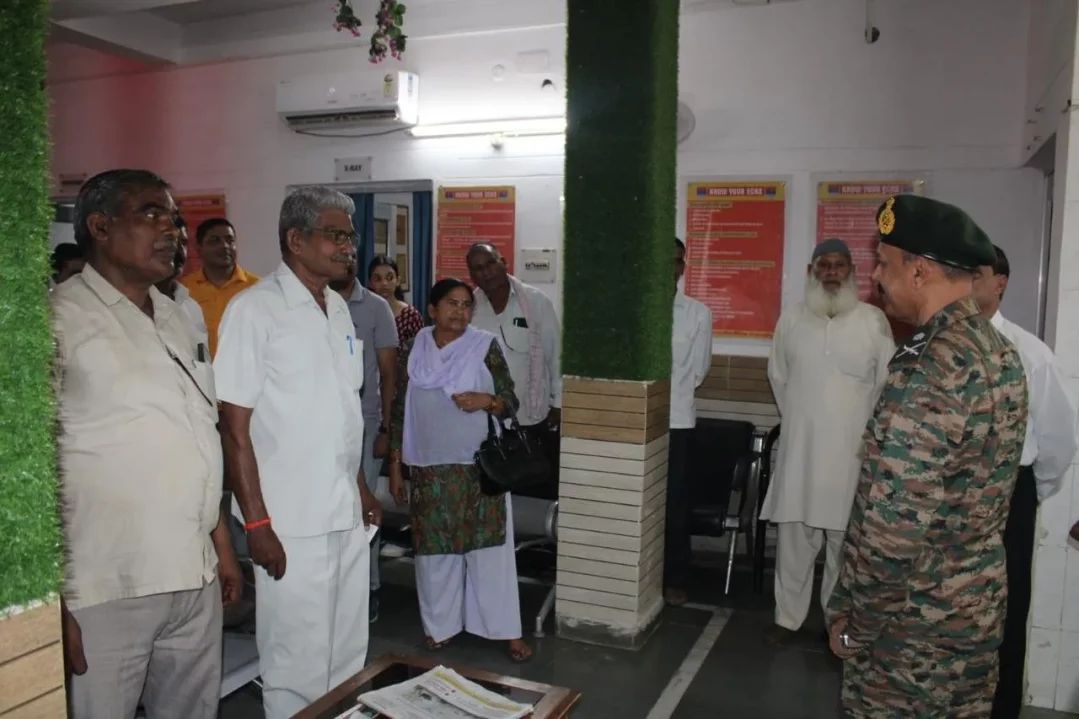
Particular emphasis was placed on the concept of the Golden Hour, the period in which rapid assessment, first aid, stabilisation and evacuation can significantly improve outcomes for seriously injured personnel. The review reinforced that military medical readiness depends not only on hospitals and equipment, but also on the ability of personnel on the ground to act without delay.
The focus on Yodha Rakshak training also reflects the Indian Army’s wider push to build basic battlefield lifesaving capability among soldiers and other personnel. By equipping troops with practical medical skills, the Army seeks to bridge the gap between the moment an injury occurs and the arrival of specialised medical support.
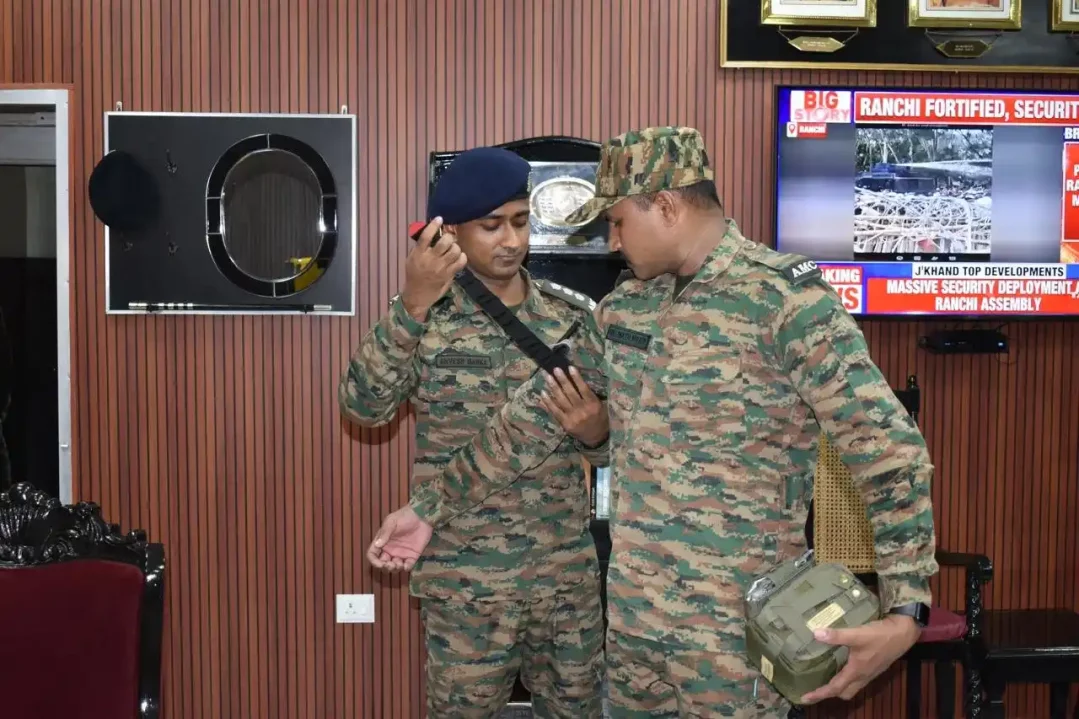
The Shahjahanpur visit also underlined the importance of keeping military healthcare establishments prepared for a wide range of emergencies. Continuous training, refresher programmes and strict adherence to established casualty-management protocols were identified as central to sustaining that readiness.
The review conveyed a broader operational message: medical readiness is inseparable from military preparedness. From the first response at the point of injury to evacuation and further treatment, each link in the casualty-care chain depends on speed, coordination and professional competence.
By placing renewed attention on BLS, Yodha Rakshak skills and Bachaav protocols, the inspection reinforced the Army’s objective of ensuring that soldiers and medical teams are prepared to respond immediately when lives are at risk, while strengthening overall operational effectiveness in demanding environments.


