
Madhya Bharat Area Conducts Discharge Drill for 177 Army Personnel Before Civilian Transition

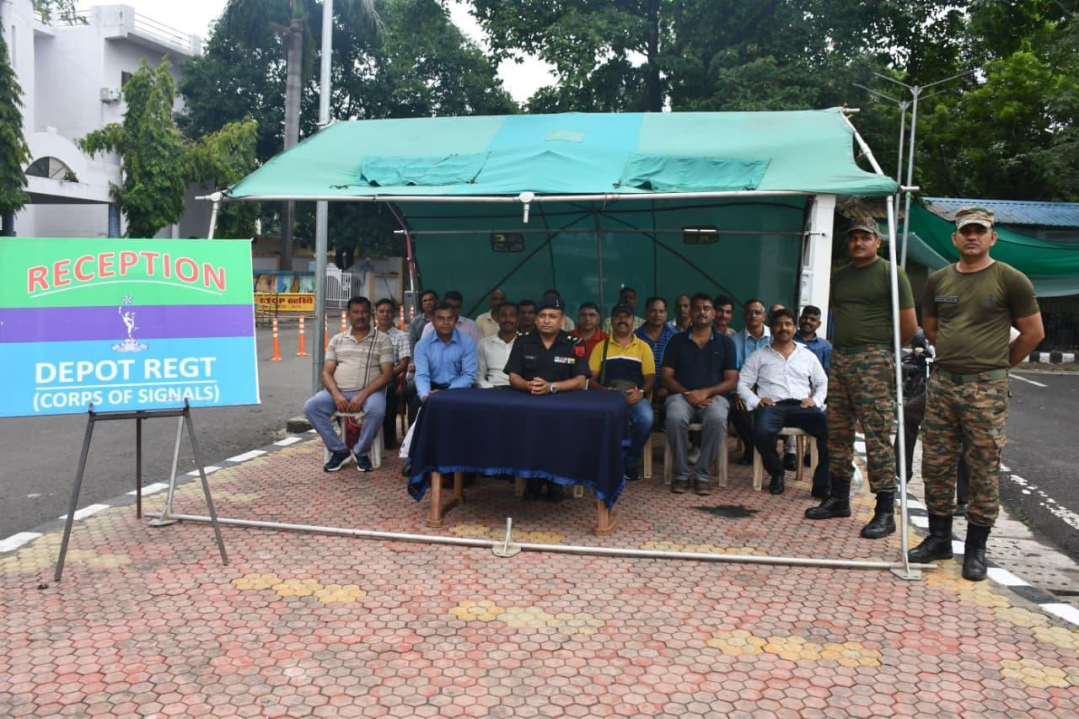
Headquarters Madhya Bharat Area is conducting a coordinated discharge drill for 177 Indian Army personnel at the Depot Regiment, Corps of Signals, in an effort to support their transition from active service to civilian life. The exercise brings together 68 Junior Commissioned Officers (JCOs) and 109 Other Ranks (ORs) who have reported for the discharge process as they prepare to enter the veteran community.
Organised under the aegis of Headquarters Madhya Bharat Area, the programme is designed not merely as an administrative discharge formality but as a broader welfare measure. Its purpose is to familiarise retiring soldiers with the documentation, financial procedures, welfare provisions, entitlements and responsibilities that become important once uniformed service ends.
The initiative is framed around the idea of “Serving the Served”, reflecting the Army’s view that its responsibility towards personnel continues even as they leave active duty. For soldiers who have spent years in a structured military environment, retirement is not simply a change in employment status; it involves adjusting to new administrative systems, different financial routines and a very different social and professional setting.
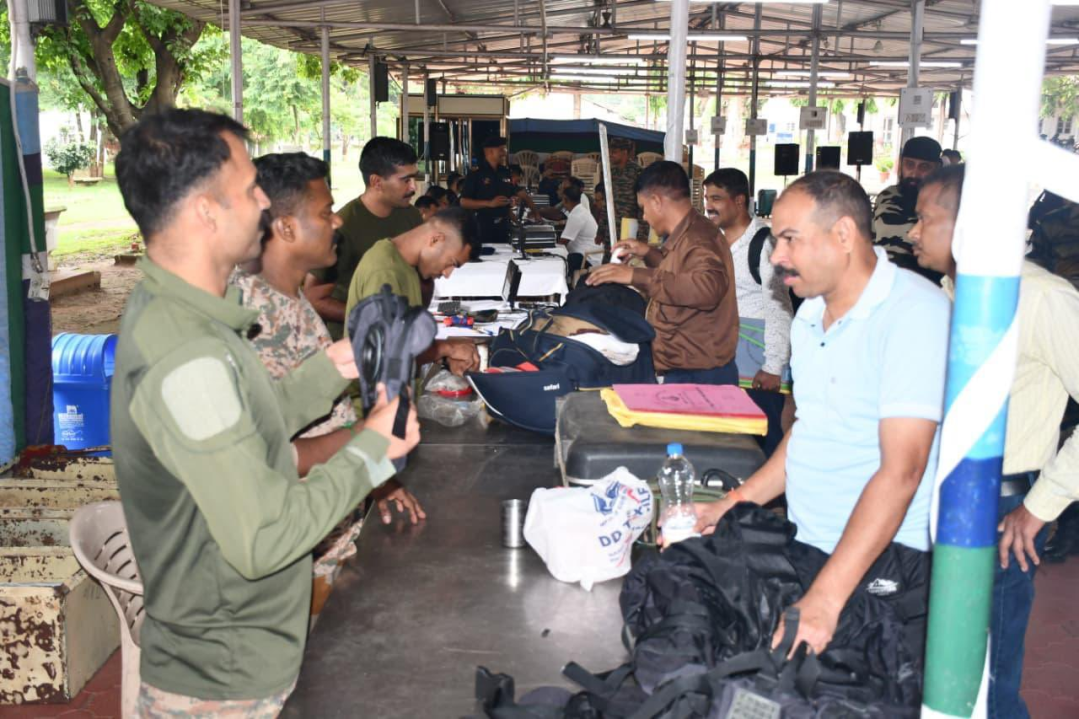
A central part of the discharge drill is the scrutiny of records and personal documentation. Personnel are being taken through sessions focused on documentation and personal data verification so that discrepancies, if any, can be identified and corrected before discharge is completed. This step is particularly important because service records and personal details can directly affect later administrative procedures and access to benefits available after retirement.
The programme also covers Pay and Allowances, an area that often becomes critical during the move out of service. Transitioning from the Army’s structured pay system into retirement or civilian employment can raise several financial and procedural questions. By addressing these issues before discharge, the Army aims to ensure that personnel understand the relevant processes and are better prepared to manage their post-service financial affairs.
Veterans’ welfare is another major component of the exercise. Once they leave active duty, retiring soldiers begin a new phase of their association with the Armed Forces as veterans. The discharge drill is therefore intended to acquaint them in advance with the welfare mechanisms and institutional support available to them, reducing uncertainty and making it easier to seek assistance when required.
The programme also includes social media awareness, highlighting how discharge and retirement preparation within the military has expanded beyond paperwork and financial settlement. Serving personnel operate under clearly defined rules related to communication, information security and the use of digital platforms. Even after retirement, veterans may continue to possess knowledge or experience linked to military organisations, procedures and operations, making responsible online conduct an important issue.
Accordingly, the sessions seek to reinforce awareness about protecting personal information and maintaining discretion in relation to service-related matters. The inclusion of this subject reflects the changing information environment, in which digital behaviour has become an important aspect of post-service readiness alongside traditional discharge procedures.
The scale of the current drill also draws attention to the importance of well-structured transition mechanisms. The 177 personnel undergoing the process do not represent a uniform group in terms of future needs; each individual leaves service with different family responsibilities, financial priorities and plans for the next phase of life. Timely guidance on records, documentation, entitlements and welfare support can therefore help prevent avoidable problems later.
This is particularly relevant in the case of JCOs and ORs, who form a substantial part of the Indian Army’s organisational structure. JCOs often function as a crucial link between commissioned officers and troops, carrying significant responsibilities in leadership, training, discipline and administration. Other Ranks, meanwhile, perform a wide range of combat, technical and support functions across the Army. Their transition out of service is therefore not only an administrative event but also the closing of careers built around operational, technical and institutional responsibility.
For many of those retiring, years in uniform also mean considerable experience in areas such as leadership, logistics, administration, communications, training, technology and personnel management. Such professional capabilities can remain valuable well beyond military service, including in employment, entrepreneurship and other productive avenues in civilian life. Programmes of this kind are intended to help bridge those two worlds by ensuring that personnel leave service with clarity about the systems that will shape their next stage.
The location of the discharge drill is also notable. The personnel have reported to the Depot Regiment of the Corps of Signals, the Indian Army’s combat-support arm responsible for military communications. The Corps has evolved in step with major changes in communications, networking and information systems, making it an important part of the Army’s overall operational framework.
Beyond the practical aspects of retirement, an organised discharge process can also provide reassurance at a personal level. Military life is defined by structure, camaraderie and a strong collective identity. Leaving that environment after years or decades of service can be a major shift, both professionally and psychologically. A structured programme that explains rights, responsibilities and support systems can help retiring personnel approach civilian life with greater confidence.
Seen in that context, the Madhya Bharat Area initiative is intended to be more than the formal end of military service. By bringing together personal data verification, documentation, Pay and Allowances, veterans’ welfare and social media awareness within a single coordinated framework, it seeks to ensure that personnel leave active duty informed and prepared.
For the 68 JCOs and 109 ORs currently undergoing the drill, the exercise marks both the conclusion of one chapter and preparation for another. They may soon cease to be serving soldiers, but their relationship with the Armed Forces and the wider veteran ecosystem will continue. The programme is aimed at ensuring that this transition takes place with dignity, clarity and a better understanding of the support available after service.
In that sense, “Serving the Served” is not only the theme of the initiative but also the principle behind it: that those who have spent their careers in uniform should receive the guidance necessary to begin the next phase of life with confidence.


