
Lt Gen Pratik Sharma Reviews Northern Command Troops’ Operational Readiness in Ladakh

Lieutenant General Pratik Sharma, Army Commander of Northern Command, visited forward locations in Ladakh to assess the operational preparedness of troops deployed in one of the Army’s most demanding high-altitude environments.
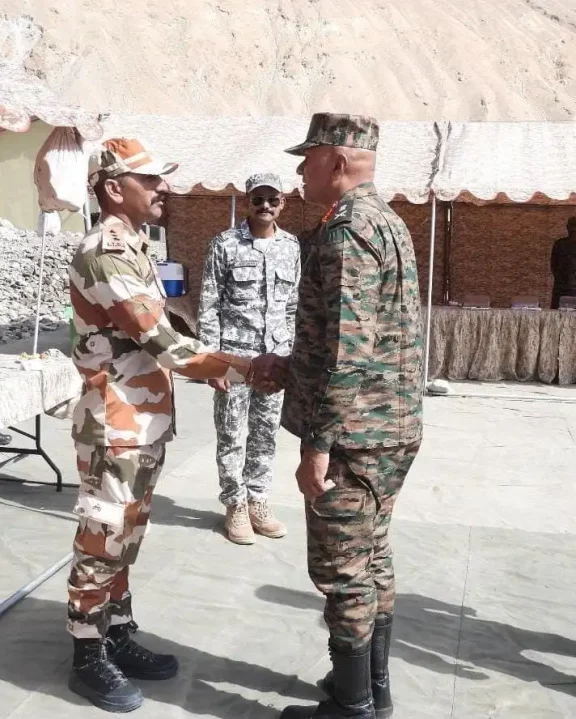
During the visit, Lt Gen Sharma interacted with personnel at the forward posts and reviewed how ready they were to carry out their operational responsibilities amid the terrain and weather conditions that define the region. The interaction gave him an opportunity to gauge both the preparedness and morale of troops serving in strategically important areas.
He praised all ranks for what he described as exemplary professionalism, high morale, unwavering vigilance and steadfast commitment to duty. Lt Gen Sharma also acknowledged the manner in which soldiers continue to discharge their responsibilities despite the strain imposed by high-altitude terrain and severe weather.
The Army Commander stressed that sustaining operational readiness in such conditions requires physical robustness, mental resilience, discipline and continuous training. He underlined the need to maintain high fitness standards and to ensure that training remains regular and realistic so that troops can respond effectively to changing operational requirements.
He also drew attention to the growing role of innovation and technology in military effectiveness. According to Lt Gen Sharma, technology capability must continue to improve and innovative approaches should be incorporated into operational preparedness so that troops remain mission-ready across multiple domains.
That emphasis reflects the changing character of modern military operations, where traditional soldiering skills increasingly function alongside technology-enabled systems and contemporary operational concepts. In forward areas such as Ladakh, the combination of training, human endurance, innovation and technological capability remains central to maintaining effectiveness.
The Army Commander also highlighted the value of synergy among personnel and formations. Greater coordination and integration, he noted, help military units function more effectively and ensure that capabilities are used in a complementary manner. Such cohesion is especially important in demanding operational environments where preparedness, responsiveness and coordination are critical.
Discipline, too, formed a key part of his message. Along with physical fitness and regular training, disciplined conduct provides the foundation for maintaining professional standards and keeping troops ready to meet operational challenges.
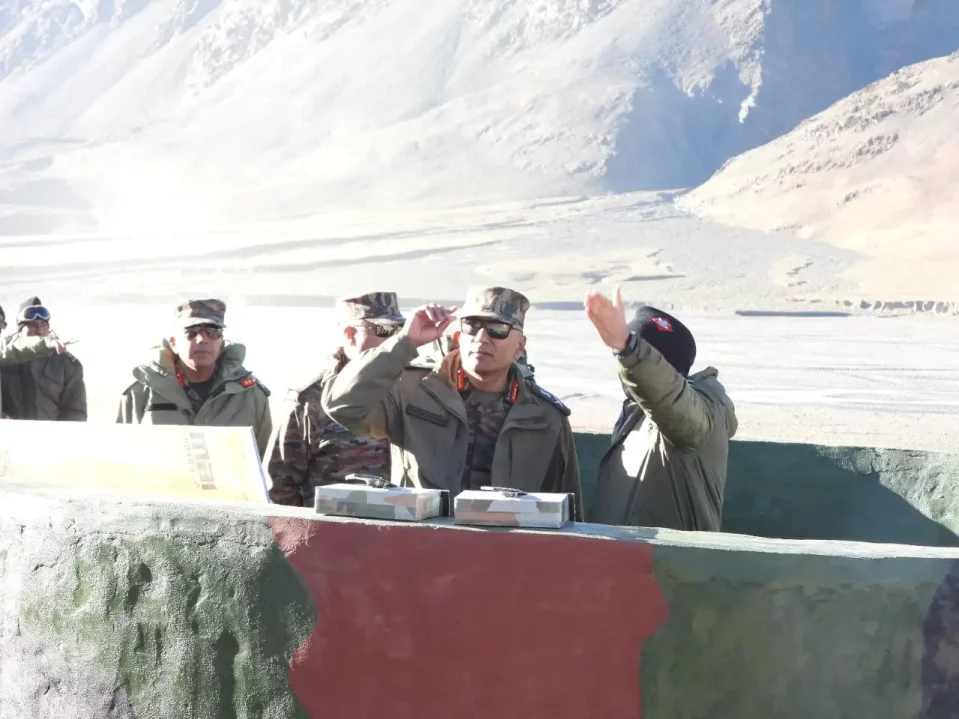
Ladakh’s high-altitude environment poses distinct challenges for deployed personnel. Long-term service in such conditions demands physical conditioning, mental resilience and constant vigilance. Lt Gen Sharma’s visit therefore also served to reinforce the importance of these qualities as part of the broader effort to sustain operational readiness.
His interaction with the troops also recognised the contribution of personnel serving at forward locations. By commending their professionalism and commitment, the Army Commander highlighted the dedication of soldiers who continue to perform their duties in difficult conditions.
Lt Gen Sharma called on all ranks to maintain the highest standards of professionalism and continue striving for excellence in every sphere. His message combined the traditional pillars of military preparedness — discipline, fitness, training and vigilance — with a renewed focus on innovation, synergy and technology capability.
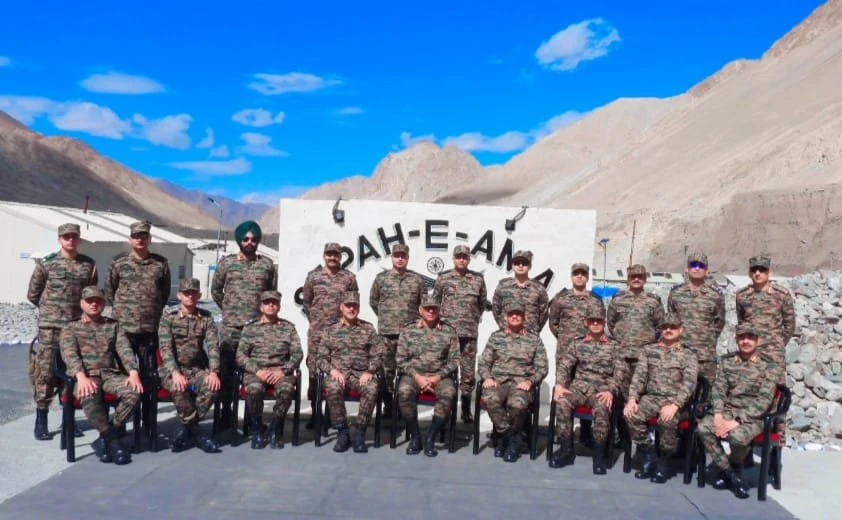
The visit reflected Northern Command’s continuing focus on maintaining a high level of operational preparedness among troops deployed in high-altitude areas. By combining trained manpower with technological advancement, innovation and effective coordination, the Army aims to ensure that its personnel remain capable of meeting operational requirements across domains.
Lt Gen Pratik Sharma’s visit to forward locations in Ladakh thus placed the soldier at the centre of operational readiness while also pointing to the need for continued adaptation to the changing nature of warfare. His interaction with the troops carried a clear message: sustained excellence depends on discipline and fitness, constant training, technological advancement, innovation and synergy, all directed towards keeping the force mission-ready.


