
Lt Gen Neeraj Shukla Reviews Gajraj Corps Operational Readiness at Hattigor

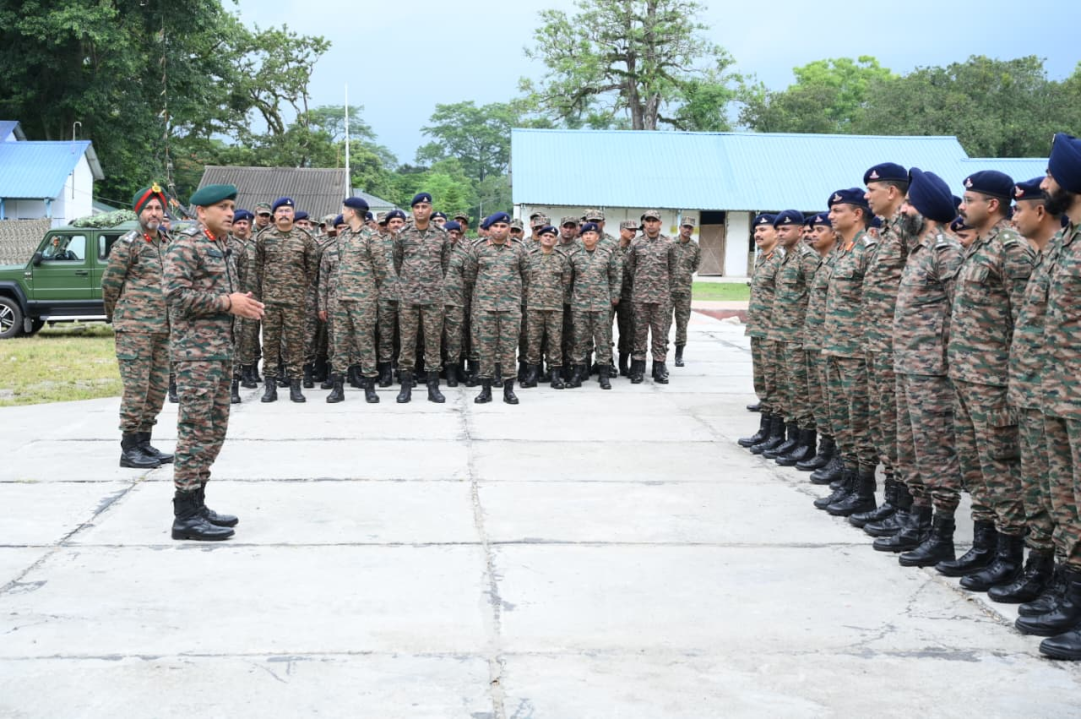
Lieutenant General Neeraj Shukla, General Officer Commanding of the Indian Army’s Gajraj Corps, visited troops at Hattigor to review operational readiness and assess ongoing capability-building efforts within formations under his command.
The visit focused on how the corps is strengthening its field preparedness through a combination of training, technology infusion and local innovation. Lt Gen Shukla interacted with officers and soldiers at length, reviewing the measures being taken to improve the formation’s operational effectiveness and its ability to respond to evolving battlefield requirements.
During the interaction, the Corps Commander praised the troops for their high morale, motivation, professional commitment and training standards. He appreciated the dedication shown by personnel and their efforts to maintain a high degree of readiness for operational duties.
A key theme of the visit was the growing importance of technology in military operations. The Army is increasingly encouraging formations to combine conventional combat skills with surveillance tools, communications systems, unmanned platforms, digital technologies and other force multipliers that can improve performance in complex operating environments.
Lt Gen Shukla appreciated the initiatives being taken to integrate technology into operational planning and execution. According to the source article, such capability-building measures are intended to improve situational awareness, responsiveness and overall effectiveness for troops working in increasingly demanding battlefield conditions.
The visit also highlighted the Indian Army’s broader push to encourage innovation at the formation level. Field units are being asked to identify practical operational challenges and develop solutions that can strengthen mobility, surveillance, communications, protection, logistics and battlefield effectiveness.
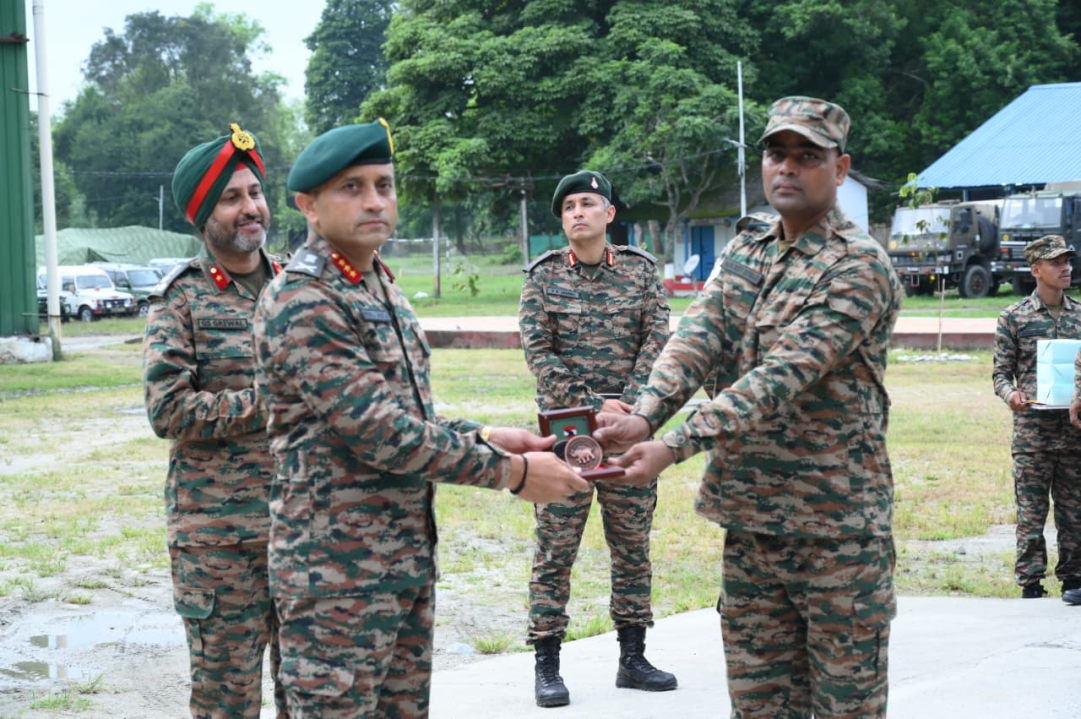
At the same time, the Corps Commander stressed that technological capability must be matched by strong soldiering skills. He urged all ranks to maintain excellent physical fitness, mental resilience and professional competence, underlining that the modern soldier must be prepared not only with equipment but also with discipline and endurance.
Physical fitness remains central to military preparedness, especially for troops required to operate for long periods in difficult field conditions. Mental resilience is equally important, given the pressures of prolonged deployments and rapidly changing operational situations.
Lt Gen Shukla also placed considerable emphasis on cyber awareness. As military organisations become more dependent on digital communications and networked systems, cybersecurity has become an essential part of operational security.
The source article notes that personnel can be vulnerable to phishing, social engineering and other digital threats, making awareness on these issues important for safeguarding both personal and sensitive military information.
He further highlighted the need for responsible social media use and careful handling of smartphones. With the widespread use of mobile devices and online platforms, militaries face new security risks that did not exist in earlier eras.
Even routine online activity can inadvertently reveal photographs, videos, location details or other information that may expose deployments, equipment movements or personnel positions. The article says such digital behaviour has become an important aspect of operational security and military discipline.
That focus on smartphone and social media discipline reflects the wider reality of security in the digital age, where information can be transmitted instantly and exploited by adversaries for intelligence purposes. Cyber hygiene, careful use of personal devices and adherence to established social media guidelines therefore complement traditional security measures.
The Gajraj Corps occupies an important place in the Indian Army’s operational structure and is responsible for maintaining preparedness in a strategically significant region. Its formations continue to train across varied terrain while also pursuing capability enhancement to remain ready for present and emerging tasks.
Senior commanders’ visits to field formations serve multiple purposes: they allow direct assessment of readiness, provide a chance to interact with personnel at different levels and enable review of training, technology induction and locally developed innovations. The Hattigor visit served all of these functions.
Lt Gen Shukla’s engagement with the troops brought together the main elements of contemporary military preparedness — training, combat readiness, physical fitness, mental resilience, technological adaptation and digital security. The message, reflected in the phrase “Strength in Preparedness, Excellence in Action,” was that modern equipment and emerging technologies are important, but disciplined soldiers and professional competence remain the foundation of battlefield effectiveness.
The Corps Commander concluded by encouraging all ranks to keep striving for the highest standards of professionalism and operational excellence. His visit reinforced the Gajraj Corps’ continued focus on readiness, innovation and capability enhancement as it prepares for current and future operational challenges.


