Lt Gen N. S. Raja Subramani: Key Aspects of India's New Chief of Defence Staff

Lieutenant General N. S. Raja Subramani, PVSM, AVSM, SM, VSM (Retd), has emerged as a key figure in India's military history. Commissioned into the 8th Battalion of The Garhwal Rifles on December 14, 1985, he retired on July 31, 2025, after a distinguished 39-year career. On May 9, 2026, he was appointed as the third Chief of Defence Staff (CDS) by the Government of India, with his term beginning on May 31, 2026. He will also serve as Secretary in the Department of Military Affairs, taking over from General Anil Chauhan.
His career progression—from a junior officer in the Garhwal Rifles to the pinnacle of India's integrated defence framework—reflects a dedication to intellectual growth, operational expertise, and the country's safety. The following five insights highlight the attributes that make his journey an inspiring example for both the military and the nation.
1. Bridging Military Tradition with Strategic Scholarship
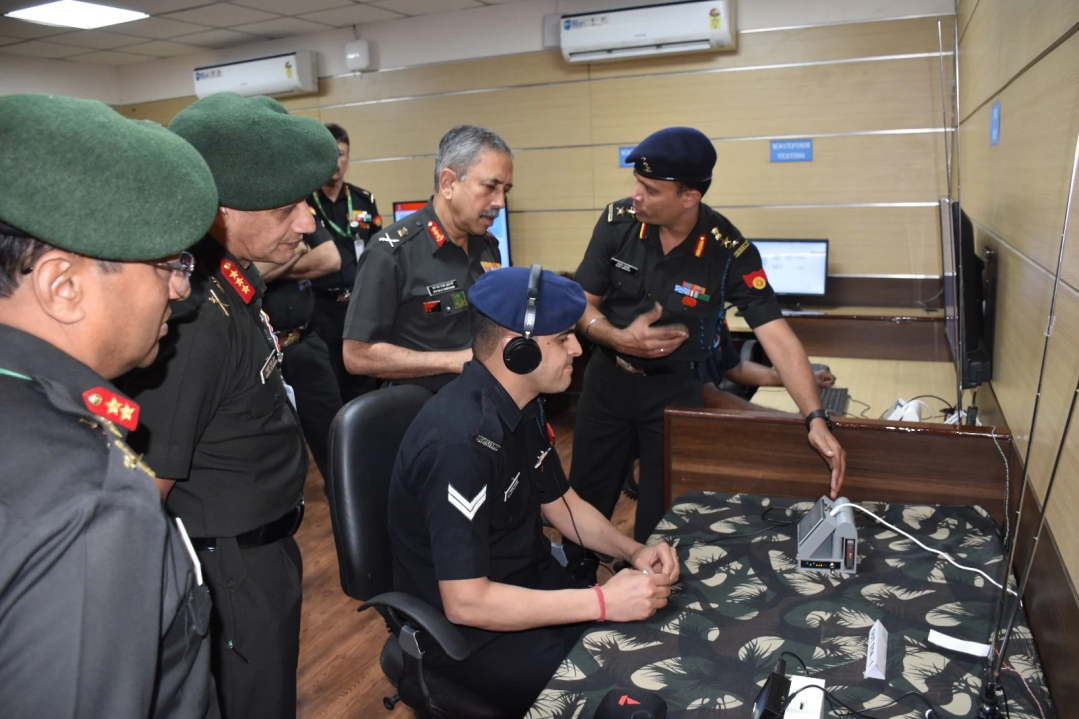
Lieutenant General Subramani embodies a unique blend of leadership on the battlefield and academic pursuit. A graduate of the National Defence Academy's 67th Course and the Indian Military Academy's 77th Course, he furthered his strategic knowledge at the Joint Services Command and Staff College in the UK and the National Defence College in New Delhi. He has a Master of Arts degree from King’s College London and an M.Phil. in Defence Studies from the University of Madras.
This dedication to education has been integral to his operational roles and policy-making efforts. His advanced studies provided him with insights into global security issues, which he applied during key assignments, such as his role as Defence Attaché in Kazakhstan and Deputy Director General of Military Intelligence. In a time when warfare is evolving, his academic background has allowed him to foresee threats and push for capability advancements. His example encourages officers to see continuous learning as essential to professional success.
2. Commanding Across Diverse Operational Theatres
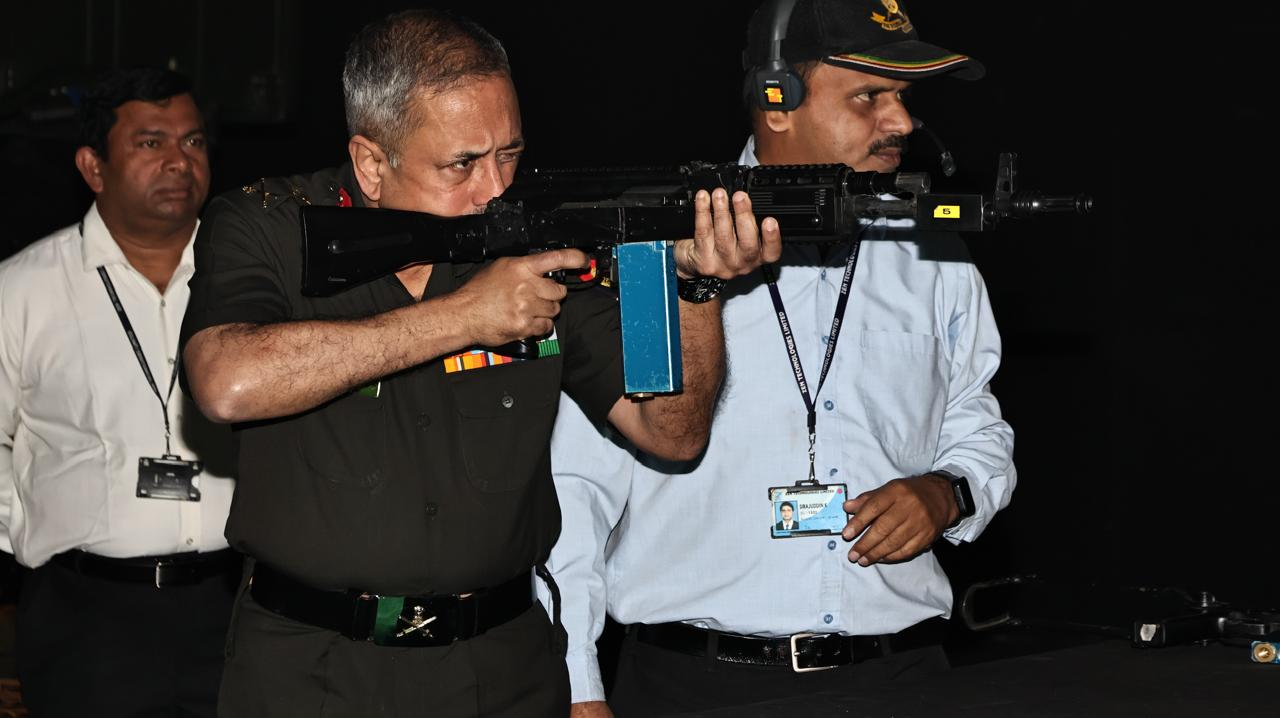
Subramani's command experience spans a wide range of conflict situations. During his tenure as a battalion commander, he led the 16 Garhwal Rifles in Assam's counter-insurgency operations under Operation Rhino, earning the Sena Medal for his leadership. He later commanded the 168 Infantry Brigade on the Pakistan border and the 17th Mountain Division in the Central Sector's challenging conditions.
As a Lieutenant General, he led the Uttar Bharat Area and the II Corps (Kharga Corps), a top strike formation on the Western Front. His leadership of the Central Command highlighted his ability to coordinate multi-domain operations. This varied command experience has given him a comprehensive understanding of India's security challenges, showing that true leadership involves mastering all facets of warfare.
3. Recognized for Distinguished Service
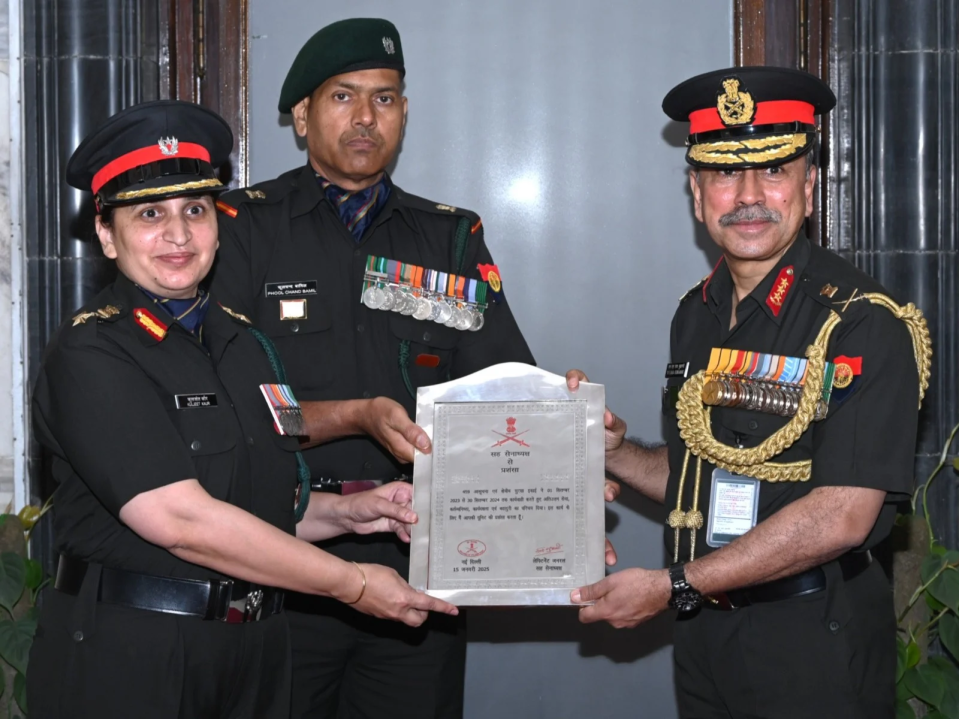
Throughout his career, Lieutenant General Subramani has been honored with several awards, including the Param Vishisht Seva Medal (PVSM) in 2024, the Ati Vishisht Seva Medal (AVSM) on January 26, 2020, the Sena Medal, and the Vishisht Seva Medal, along with various campaign and service medals like the Siachen Glacier Medal and Operation Parakram Medal.
These accolades represent his sustained excellence and not just isolated acts of bravery. They correspond to times of significant responsibility—leading battalions in active operations, shaping military intelligence and planning, and senior leadership during critical national security events. His awards are a testament to a career marked by integrity, competence, and contributions to operational readiness, demonstrating that lasting recognition comes from sustained merit.
4. Transition from Commander to Defence Policy Architect
Following his retirement as the 47th Vice Chief of the Army Staff on July 31, 2025, Subramani continued to serve as Military Adviser to the National Security Council Secretariat starting September 1, 2025. In this role, he provided vital insights into force planning, operational readiness, and inter-service coordination. His appointment as Chief of Defence Staff on May 9, 2026, is a testament to his mastery of both tactical and strategic defence dimensions.
This transition—from leading troops in the field to influencing national military policy—underscores his adaptability and foresight. As CDS, he will lead the integration of the three services and oversee the Department of Military Affairs, requiring both battlefield experience and a deep understanding of policy and geopolitics. His path provides assurance that India's top defence leadership is guided by years of operational insight.
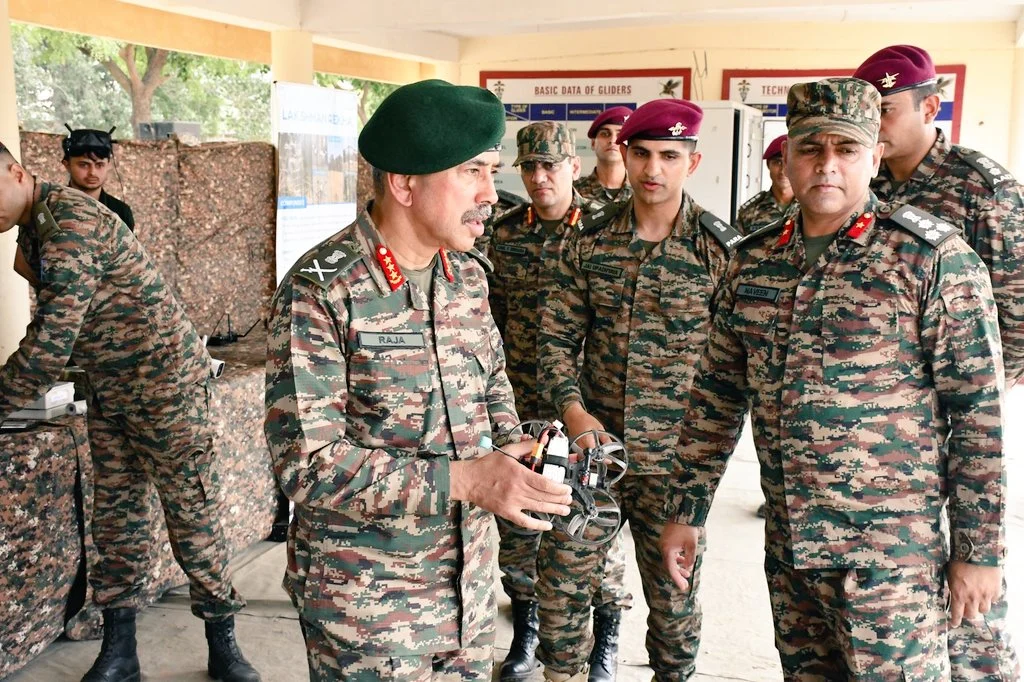
5. Nearly Four Decades of Commitment to National Security
The most remarkable aspect of Lieutenant General Subramani’s career is his enduring commitment. From his commissioning in December 1985 to his retirement in July 2025, and through to his roles post-retirement, he has consistently served the nation. Even after retirement, he took on the demanding role of Military Adviser to the NSCS before being appointed as CDS.
His 39 years of active service involved postings across major commands and theatres, reflecting a deep sense of duty that surpasses personal or career goals. His colleagues and subordinates frequently mention his calm professionalism, intellectual depth, and genuine concern for troops' welfare. At a time when institutional loyalty is often questioned, his career stands as a reminder that sustained, selfless service is the highest form of patriotism.
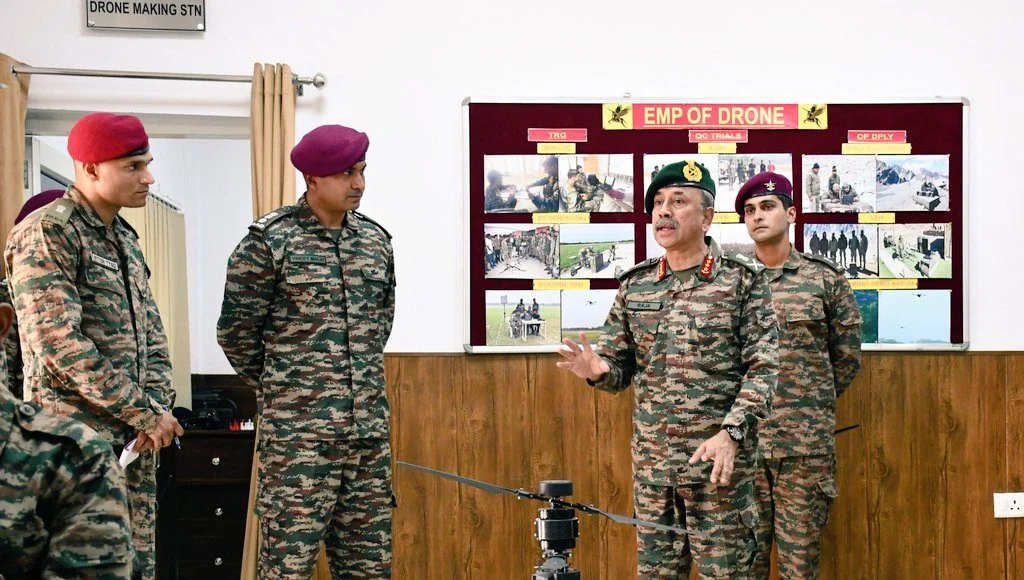
A Legacy of Leadership for a New Era
Lieutenant General N. S. Raja Subramani’s new role as India’s Chief of Defence Staff represents not just a leadership change but the reinforcement of a model of military excellence. His combination of battlefield courage with strategic insight, operational versatility with institutional loyalty, and humility with national vision sets a standard. As he takes office on May 31, 2026, the nation anticipates his continued efforts to strengthen the armed forces' integration amid a challenging security landscape.
These five key aspects—academic rigor, versatile command, distinguished service recognition, strategic transition, and lifelong dedication—together portray a leader whose career will continue to inspire future officers. In Subramani, India gains not only a capable CDS but a representation of the values that have upheld the Indian Army for nearly eight decades: honor, courage, and selfless service.