
Lt Gen Madanraj Pande Reviews Fire and Fury Corps Readiness in Ladakh Forward Areas

Lieutenant General Madanraj Pande, General Officer Commanding of the Indian Army’s Fire and Fury Corps, visited the Trishul Division and forward areas in Ladakh to assess the operational preparedness and combat readiness of formations deployed in one of the Army’s most demanding high-altitude sectors.
The visit centred on a ground-level review of how troops are performing in an environment defined by extreme altitude, harsh weather and difficult terrain. In Ladakh, military formations must remain ready for action while also coping with the logistical, mobility and sustainability challenges that come with operating at high elevations and in severe climatic conditions.
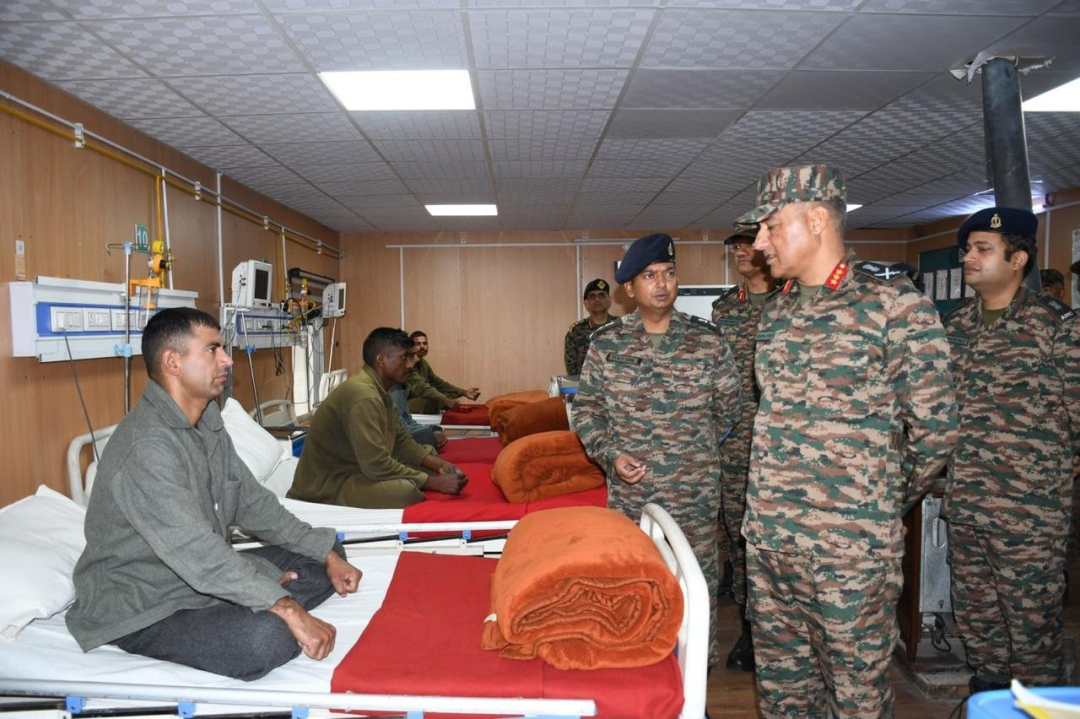
Lt Gen Pande interacted with troops in the forward areas and received updates on the prevailing operational situation, the readiness of formations and the measures being taken to further strengthen their capabilities. The interaction also gave him an opportunity to examine how equipment and operational practices are being used at the field level.
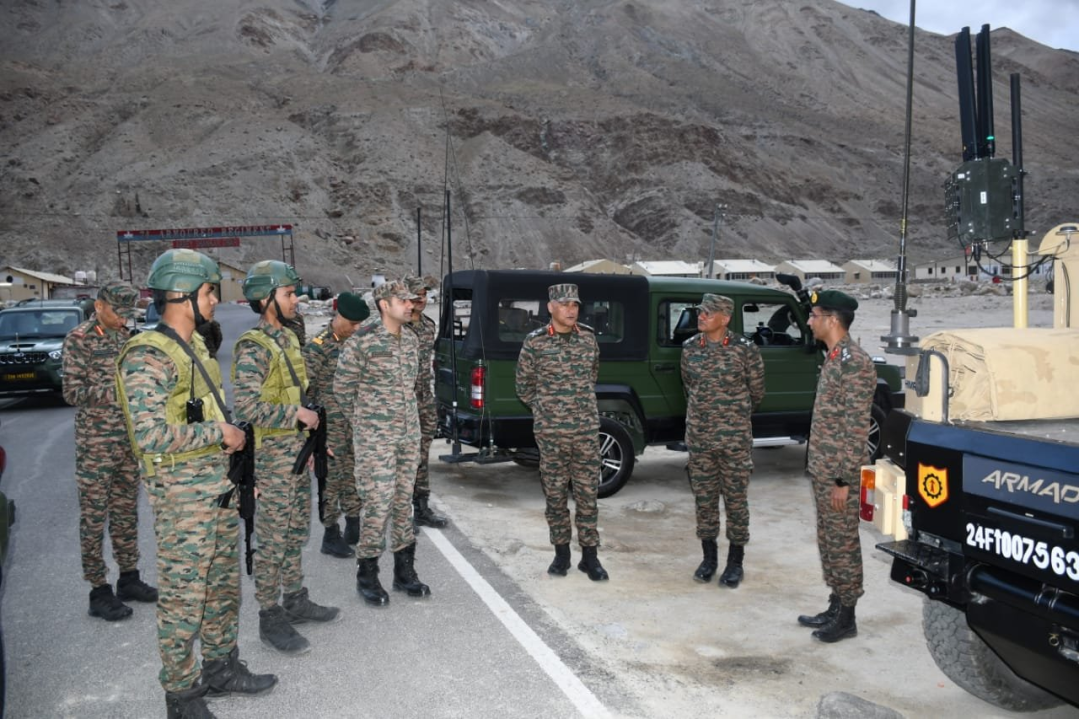
A key part of the review was the induction and employment of New Generation Equipment, or NGE, in formations deployed in Ladakh. The Corps Commander assessed how these systems are contributing to improved operational capability, mobility and sustainability for troops serving in the high-altitude environment.
The Indian Army has been steadily pushing new-generation technologies into sensitive and difficult frontiers, with the aim of improving surveillance, communications, mobility, protection, logistics and the ability of troops to function effectively over extended periods in demanding conditions. Ladakh, with its combination of altitude and remoteness, remains one of the most important testing grounds for that effort.
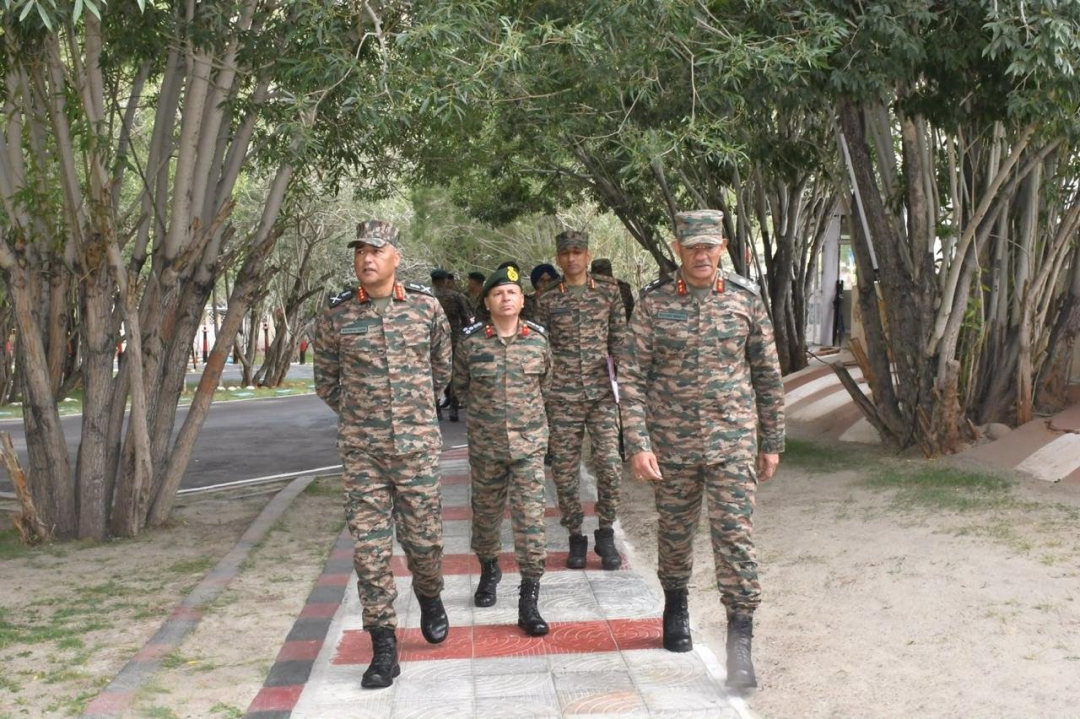
Lt Gen Pande also reviewed innovative indigenous solutions being adopted by formations in the region. The Army’s emphasis on locally developed technologies reflects both the operational need to tailor systems to Ladakh’s unique conditions and the wider push for greater self-reliance in defence capabilities.
Operating in Ladakh presents a combination of challenges not found in most other deployments. Reduced oxygen levels, freezing temperatures, strong winds and rugged terrain can affect personnel, vehicles, weapons and electronic systems alike. Sustaining troops in such conditions also requires a robust logistics network to ensure constant supplies of ammunition, fuel, food, specialised clothing and other essential stores.
Mobility remains a critical factor in the region, where formations must be able to move personnel, equipment and supplies quickly across mountainous terrain. New-generation vehicles, specialised mobility platforms and indigenous technologies can therefore make a direct difference to the Army’s ability to respond to operational requirements as they emerge.
Equally important is sustainability, since forward formations need dependable accommodation, heating, power generation, communications, maintenance and logistics support. Technologies that reduce dependence on long supply chains or improve the efficiency of these systems can significantly increase the endurance of units deployed in the area.
During the interaction, the Fire and Fury Corps Commander appreciated the formations for maintaining a high state of readiness despite the demanding environment. He also commended their innovative approach to overcoming operational and logistical challenges.
Lt Gen Pande exhorted all ranks to continue upholding the highest standards of professionalism, mission readiness and operational excellence. That emphasis is especially relevant in Ladakh, where formations must remain prepared to respond quickly to any contingency while sustaining a high level of alertness throughout the year.
The Fire and Fury Corps is among the Indian Army’s most strategically significant formations and is responsible for military operations across the Ladakh region. Its units operate in some of the world’s highest and most difficult military deployments, where extreme altitude, rugged mountains and severe weather place exceptional demands on troops and equipment.
The Corps is tasked with safeguarding India’s frontiers in Ladakh and maintaining operational preparedness along sensitive sectors. That responsibility requires a mix of conventional combat capability, advanced surveillance, reliable communications, high-altitude logistics and specialised equipment adapted for the terrain.
The Trishul Division is an important element of the Army’s operational posture in the region. Formations under the Fire and Fury Corps regularly carry out training, surveillance, infrastructure development and capability enhancement activities to ensure that troops remain prepared for contingencies across the full spectrum of operations.
In recent years, the Indian Army has significantly strengthened infrastructure and operational capability in Ladakh. Road and bridge construction, communications networks, logistics infrastructure, troop habitats and forward connectivity have all improved alongside the induction of modern weapons, surveillance systems, drones, specialised vehicles and other technologies.
That push has been accompanied by a growing emphasis on indigenous innovation, with formations increasingly developing solutions suited to local operational challenges. Systems designed specifically for high-altitude conditions can improve efficiency and reduce dependence on equipment that was not originally built for the harsh Himalayan environment.
Senior commanders’ visits to forward formations are an important part of the Army’s readiness process, allowing them to directly assess preparedness, interact with personnel, examine newly inducted equipment and identify issues that may need to be taken up at higher levels of command.
Lt Gen Madanraj Pande’s visit to the Trishul Division and forward areas of Ladakh reflected the Army’s continuing focus on maintaining a strong operational posture in the region. The combined emphasis on troop readiness, New Generation Equipment and indigenous innovation highlights the broader shift towards a more technologically enabled and sustainable force.
For troops serving in one of the world’s most demanding military environments, the ability to combine professional training, modern equipment, reliable logistics and locally developed solutions remains essential. The Corps Commander’s appreciation of the formations and his call to sustain professionalism and operational excellence reinforce the priority being placed on readiness across the Fire and Fury Corps.


