
Lt Gen Harsh Chhibber Details Indian Army Digital and AI Transformation at Western Command

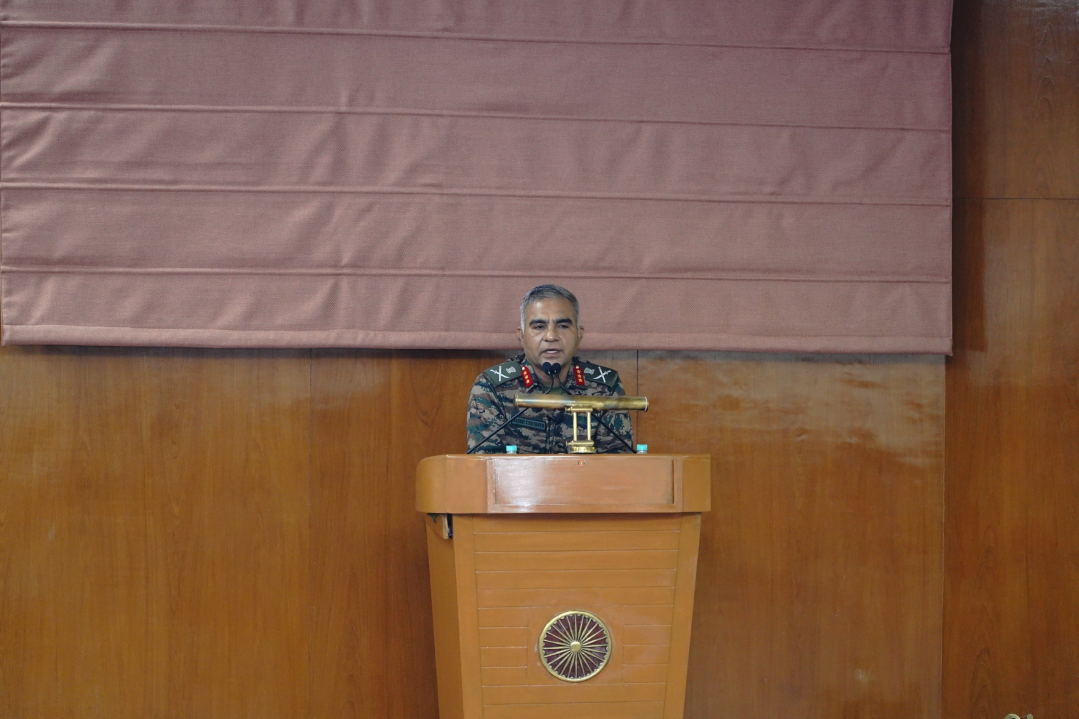
Lieutenant General Harsh Chhibber, AVSM, VSM, PhD, Director General Information Systems, addressed officers at the Indian Army’s Western Command in a lecture on digital and artificial intelligence transformation, setting out how the force is working to become more technologically advanced and prepared for future warfare.
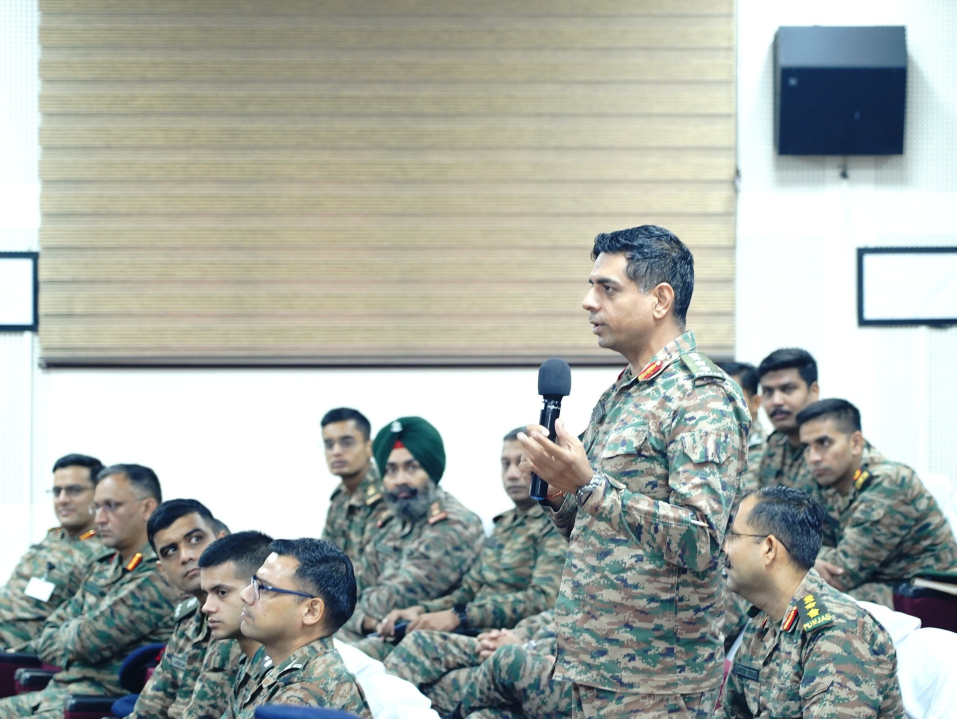
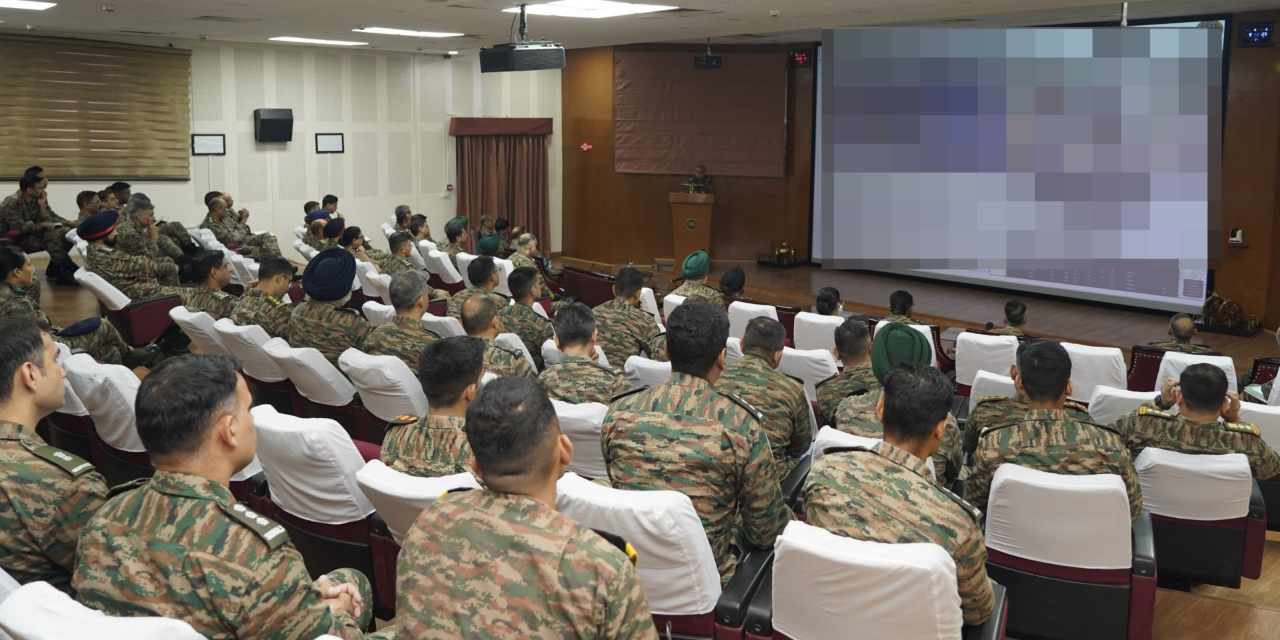
The session brought together Lt Gen Chhibber and future military leaders for a professional interaction focused on emerging technologies, artificial intelligence and their growing relevance to the Indian Army’s operational effectiveness. Lieutenant General H S Sahi, PVSM, UYSM, AVSM, YSM, SM, Chief of Staff, Western Command, chaired the session.
In his lecture, Lt Gen Chhibber discussed how digital technologies and artificial intelligence could reshape military operations, decision-making and organisational processes. He also outlined ongoing initiatives aimed at embedding AI across different facets of the Army, indicating that the service is treating the technology as a broad enabler rather than a niche capability.
The interaction took place against the backdrop of rapid change in modern warfare, where artificial intelligence, automation, advanced data analytics, autonomous systems and digital networks are increasingly shaping how armed forces operate. Militaries around the world are assessing how these tools can improve situational awareness, speed up decisions and make operations more effective.
For the Indian Army, the implications of digital transformation extend well beyond combat formations. The source article notes that it affects battlefield operations as well as headquarters work, logistics, training and administrative functions. Better integration of digital systems can help move information faster and give commanders a clearer picture of fast-changing operational situations.
A major theme of the lecture was the ability of artificial intelligence to help military personnel handle the huge volume of data generated by surveillance platforms, sensors, communication networks and other sources. When linked effectively with existing systems, such tools can help commanders and staff identify what matters most and make timely decisions.
The emphasis on embedding AI across the Army suggests a wider institutional shift in which technology is being viewed as a force multiplier across multiple functions, including intelligence analysis, surveillance, logistics optimisation, predictive maintenance, training, administrative automation, decision support and the management of complex information environments.
The article also stresses that digital transformation is not only about procuring new software or equipment. For such changes to work in practice, military personnel must understand how emerging technologies can be integrated into established operational structures and procedures.
That is why engagements with future military leaders are seen as especially valuable. Officers who will take on higher command and staff responsibilities are increasingly expected to make decisions involving technology-driven capabilities, and such sessions help familiarise them with the direction in which the Army is moving.
The Western Command lecture also reflected the need for institutional adaptability as artificial intelligence develops quickly and its applications continue to expand. Military organisations, the source notes, must keep updating training, doctrine and organisational processes to keep pace with technological change.
Digital transformation can also strengthen integration across military capabilities. Modern operations generate large volumes of information from multiple sources, and the ability to connect, analyse and distribute that information can significantly improve battlefield awareness. For commanders, access to timely and relevant information can shorten decision cycles and support more effective use of available resources.
Lt Gen Chhibber’s interaction further reinforced the importance of innovation-led capability development within the Indian Army. The source says building a future-ready force requires technology absorption, organisational reform, professional education and a culture that encourages experimentation and innovation.
The Army has increasingly focused on emerging technologies as it prepares for future conflicts expected to involve conventional operations alongside cyber, electronic warfare, unmanned systems, information operations and other technology-intensive capabilities. Within that environment, artificial intelligence is expected to become an important enabling component, particularly where large data sets must be processed and interpreted quickly.
By engaging officers at Western Command on digital and AI transformation, Lt Gen Chhibber provided them with an overview of how these technologies may influence both the operational and organisational functioning of the Army. The interaction, as described in the source, reaffirmed the Army’s commitment to digital transformation and innovation-driven capability development.
Through wider adoption of artificial intelligence and other emerging technologies across the force, the Indian Army aims to improve operational effectiveness while preparing its personnel, systems and formations for the increasingly technology-driven character of future warfare.


