
IMA Officer Cadets Face Battle Drills, Leadership Tests in Exercise CHAKRAVYUH

The Indian Military Academy (IMA) has put its Officer Cadets through Exercise CHAKRAVYUH, a demanding training event designed to test battle drills, battlefield awareness, physical endurance and leadership under sustained pressure. The exercise was structured to push cadets beyond routine training conditions and place them in situations where fatigue, tactical demands and decision-making had to be managed at the same time.
At the centre of the exercise was a 20-kilometre speed march, which became one of the toughest components of the training. The long-distance march required cadets to keep moving despite mounting exhaustion, making it as much a test of mental resilience as of physical conditioning. For future officers, the challenge reflected a basic requirement of military service: the ability to continue functioning effectively when the body is tired and the pressure remains high.
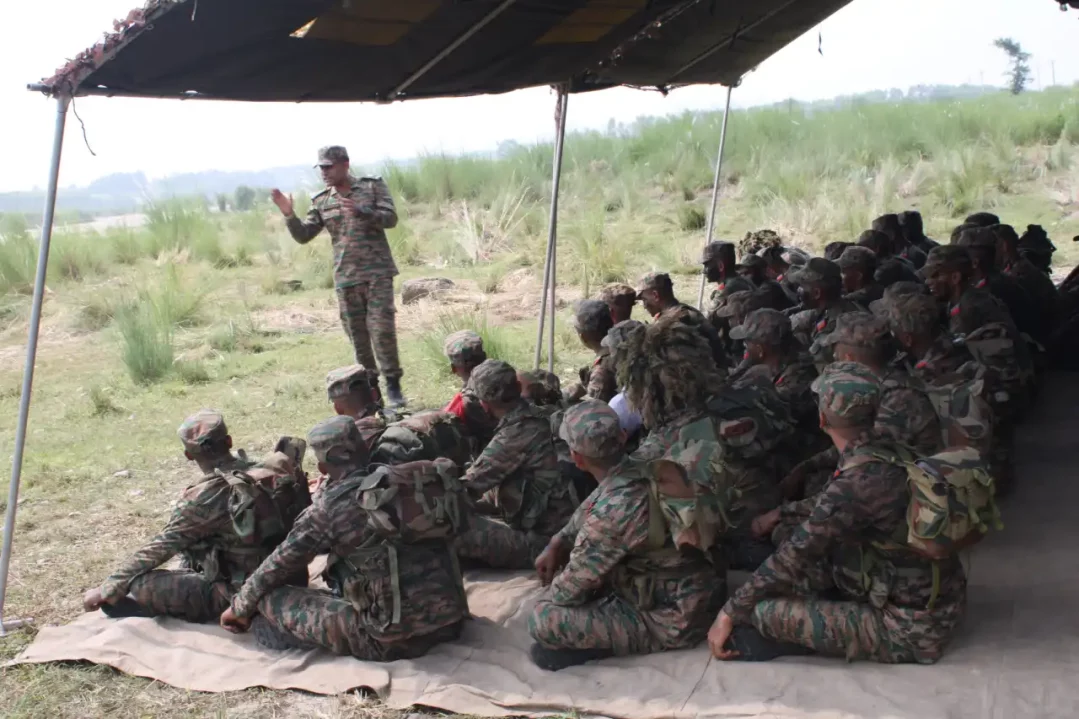
Exercise CHAKRAVYUH placed particular emphasis on alertness and discipline. Battle drills and battlefield awareness formed a core part of the training, exposing Officer Cadets to scenarios that required them to apply military skills while remaining focused under pressure. The intent, as described in the exercise, was to ensure that cadets could respond effectively even when physical fatigue and tactical complexity were working against them.
That combination of strain and decision-making is central to the professional development of an officer. The IMA’s training approach in this exercise linked physical effort directly with battlefield performance, underlining that endurance is not only about stamina but also about preserving judgement and discipline in demanding conditions.
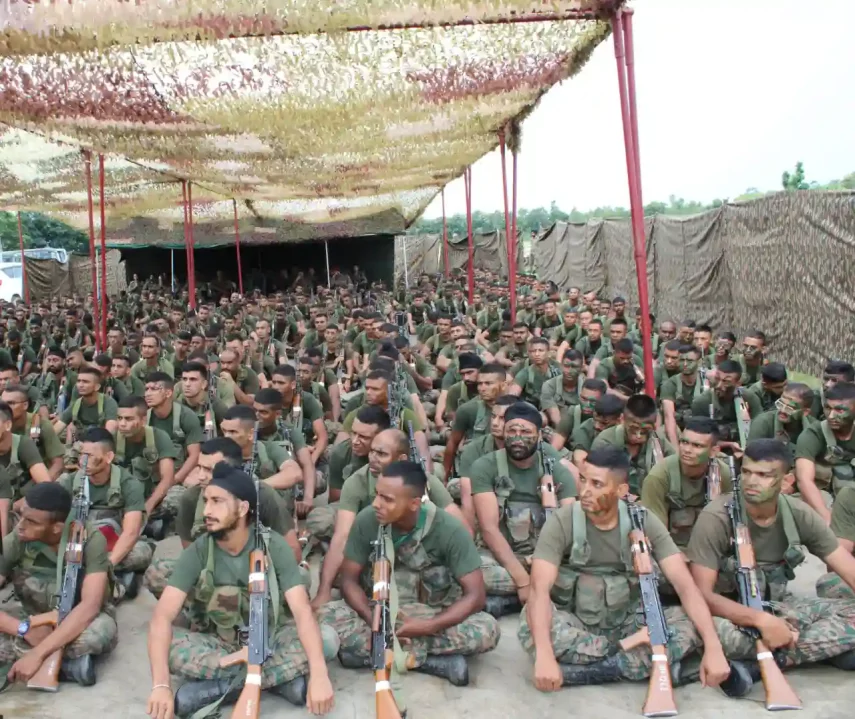
The 20-kilometre speed march served that purpose clearly. As the cadets covered the distance, tired legs and difficult miles became part of a larger test of perseverance. The exercise reflected the reality that soldiers and officers may need to travel considerable distances and continue carrying out tasks under demanding operational conditions, making stamina and determination essential qualities for leadership in uniform.
Beyond physical toughness, Exercise CHAKRAVYUH was also aimed at leadership development. Officer Cadets are expected to leave the academy able to lead troops in difficult environments, make decisions under pressure and maintain the confidence and motivation of those serving under them. The exercise therefore combined endurance with command-oriented training, allowing cadets to experience the kind of stress that can shape leadership in the field.
The IMA’s focus on such challenges is intended to develop psychological resilience as well. Training of this kind seeks to prepare cadets to keep performing when the situation becomes uncomfortable or difficult, and to maintain discipline even when fatigue begins to affect judgement. In that sense, the speed march and other components of the exercise were not isolated physical tasks but part of a broader effort to build officers who can stay mission-focused under pressure.
The exercise also reinforced the role of camaraderie in military training. Demanding collective activities encourage cadets to support one another while keeping attention on the task at hand. Shared hardship can help build trust and cohesion, qualities that are essential to military units and to the leadership of soldiers in operational settings.
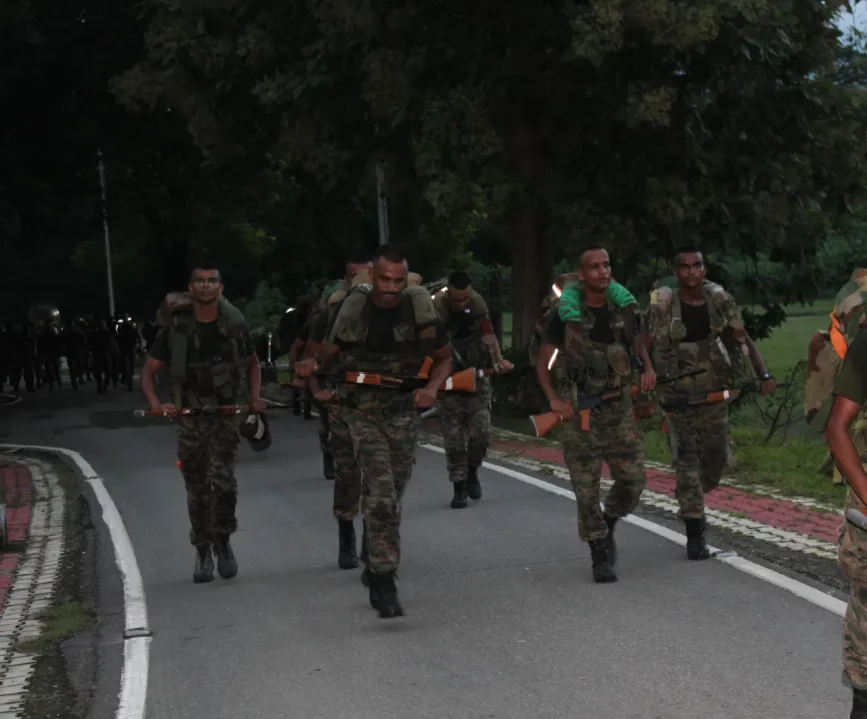
By combining battle drills, battlefield awareness, endurance work and leadership challenges, Exercise CHAKRAVYUH went beyond routine physical training. It was meant to prepare Officer Cadets for the realities of command and the responsibilities that come with wearing the officer’s uniform. The exercise also highlighted a central idea of military training at the academy: stronger challenges are designed to produce stronger leaders.
For the future officers of the Indian Army, the experience was another step in building the physical toughness, mental resilience and leadership confidence needed to lead soldiers in demanding operational environments. The 20-kilometre speed march, in particular, stood as a practical test of that preparation, showing that determination must remain constant until the mission is complete.
Tired legs, tough miles and sustained pressure were therefore not just obstacles during Exercise CHAKRAVYUH, but part of a larger lesson at the Indian Military Academy: the demands of training are meant to shape cadets into officers capable of meeting the demands of service.


