General Upendra Dwivedi Assesses Western Command's Operational Preparedness and Readiness Initiatives

General Upendra Dwivedi, the Chief of the Army Staff, conducted a visit to the Indian Army's Western Command to assess its operational readiness and evaluate its combat capabilities, as well as its contributions to national development within the Western theatre.
This visit is part of General Dwivedi's ongoing efforts to engage with operational commands, ensuring they are prepared to address both current and future security threats. He received briefings on several aspects, including operational training, administration, and capability enhancements, aimed at bolstering the effectiveness of formations stationed in this critical region.
The Western Command is vital in upholding the Indian Army's strategic stance in one of the nation's most sensitive areas. General Dwivedi reviewed the command's readiness, ongoing modernization efforts, and steps being taken to improve combat efficiency across various formations.
A primary focus of his visit was on capability development and future preparedness. General Dwivedi evaluated initiatives in force modernization, operational agility, technology adoption, and infrastructure advancement. Discussions emphasized the importance of preparing formations for rapidly evolving battlefield scenarios, where speed, information dominance, and technology-driven decision-making are increasingly crucial.
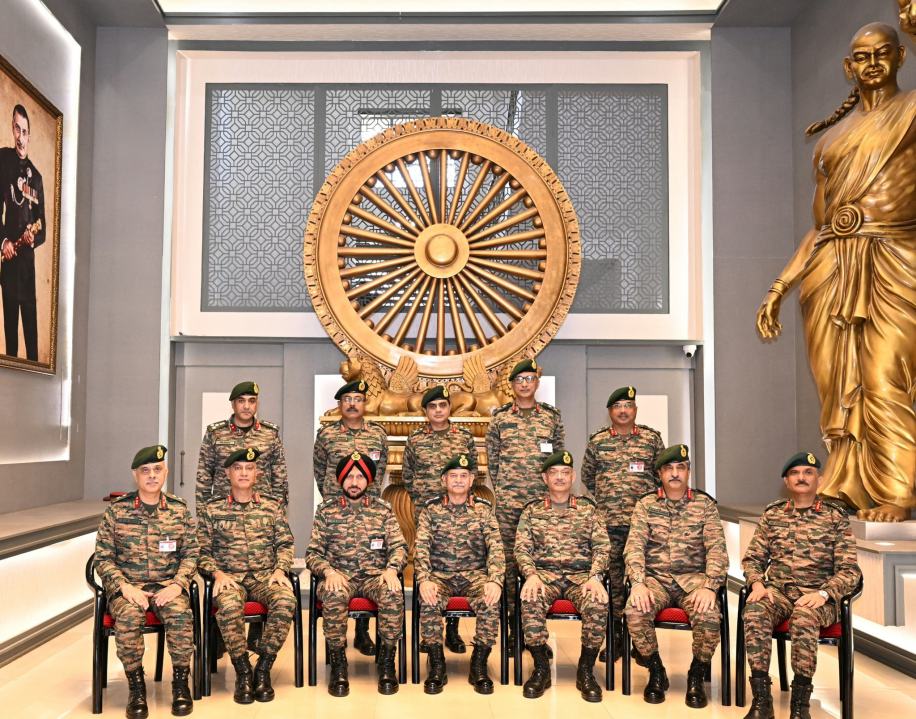
In an address to officers of the Western Command, the Army Chief highlighted the necessity of leveraging emerging technologies to boost operational readiness. He stressed the need for the Indian Army to cultivate innovation and develop data-centric capabilities to tackle impending challenges effectively.
General Dwivedi pointed out the swift transformations in modern warfare, marked by the growing significance of drones, artificial intelligence, surveillance systems, electronic warfare, precision capabilities, and real-time data networks. He encouraged officers to proactively adopt new technologies and incorporate them into training, planning, and operational strategies.
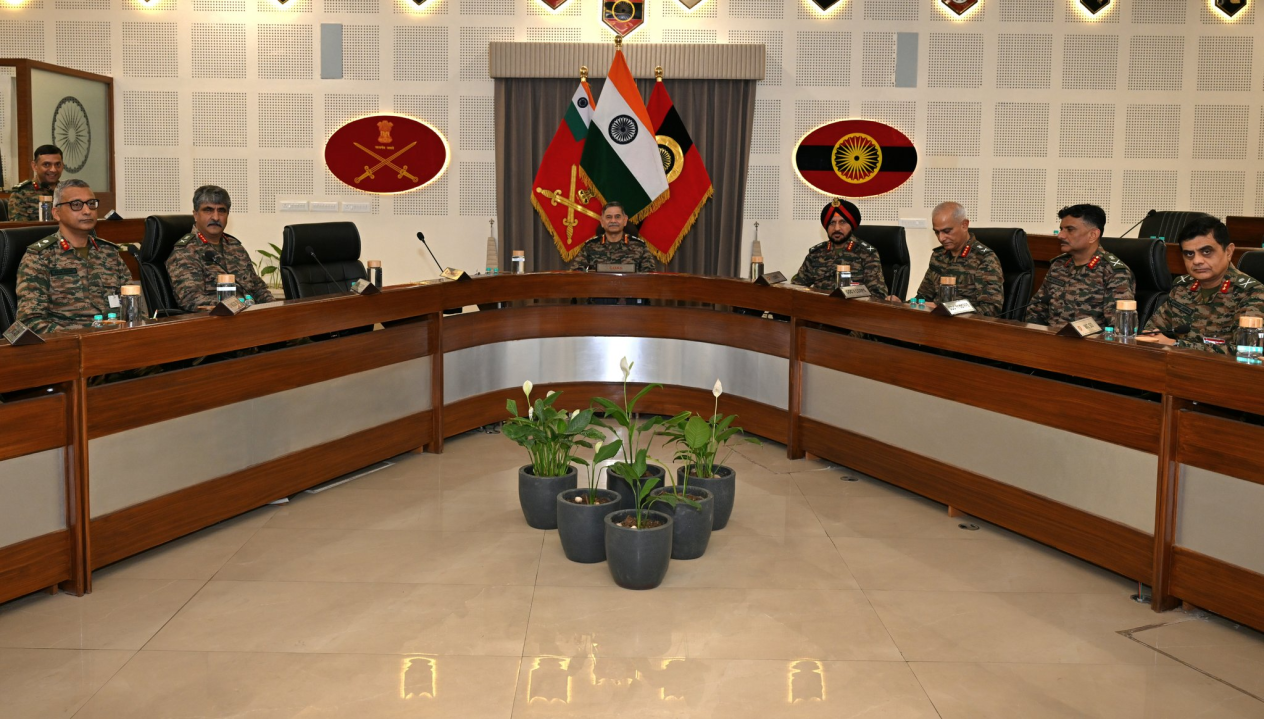
Emphasizing a culture of innovation within the Army, the COAS noted that field-derived solutions, when nurtured and expanded, can significantly enhance the Army's capabilities. He urged commanders and officers to identify practical innovations that can improve response times, battlefield awareness, logistics, communication, and overall combat performance.
The discussions also highlighted the increasing importance of data-centric capabilities in future military operations. General Dwivedi underscored the need for effective data utilization to enhance decision-making, coordination, and rapid responses in complex operational environments. He emphasized that the ability to efficiently collect, analyze, and utilize data would be pivotal in achieving operational agility.
During the visit, the Army Chief also assessed nation-building initiatives being pursued by the Western Command. These initiatives underscore the Army's broader role beyond combat readiness, encompassing support to civil authorities, community outreach, welfare activities, and contributions to national development in border and operational areas.
General Dwivedi lauded the command’s efforts in maintaining high operational standards while also engaging in nation-building activities. He recognized that the Indian Army's strength lies not only in its combat prowess but also in its discipline, professionalism, and strong connection with the populace.
As part of the visit, the COAS honored selected personnel for their exemplary service, professionalism, and dedication to duty, recognizing soldiers and officers who have shown outstanding commitment in their roles.
Praising all ranks of the Western Command, General Dwivedi commended their dedication, professionalism, and unwavering commitment to operational excellence. He acknowledged the troops' constant readiness and their disciplined, determined approach to their duties.
The Army Chief urged all ranks to focus on capability enhancement, innovation, and mission success. He emphasized that the evolving nature of security challenges demands continuous learning, adaptability, and a forward-looking approach from every formation and soldier.
This visit comes as the Indian Army emphasizes modernization, technology integration, and developing future-ready combat capabilities. Across various commands, efforts are underway to enhance surveillance, mobility, firepower, communication networks, infrastructure, and logistical support to meet emerging operational requirements.
General Dwivedi's review of the Western Command reinforced the Army's commitment to preparedness in the Western theatre and its dedication to building a more agile, technologically advanced, and mission-focused force. The interaction also served to motivate commanders and troops to continue striving for operational excellence.
The COAS's message was clear: the Indian Army must be prepared for current challenges while also gearing up for future warfare demands. Through innovation, technology adoption, data-driven capabilities, and professional excellence, the Western Command has been tasked to continue strengthening its role as a key pillar of India's defense strategy.