
General Dhiraj Seth Evaluates Readiness and Modernisation Efforts of Eastern Command

During a recent visit to the Eastern Command, Chief of the Army Staff (COAS) General Dhiraj Seth assessed the operational readiness of the Gajraj Corps and 101 Area, highlighting the Indian Army's dedication to sustaining combat preparedness and advancing technological and indigenous capabilities. This visit emphasized the strategic significance of the Northeastern region and the Army's ongoing initiatives to enhance its operational strength in a multidomain security landscape.
The COAS received detailed briefings on the current deployment of forces and the efforts to boost mission readiness. Senior military officials updated General Seth on the security situation, infrastructure development in forward areas, and modernization programs aimed at improving operational and logistical efficiency.
The Army Chief evaluated infrastructure development in strategically vital forward locations, recognizing its importance for sustaining operations and enabling swift troop mobilization when necessary. Developing robust infrastructure is a key part of the Indian Army's modernization strategy, especially in challenging terrains where mobility and logistical support are crucial for maintaining operational advantage.
Emphasis was placed on the indigenous modernization efforts by the formations to bolster their operational and logistical capabilities. The Indian Army is committed to achieving self-reliance in defense technologies through domestic solutions, which enhance national security and support the broader Atmanirbharta initiative in defense manufacturing.
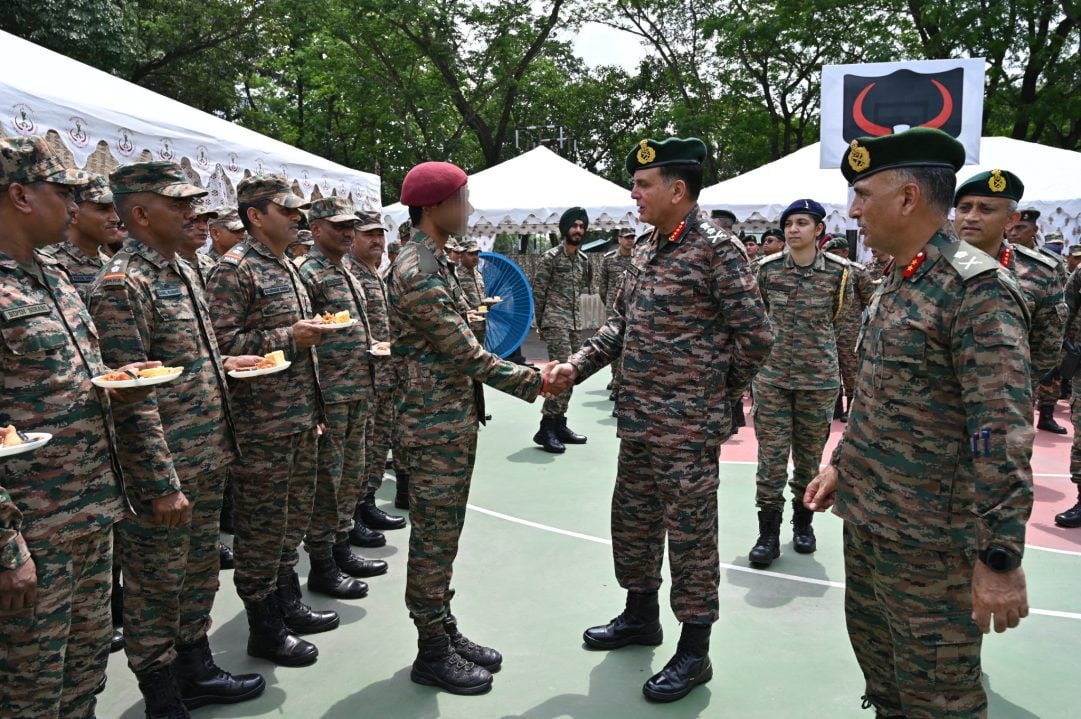
General Seth was also informed about measures to enhance capabilities in response to the complex nature of modern warfare. Integrating emerging technologies and adopting adaptive operational concepts remain central to developing agile, future-ready military capabilities to address both conventional and emerging security challenges.
In interactions with officers, junior leaders, and troops, the COAS praised them for their dedication to duty, high operational standards, and professionalism under demanding conditions. He acknowledged their ongoing commitment to national security and regional peace and stability.
The Army Chief expressed appreciation for the seamless coordination among formations and with civilian agencies in a complex multidomain operational environment. Modern security challenges require integrated responses that utilize the strengths of military formations, civil administration, and inter-service cooperation, which are crucial for success in military and humanitarian operations.
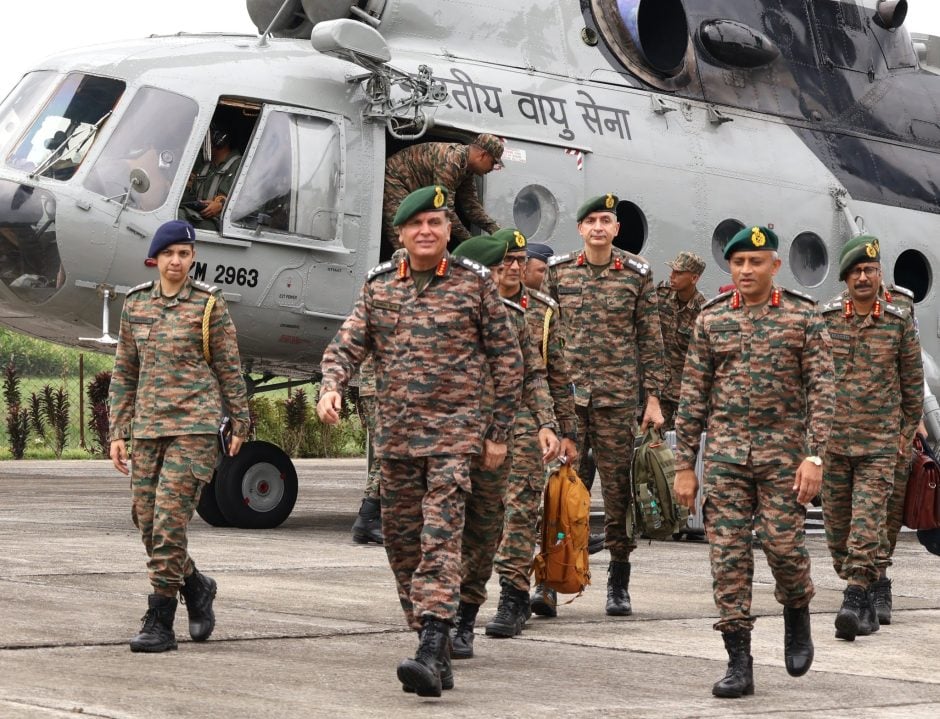
General Seth commended the formations for their outstanding contributions to disaster relief, internal security, and nation-building initiatives in Assam, Arunachal Pradesh, and Meghalaya. The Indian Army has consistently shown its dedication to serving the nation beyond conventional military roles, offering timely humanitarian assistance and engaging with local communities in the Northeast.
The Gajraj Corps and 101 Area have played an essential role in maintaining peace and stability, contributing to developmental efforts that improve the lives of people in remote, strategic areas. Their work reflects the Indian Army's commitment to national security and societal welfare.
Highlighting the transformative changes in contemporary military operations, the COAS stressed that operational preparedness, technological transformation, and self-reliance are key to building a future-ready Indian Army. He noted that future battlefields would increasingly require technologically proficient and adaptable forces that integrate innovation with combat excellence.
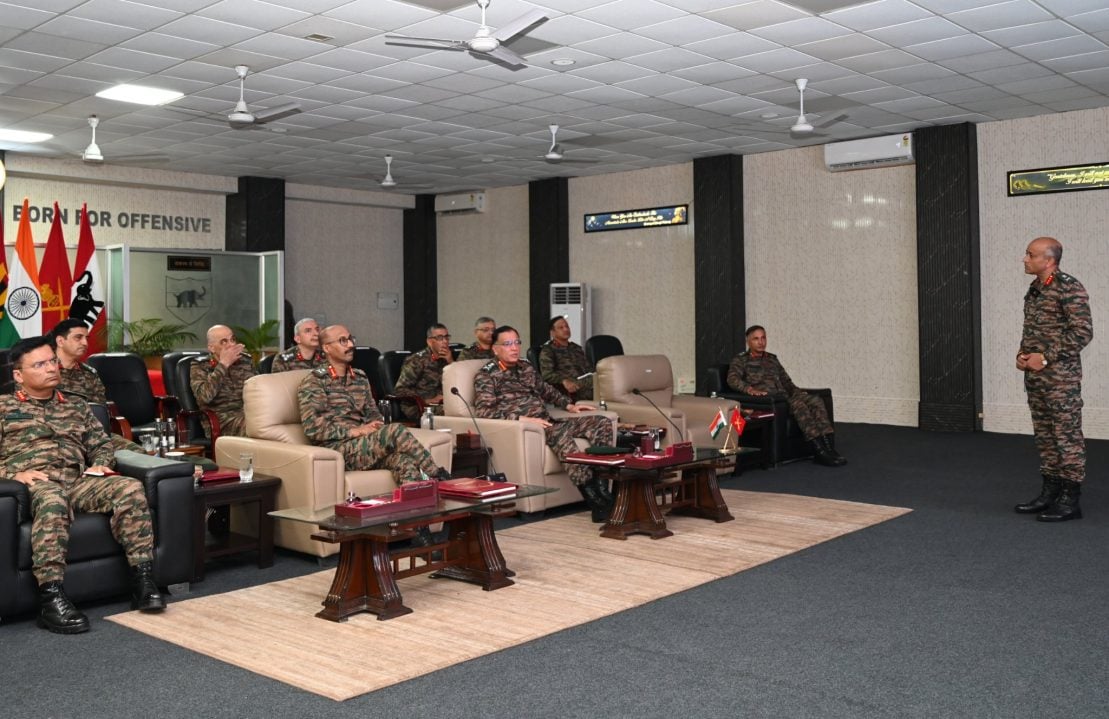
General Seth reiterated that the Army's modernization efforts align with the national vision of Viksit Bharat 2047, which aims for a technologically advanced, self-reliant, and globally respected India. Strengthening indigenous capabilities and fostering technological innovation within the Armed Forces remain key priorities in achieving this vision.
The Army Chief encouraged personnel to maintain professional excellence, continuous learning, and capability enhancement, while embracing emerging technologies that will shape future warfare. He emphasized that investments in human capital, technological modernization, and operational readiness are vital to sustaining India's military effectiveness amid a dynamic strategic environment.
The visit to the Gajraj Corps and 101 Area underscores the Indian Army's ongoing focus on combat readiness, inter-agency cooperation, and strengthening indigenous military capabilities. Through its commitment to operational excellence and technological transformation, the Indian Army remains dedicated to safeguarding national interests and contributing to the Viksit Bharat 2047 vision.


