DGAFMS Surgeon Vice Admiral Arti Sarin Reviews Telemedicine, Medical Preparedness at HQ IDS

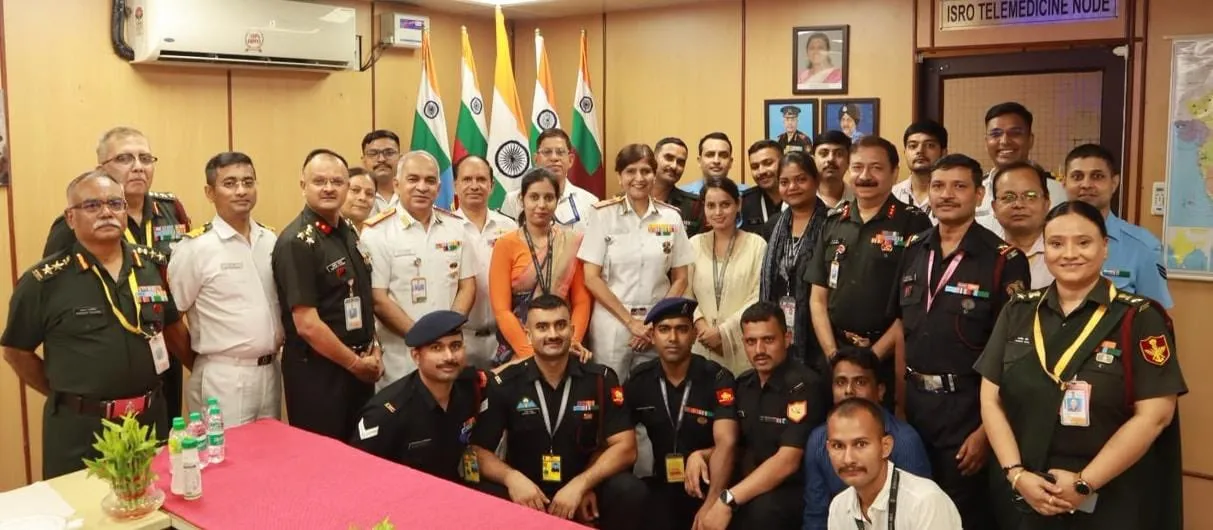
Surgeon Vice Admiral Arti Sarin, Director General Armed Forces Medical Services (DGAFMS), visited the Medical Branch of Headquarters Integrated Defence Staff (HQ IDS) on August 24, 2026, to review ongoing efforts aimed at improving medical preparedness and strengthening tri-service healthcare support across the Armed Forces.
The visit centred on the growing role of telemedicine, digital systems and joint medical planning in helping the services deliver timely care in both routine and operational settings. During the review, Surg Vice Admiral Arti Sarin examined the functioning of telemedicine nodes and their contribution to faster healthcare delivery across the Armed Forces. The assessment focused on how technology can improve connectivity between medical establishments and provide access to specialised clinical support when needed.
She also met officers and staff of the Medical Branch at HQ IDS and exchanged views on ways to improve operational preparedness and the delivery of medical support. The interaction covered a range of issues linked to the functioning of the branch and the broader requirements of military healthcare.
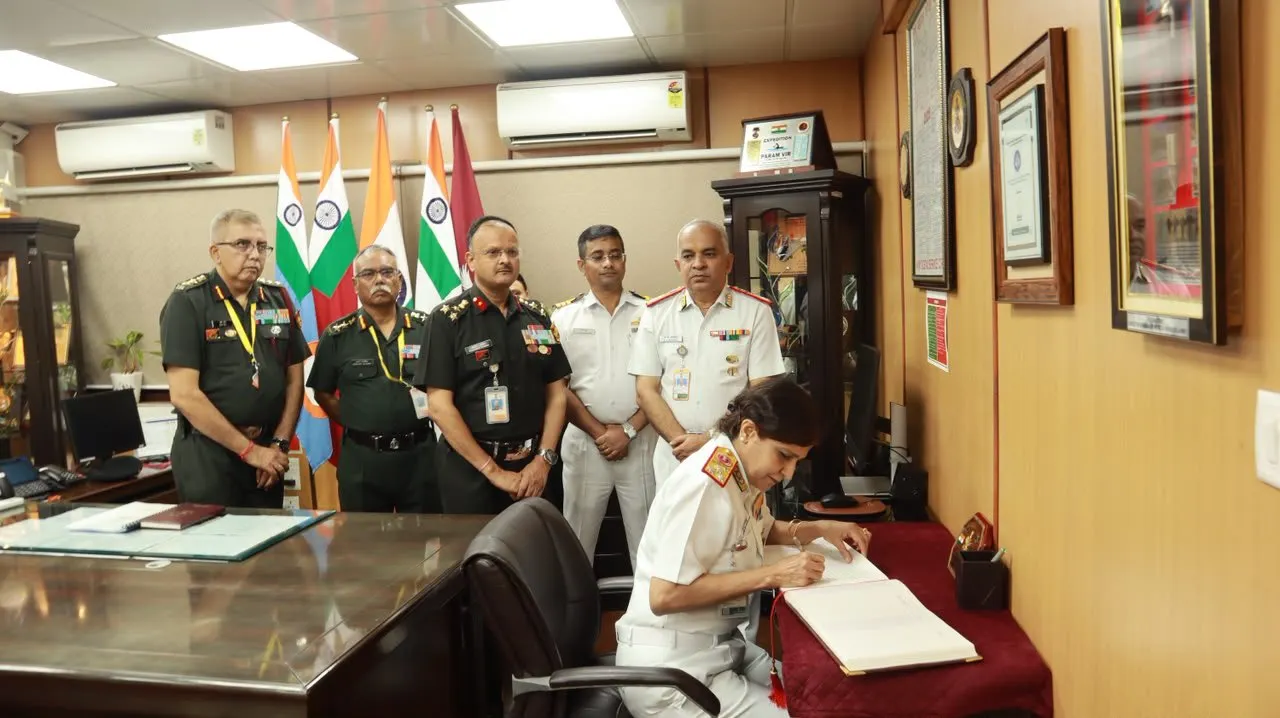
A major focus of the discussions was the future IT roadmap for military medical services. The review highlighted the need to use emerging technologies and expand digital capabilities not only to support clinical care, but also to meet operational medical requirements. The emphasis on technology reflected the increasing importance of digital infrastructure in sustaining healthcare delivery across dispersed military formations and environments.
Another key point raised during the visit was the need for stronger tri-service integration within the Armed Forces Medical Services. According to the discussions, closer coordination among the medical branches of the Army, Navy and Air Force can help make better use of resources, improve clinical capabilities and support smoother medical response during operations.
The DGAFMS also underlined the importance of balancing holistic clinical care with combat medical support that remains aligned to evolving operational demands. The conversation reflected the dual nature of military healthcare, which must support day-to-day treatment while also being ready for battlefield and mission-specific requirements.
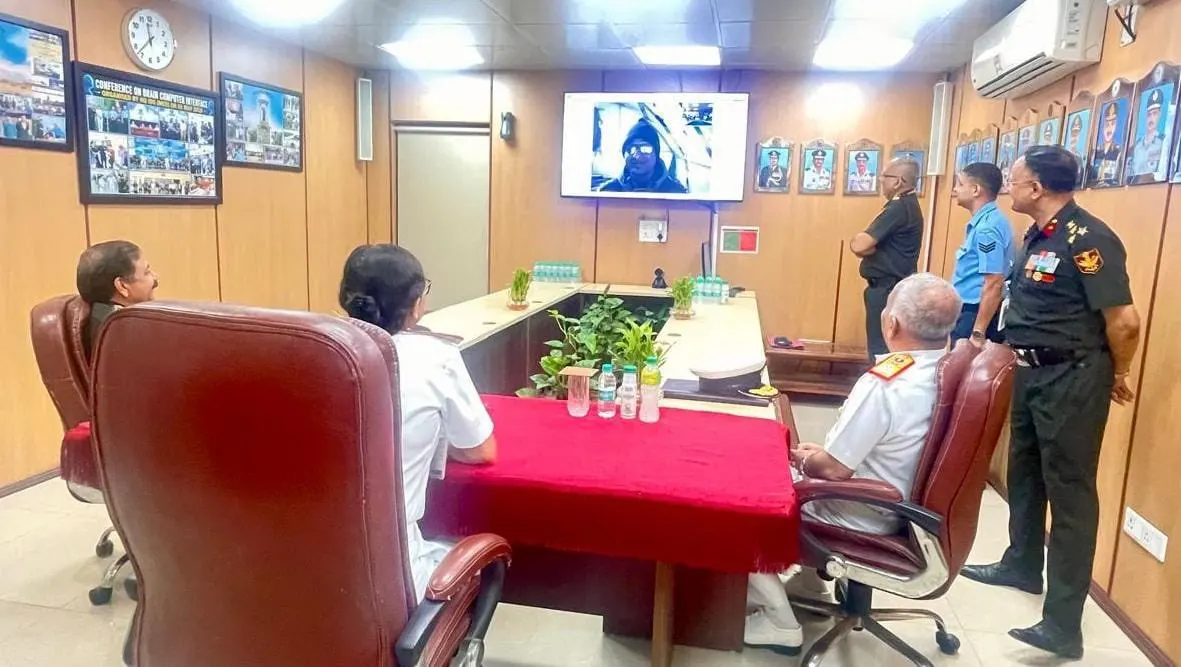
The visit highlighted the growing significance of telemedicine, digital healthcare infrastructure and integrated medical systems in maintaining the readiness of military personnel and ensuring continuity of care across varied operational environments. These capabilities are increasingly central to the Armed Forces’ ability to deliver medical support across distances and during deployments where immediate access to specialists may be limited.
At the end of the engagement, Surg Vice Admiral Arti Sarin appreciated the efforts of the Medical Branch of HQ IDS and encouraged personnel to continue pursuing innovation, technological advancement and greater jointness in military healthcare. The interaction, officials said, reaffirmed the Armed Forces Medical Services’ commitment to building a future-ready and integrated medical support system capable of providing comprehensive clinical care while meeting demanding combat and operational needs.