
DGAFMS Surgeon Vice Admiral Arti Sarin Releases Col Nikita Naredi’s Hindi Book Kokh Ya Karkhana at Army Hospital R&R

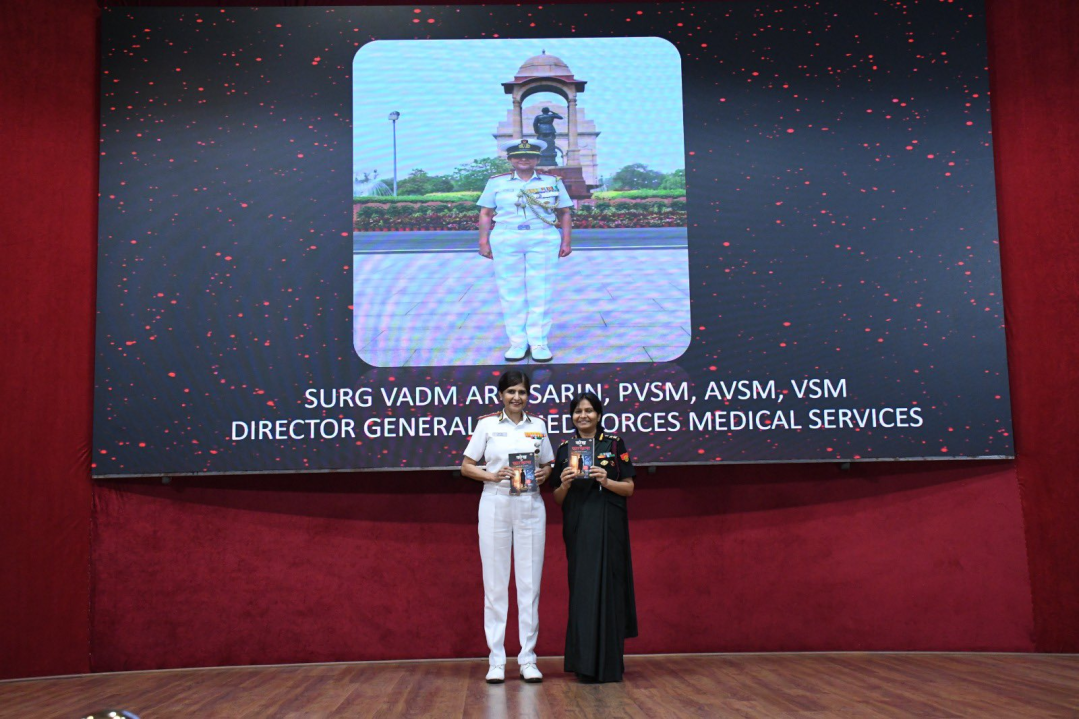
Surgeon Vice Admiral Arti Sarin, Director General Armed Forces Medical Services (DGAFMS), launched the Hindi translation of Colonel Nikita Naredi’s book Am I Just a Baby Vending Machine? at Army Hospital (Research and Referral), bringing a personal and social theme into the spotlight at an event attended by senior military and government dignitaries.
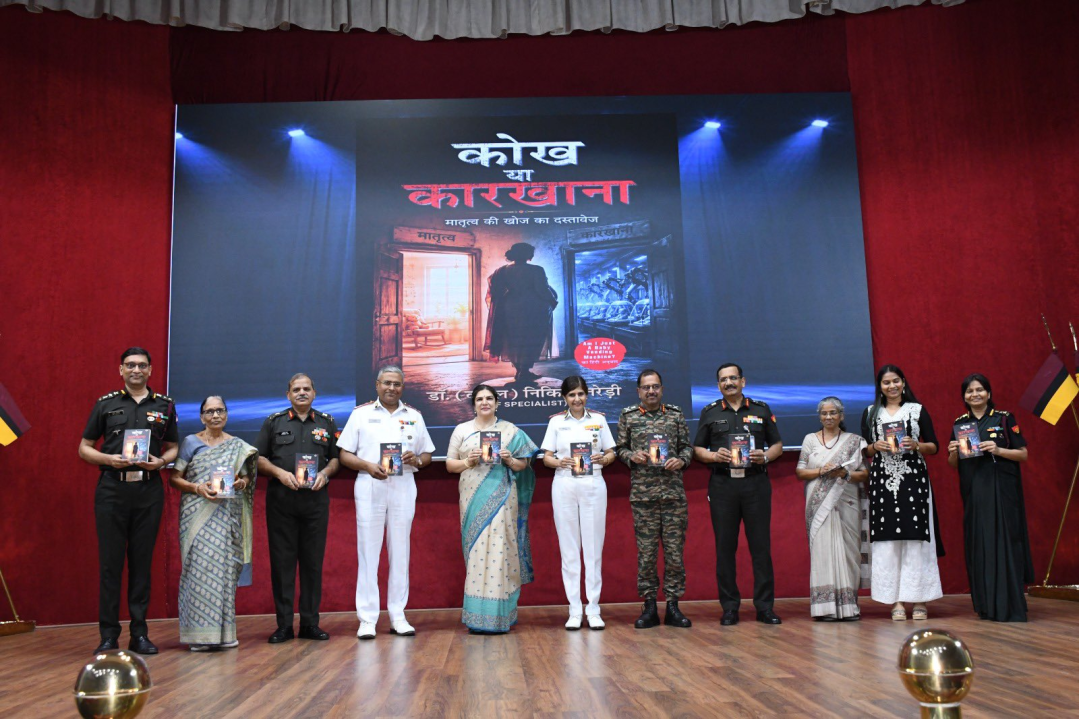
The Hindi edition, titled Kokh Ya Karkhana, was released in the presence of senior representatives of the Armed Forces Medical Services, along with officials and other invited guests. The gathering centred on womanhood, personal agency and the idea that a woman’s identity should not be reduced to motherhood alone.
Among those present was Deepti Uma Shankar, Secretary to the President of India. Senior Armed Forces Medical Services leaders at the event included the Director General Medical Services (Air), the Director and Commandant of the Armed Forces Medical College, the Director General Medical Services (Army), the Director General Medical Services (Navy), the Director General (Organisation and Personnel), the Commandant of Army Hospital (R&R) and the Director General Dental Services.
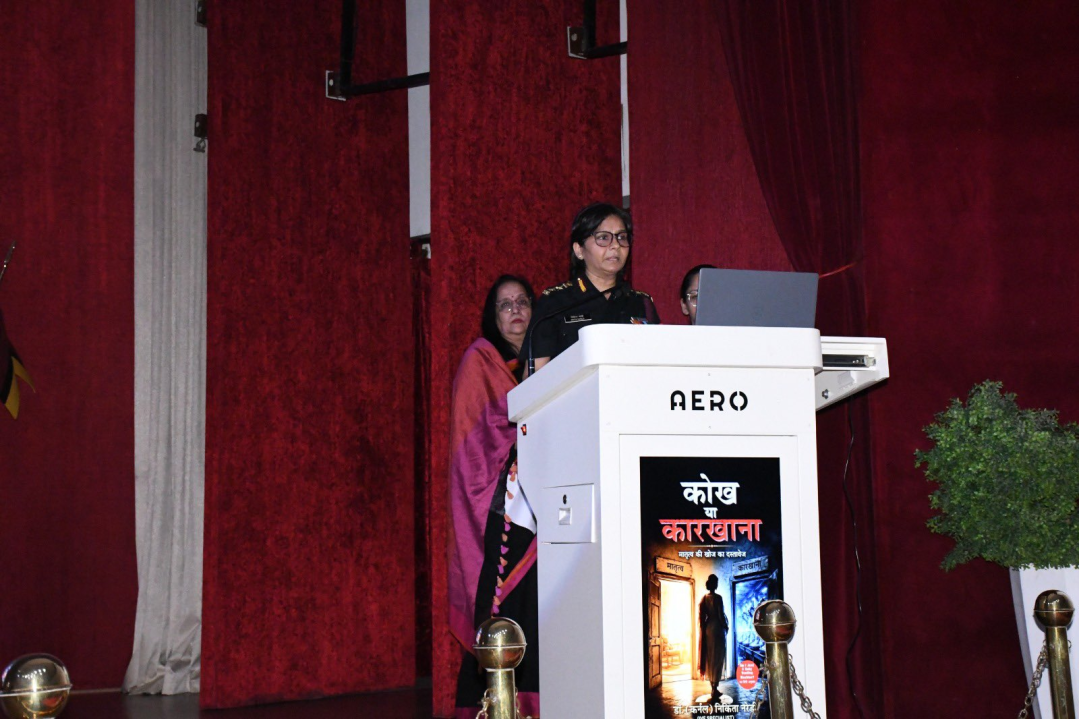
Additional Controller General of Defence Accounts Maushami Rudra, Ankit Jhamb and several other dignitaries also attended the function.
In her address, Surgeon Vice Admiral Sarin said that a woman remains complete whether she chooses motherhood or follows another path in life. Her remarks reflected the central idea behind the book and the event: women should be recognised as individuals with their own aspirations, achievements and choices, not defined solely by conventional expectations around marriage and childbirth.
The title Kokh Ya Karkhana, translated from Am I Just a Baby Vending Machine?, itself points to the book’s challenge to social attitudes that can reduce a woman’s identity to her reproductive role while overlooking her professional work, ambitions, personal decisions and individuality.
The release of a Hindi translation also broadens the reach of those ideas. Questions around motherhood, reproductive choice and social expectation resonate across Indian society, and publication in Hindi makes the book accessible to a much wider readership beyond English-speaking audiences.
The event also gained added weight from the presence of women leaders and senior officials from the Armed Forces and government, reinforcing the theme of autonomy and achievement that ran through the discussion.
Women today serve in an expanding range of roles across the Indian Armed Forces, including medical, operational, aviation, technical, administrative and leadership appointments. Their growing presence has also deepened wider conversations about professional ambition, family responsibilities and the freedom to make individual life choices.
The message conveyed at the release was that motherhood can be an important and fulfilling part of a woman’s life, but it should not be the only standard by which her identity or worth is judged. Choosing to become a mother, or choosing another path, are both personal decisions that deserve equal respect.
By hosting the release at Army Hospital (R&R), the event became more than a routine book launch. It served as a platform for a broader conversation on womanhood, personal dignity and the need to create space for women to pursue their own aspirations without being confined by predetermined social roles.
The discussion remains relevant at a time when more women are taking on demanding careers and leadership positions across the Armed Forces, medicine, government, academia, business and other sectors. With individual circumstances and ambitions varying widely, respect for personal choice was presented as a basic part of equality and dignity.
The release of Kokh Ya Karkhana thus highlighted both the work of Colonel Nikita Naredi and the larger conversation her book seeks to advance. The event’s core message was clear: womanhood extends far beyond motherhood, and every woman should have the freedom to define her own priorities, aspirations and path in life.


