
Air Marshal Tejinder Singh Reviews Technological Innovations at MCTE Mhow

On July 18, 2026, Air Marshal Tejinder Singh, the Chief of Integrated Staff Committee, visited the Military College of Telecommunication Engineering (MCTE) in Mhow to evaluate ongoing projects in advanced technology, innovation, and capacity enhancement. This visit underscored the Indian Armed Forces' persistent focus on advancing technological expertise and building collaborative relationships with academic institutions, start-ups, and government bodies to develop military capabilities ready for future challenges.
During his visit, Lieutenant General Praveen Bakshi, Commandant of MCTE, delivered a detailed briefing on the institution's work in integrating advanced technologies and devising innovative solutions tailored to meet the changing needs of modern military operations. As highlighted in the briefing, MCTE is increasingly recognized as a center of excellence in military communications, information technology, and emerging defense technologies.
The Commandant emphasized several technology-driven initiatives underway in partnership with academia, start-ups, and government organizations. These collaborations are crucial in speeding up innovation within the defense sector by utilizing a multidisciplinary approach and encouraging the rapid development of domestic technological capabilities. This joint effort aligns with the nation's broader vision of fostering self-reliance and enhancing India's defense innovation ecosystem.
The Military College of Telecommunication Engineering has consistently led technological innovation within the Indian Army, delivering specialized military education and developing future-oriented capabilities in areas like communications, IT, cyber systems, and emerging military technologies. The institution's ongoing focus on innovation signifies the Indian Armed Forces' commitment to adapting to the rapidly changing nature of warfare.
Air Marshal Tejinder Singh assessed the college's efforts to incorporate cutting-edge technologies into military training and capability development programs. Modern military operations increasingly require the seamless integration of advanced technologies such as artificial intelligence, cyber capabilities, secure communication systems, and network-centric operational frameworks. Institutions like MCTE are pivotal in preparing personnel to effectively utilize these technologies in achieving operational goals.
The Chief of Integrated Staff Committee acknowledged the significant advancements made through collaborative innovation and recognized MCTE's role in bolstering India's indigenous defense technological capabilities. He noted that fostering meaningful collaborations among military institutions, academia, start-ups, and government agencies is essential for building resilient, technologically sophisticated defense capabilities to meet future security threats.
Air Marshal Tejinder Singh praised the dedication and professionalism of MCTE's faculty and staff in promoting technological excellence and institutional innovation. He commended their ongoing efforts in cultivating specialized expertise and developing solutions that significantly contribute to the Armed Forces' operational readiness.
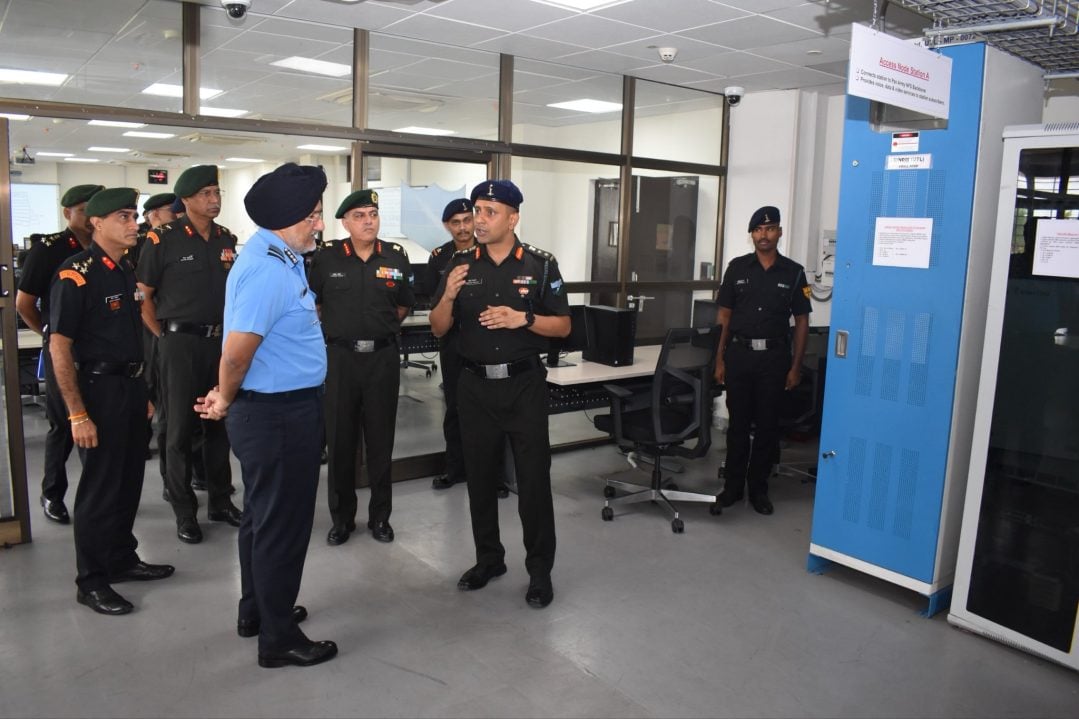
He emphasized the necessity of maintaining the highest standards of professionalism and urged all personnel to continue striving for excellence in their fields, while remaining committed to innovation, adaptability, and continuous learning. The evolving strategic landscape demands technologically adept military professionals who can effectively address complex, multidomain operational challenges.
The Air Marshal further stressed that future military success will hinge not only on technological superiority but also on the ability to quickly adopt emerging technologies and integrate them effectively into operational frameworks and military training. Continuous investment in professional military education and innovation is therefore fundamental to shaping future-ready Armed Forces.
The visit also highlighted the increasing importance of tri-services cooperation in enhancing technological capabilities and promoting institutional excellence across the defense establishment. As the body responsible for fostering unity and integration among the Armed Forces, the Integrated Defence Staff plays a crucial role in supporting collaborative approaches to capability development and military transformation.
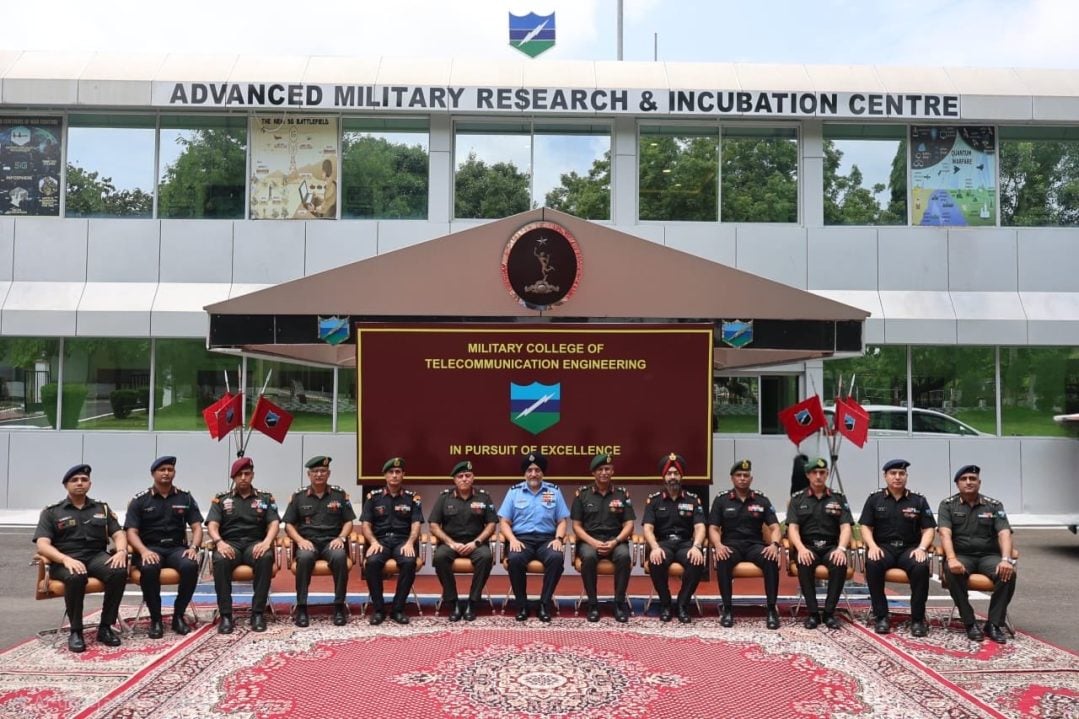
MCTE's focus on technological innovation and collaborative research aligns with the Indian Armed Forces' broader transformation agenda, aimed at developing agile, adaptable, and technologically advanced military institutions. By encouraging indigenous innovation and fostering strategic partnerships, the institution continues to significantly enhance India's defense readiness and technological independence.
Air Marshal Tejinder Singh's visit underscores the Indian military's enduring commitment to embracing technological transformation while upholding the highest standards of professionalism and operational excellence. Through sustained investment in innovation, specialized training, and collaborative capability development, institutions like MCTE are vital in preparing the Armed Forces to face the challenges of future battlefields.
As military technologies evolve at an unprecedented rate, the Military College of Telecommunication Engineering's emphasis on niche technologies and homegrown innovation positions it as a key contributor to India's vision of cultivating a modern, self-reliant, and future-ready defense force. Its initiatives continue to bolster the nation's technological capabilities while advancing broader military modernization and operational excellence goals.


