
Air Marshal S. Sivakumar Evaluates Training Standards and Infrastructure at Air Force Administrative College

Air Marshal S. Sivakumar, who holds the position of Air Officer-in-Charge Administration and also serves as the Commodore Commandant of the Air Force Administrative College (AFAC), visited the institution from July 30 to 31, 2026. The purpose of his visit was to evaluate the college's training standards, infrastructure, and ongoing initiatives aimed at advancing professional excellence and quality of life.
Upon arrival, Air Marshal Sivakumar was welcomed by Air Commodore Shivanand, the Commandant of AFAC, and received a ceremonial Guard of Honour. He then toured various faculty departments, training facilities, and operational sections of the college to assess efforts undertaken to modernize training and enhance the institutional infrastructure.
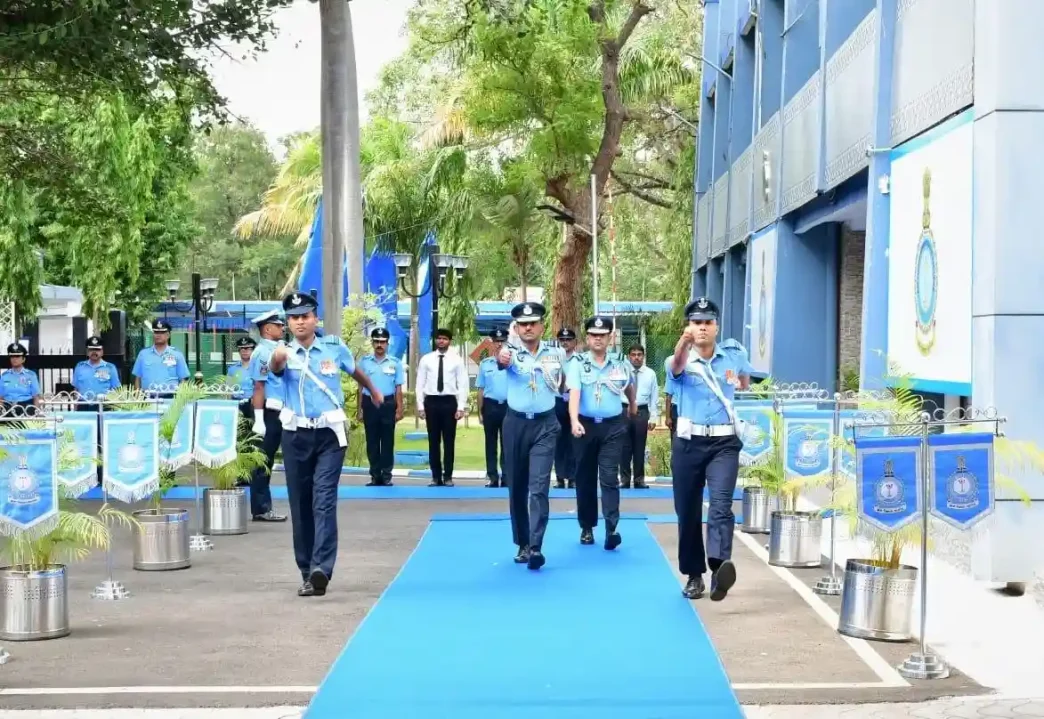
During the tour, the Air Marshal was informed about the college's ongoing efforts to improve training quality through updated curricula and modern teaching methodologies. These initiatives aim to equip personnel for the evolving needs of the Indian Air Force. Additionally, he evaluated measures designed to enhance the quality of life and welfare for officers, air warriors, and trainees at the facility.
Air Marshal Sivakumar expressed his appreciation for the institution's performance, acknowledging the college's successful role in training administrative officers and personnel, as well as its continuous efforts to enhance professional competence and institutional excellence.
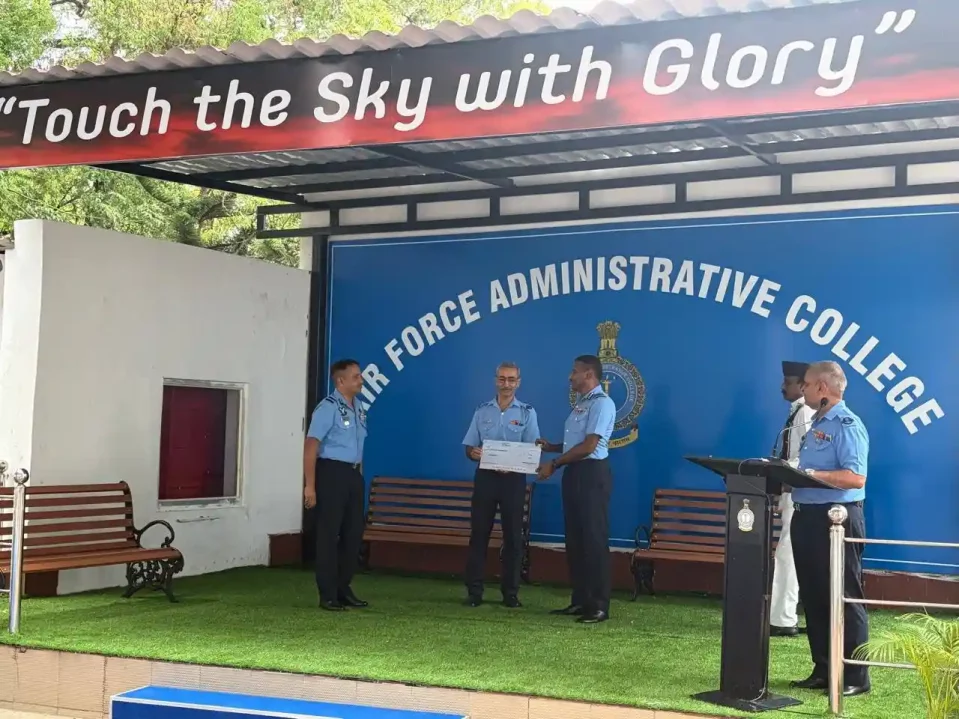
In discussions with officers, instructors, and trainees, the Air Marshal underscored the significant role of AFAC in shaping a future-ready workforce that is both professionally skilled and technologically informed. He urged all personnel to maintain a focus on achieving excellence, innovation, and professionalism within their training and administrative duties.
The Air Force Administrative College is recognized as one of the longest-standing and most esteemed training facilities within the Indian Air Force. It plays a crucial role in providing specialized training in areas such as administration, logistics, accounts, education, and personnel management, which are vital for maintaining the Air Force's operational efficacy.
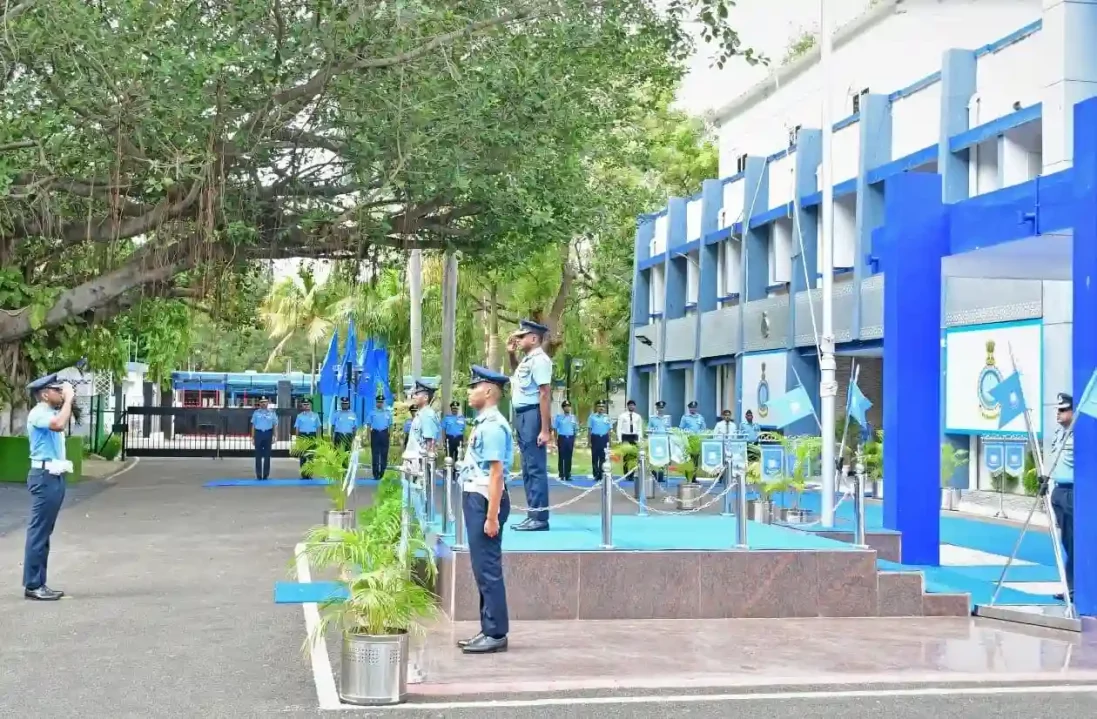
This visit reinforced the Indian Air Force's commitment to enhancing professional military education, institutional development, and administrative excellence, ensuring that its personnel are well-prepared to face the challenges of an increasingly technology-driven and dynamic operational landscape.


