
Air Marshal S Shrinivas Assesses Training Advancements at Basic Flying Training School; Pilots Chetak Helicopter

On August 7, 2026, Air Marshal S Shrinivas, the Air Officer Commanding-in-Chief of the Training Command of the Indian Air Force, visited the Basic Flying Training School (BFTS) to evaluate its progress in providing fundamental flying training to military aviators.
Accompanied by Mrs. Sunita Shrinivas, President of the Air Force Families Welfare Association, Regional, the visit allowed Air Marshal Shrinivas to examine the school's operations, engage with its staff, and assess the training conditions available to trainee pilots.
The Basic Flying Training School is pivotal in equipping trainee pilots from the Indian Army and Indian Coast Guard with essential aviation skills. The training at the school covers fundamental flying principles, aviation discipline, flight safety procedures, and the professional standards necessary for advancing in their military careers.
During his visit, Air Marshal Shrinivas assessed the school's success in meeting its training objectives. He received briefings on various aspects of flying instruction and the initiatives in place to uphold high training standards while adapting to the dynamic demands of modern military aviation.
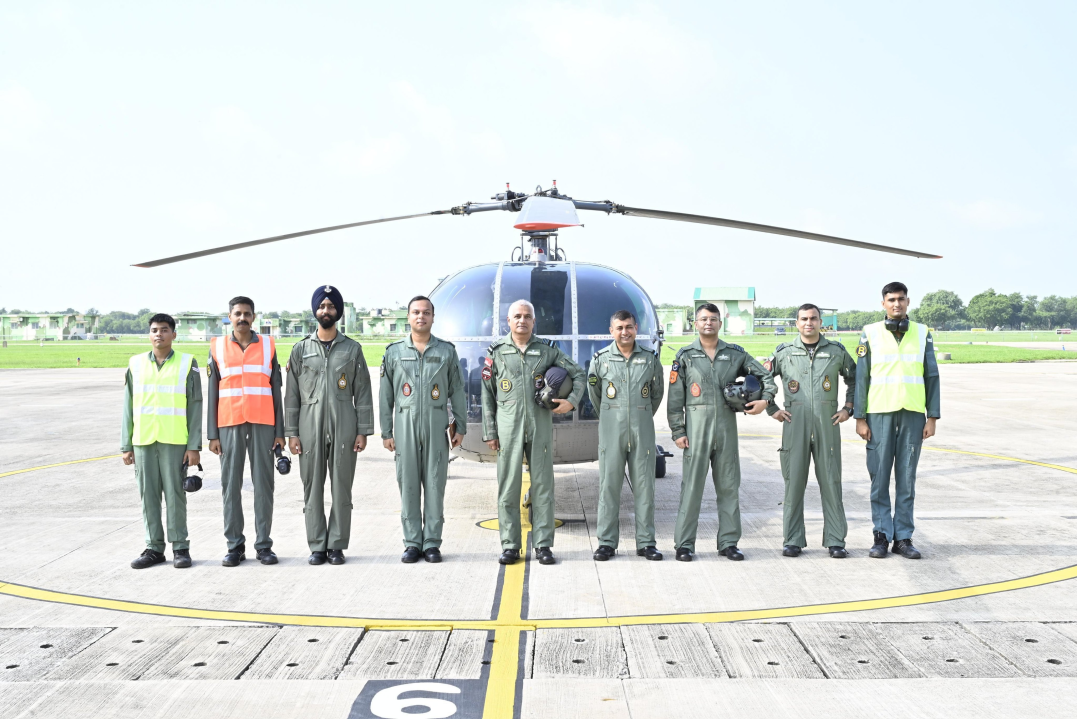
As part of his visit, the AOC-in-C conducted a sortie on a Chetak helicopter, which offered him an in-depth understanding of the training environment and ecosystem at the institution.
The Chetak helicopter, a longstanding asset of the Indian Armed Forces, continues to be used in training and operational roles. It aids young aviators in developing basic flying skills, situational awareness, and confidence before advancing to more complex stages of military aviation.
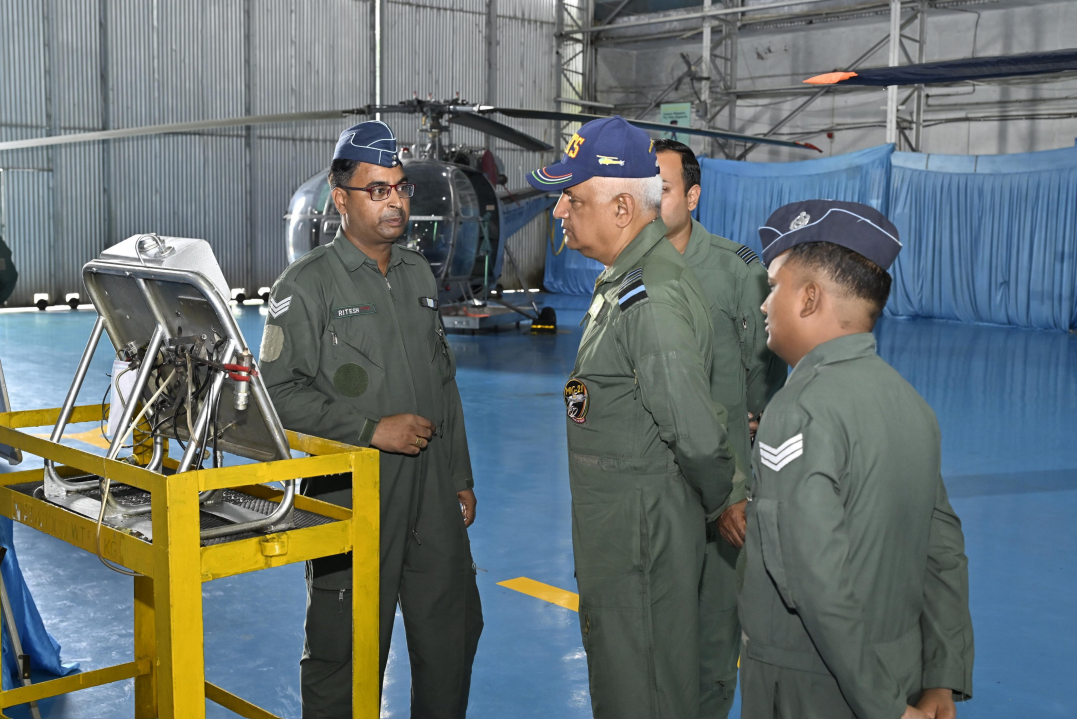
In his address to the personnel of the BFTS, Air Marshal Shrinivas underscored the importance of flight safety as a fundamental aspect of military aviation. He emphasized that operational effectiveness and quality training must be paired with a robust safety culture and strict adherence to established procedures.
He highlighted the need for professionalism and excellence at every level of flying training, noting the significant role instructors and support staff play in shaping the skills, judgment, and professional demeanor of future military aviators.
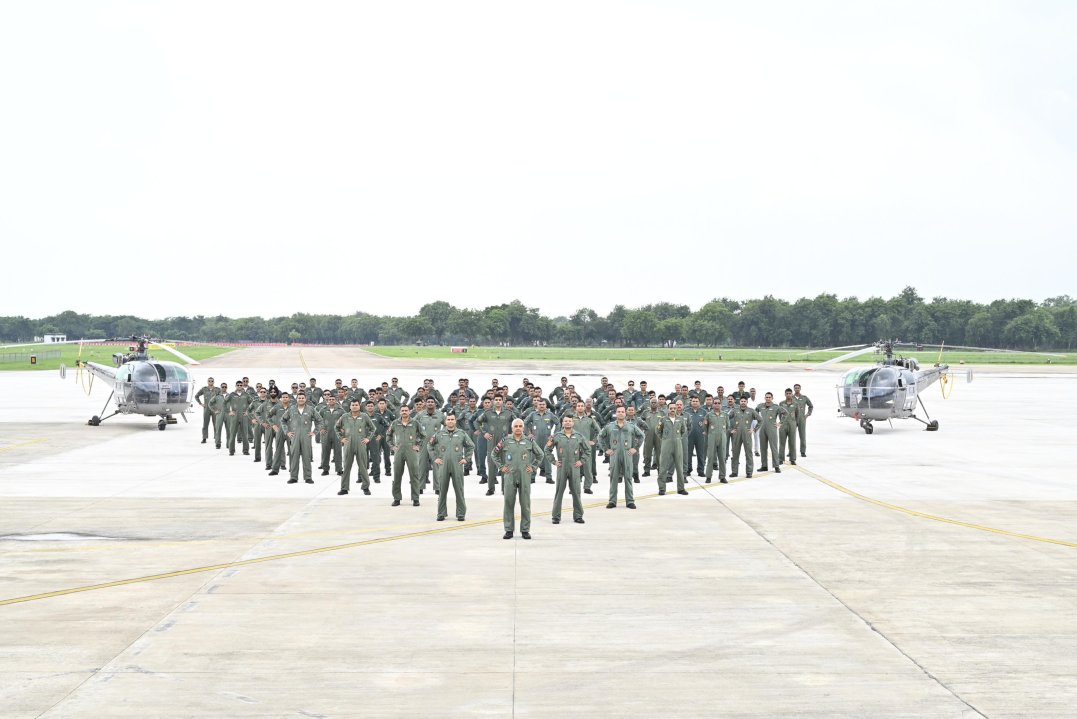
The AOC-in-C also addressed the necessity of modernizing military flying training systems in response to rapid technological advancements and changing air warfare dynamics.
He called for increased integration of technology into training, stressing the significance of objective assessment methods to accurately evaluate trainee pilots' progress. Technology-driven training methodologies can help instructors identify strengths, address deficiencies, and prepare aviators for increasingly complex operational environments.
Modern air operations demand that pilots navigate networked environments and coordinate with various platforms, sensors, and services. Training institutions must continuously update their instructional techniques to prepare aviators for future operational challenges.
Air Marshal Shrinivas also accentuated the role of jointmanship in military training. As BFTS trains aviators from different services, it presents an opportunity to foster inter-service understanding early in a pilot's career.
Joint training at the foundational level helps build a spirit of cooperation among Armed Forces personnel, enhancing their understanding of each service's operational roles, capabilities, and cultures.
This training approach gains even more significance as the Indian Armed Forces aim to strengthen joint planning and integrated operations. Modern conflicts increasingly require coordinated use of land, air, maritime, space, cyber, and other capabilities, making inter-service cooperation crucial for military success.
By training pilots from the Indian Army and Indian Coast Guard together, institutions like BFTS foster professional relationships and mutual understanding, aiding effective coordination in future operations.
The visit underscored the Indian Air Force's commitment to maintaining high instructional standards while modernizing its training philosophy. Training Command is tasked with developing skilled personnel to meet operational needs and support joint military objectives.
The emphasis on flight safety, technology-driven instruction, objective assessment, and jointmanship reflects the evolving demands on military aviation training establishments. Future aviators must not only demonstrate strong flying skills but also operate efficiently within advanced and integrated operational environments.
Air Marshal Shrinivas' visit to BFTS served as both an evaluation of the current training activities and a reinforcement of the priorities for future military aviation training.
The interaction with instructors, trainees, and personnel highlighted the significance of rigorous foundational training in producing confident, disciplined, and professionally capable military aviators equipped for future air warfare challenges.


