
Air Marshal George Thomas Discusses Strategic Role of Air Power at College of Defence Management

Air Marshal George Thomas, serving as the Air Officer Commanding-in-Chief of the Western Air Command, recently addressed participants of the Higher Defence Management Course (HDMC-22) at the College of Defence Management (CDM) in Secunderabad. His keynote speech focused on the evolving importance of air power in modern military operations, aiming to enhance the understanding of senior military officers on contemporary strategic and operational concepts, while promoting joint operations and multidomain military thinking.
The address highlighted the growing significance of air power as a decisive factor in today's warfare, emphasizing its integration with land, maritime, cyber, and space domains. Drawing from his extensive operational experience with the Indian Air Force, Air Marshal Thomas provided insights into the strategic use of air power across various military operations, emphasizing its role in achieving strategic goals, enhancing operational flexibility, and supporting joint force commanders.
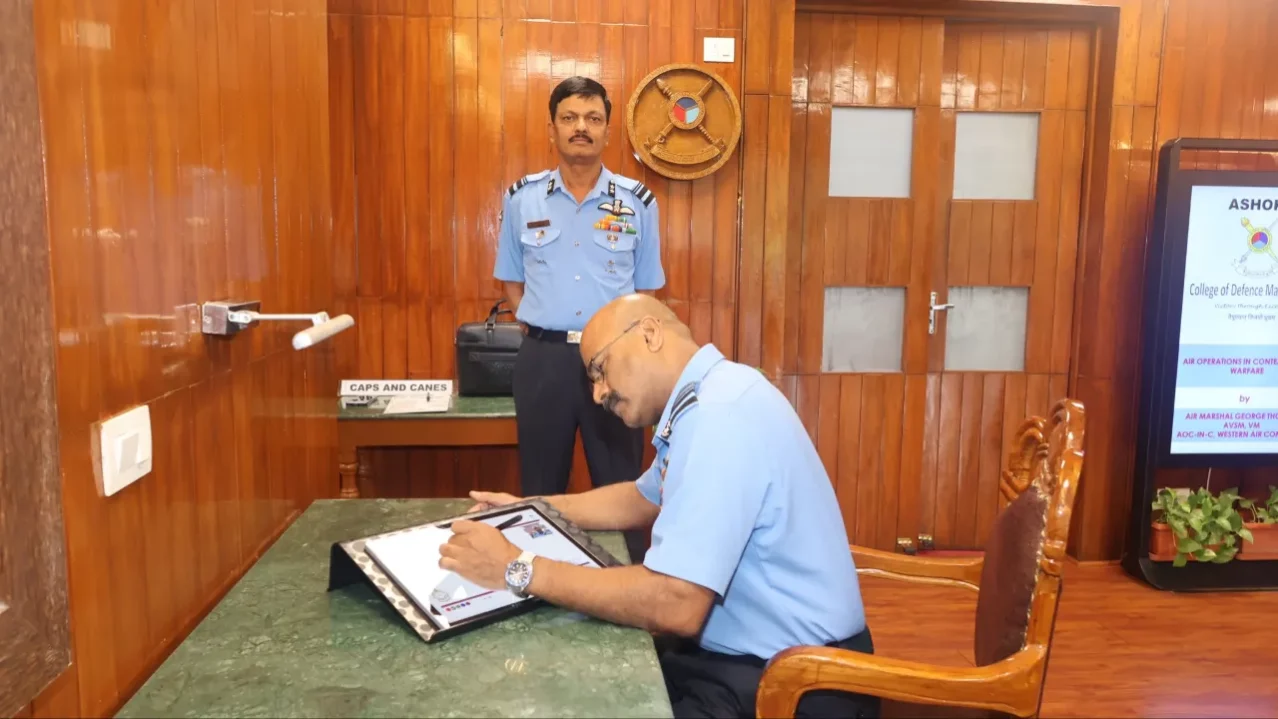
During his presentation, the Air Officer Commanding-in-Chief addressed the changing nature of warfare, influenced by technological advancements, precision weaponry, network-centric operations, and the increasing importance of information dominance. He stressed that air power serves as a critical force multiplier, offering rapid response, strategic reach, precision engagement, and continuous surveillance in both conventional and unconventional conflicts.
The lecture also delved into the coordination of air capabilities with ground operations, demonstrating how collaboration between the Indian Air Force and the Indian Army improves battlefield effectiveness. Drawing from his professional experience, Air Marshal Thomas provided practical insights into the planning, execution, and impact of air operations, enriching the discussion with real-world examples from contemporary military engagements.
Participants of HDMC-22 developed a comprehensive understanding of the dynamic role air power plays in shaping operational outcomes. The session encouraged officers to incorporate an integrated approach to military planning, recognizing the increased demand for seamless coordination among the three Services across multiple operational domains in future conflicts.
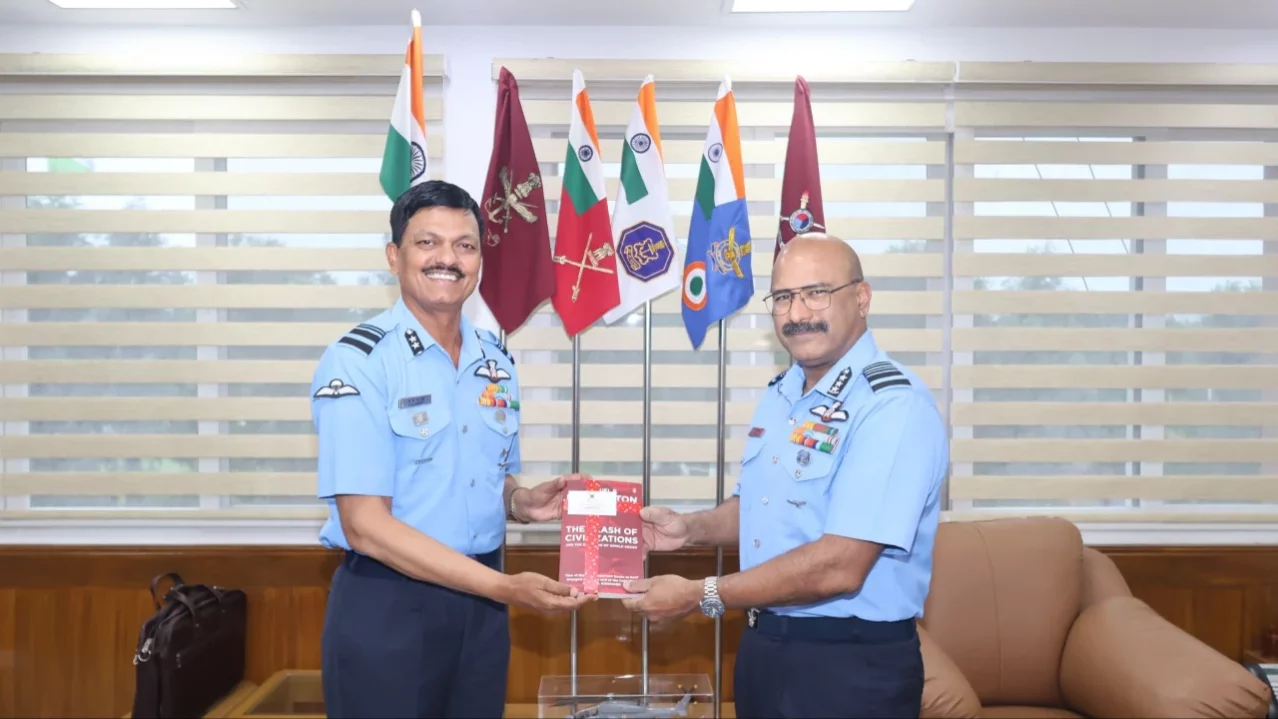
During his visit to the College of Defence Management, Air Marshal Thomas also engaged with officers from friendly foreign countries attending the course. This interaction facilitated professional exchange, allowing participants to discuss emerging security challenges, evolving military doctrines, and leadership experiences collaboratively.
The engagement highlighted India's ongoing commitment to enhancing defence cooperation and military diplomacy through professional military education. The involvement of international officers at CDM aids in exchanging best practices, fostering mutual understanding, and strengthening long-term strategic partnerships with allied nations.
The College of Defence Management, operating under the Headquarters Integrated Defence Staff (HQ IDS), is a leading institution in India for higher military education. It offers specialised courses for senior officers of the Indian Armed Forces and international officers, focusing on defence management, strategic leadership, resource planning, joint operations, and national security decision-making.
The Higher Defence Management Course equips senior military leaders for higher command and staff roles by developing expertise in strategic management, operational planning, and inter-service coordination. Through interactions with distinguished military leaders and subject-matter experts, participants gain deeper insights into the evolving security environment and the complexities of modern warfare.
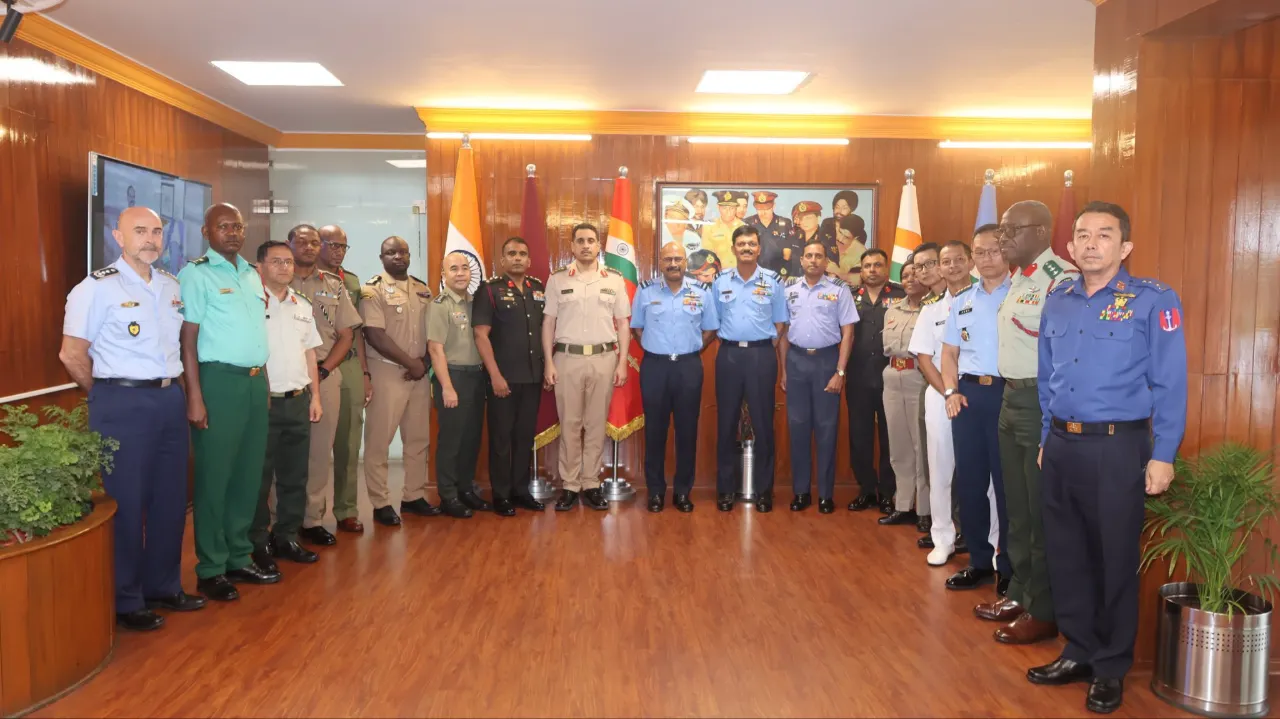
Air Marshal George Thomas's address significantly enhanced the academic and professional value of HDMC-22, offering participants a detailed understanding of contemporary military strategy's vital dimensions. His lecture emphasized the essential role of air power in operational success and reinforced the importance of jointness, innovation, and integrated military planning to prepare the Indian Armed Forces for future security challenges.


