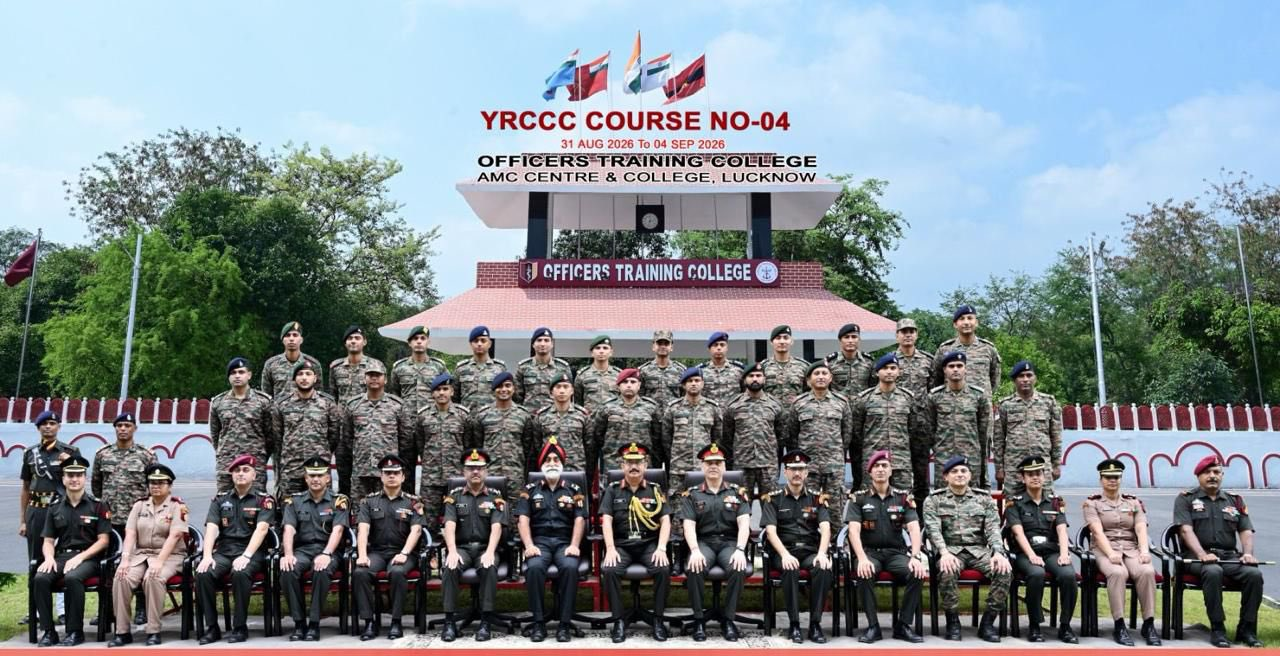
24 Indian Army Officers Complete Yodha Rakshak Combat Casualty Care Course in Lucknow

Twenty-four young Indian Army officers have completed the fourth edition of the Yodha Rakshak Combat Casualty Care Course, a specialised training programme designed to give non-medical leaders the skills needed to respond to battlefield injuries in the crucial first moments after a casualty occurs.
The course was held from August 31 to September 3, 2026, at the Officers Training College (OTC), Army Medical Corps Centre and College in Lucknow. It brought together young Army leaders for focused instruction in battlefield trauma care, tactical casualty evacuation and other lifesaving interventions that may be required during combat operations.
The Director General Armed Forces Medical Services (DGAFMS) congratulated the 24 participants on successfully completing the training, which is aimed at preparing officers who are not from the medical branch to provide immediate assistance when specialised care is not yet available.
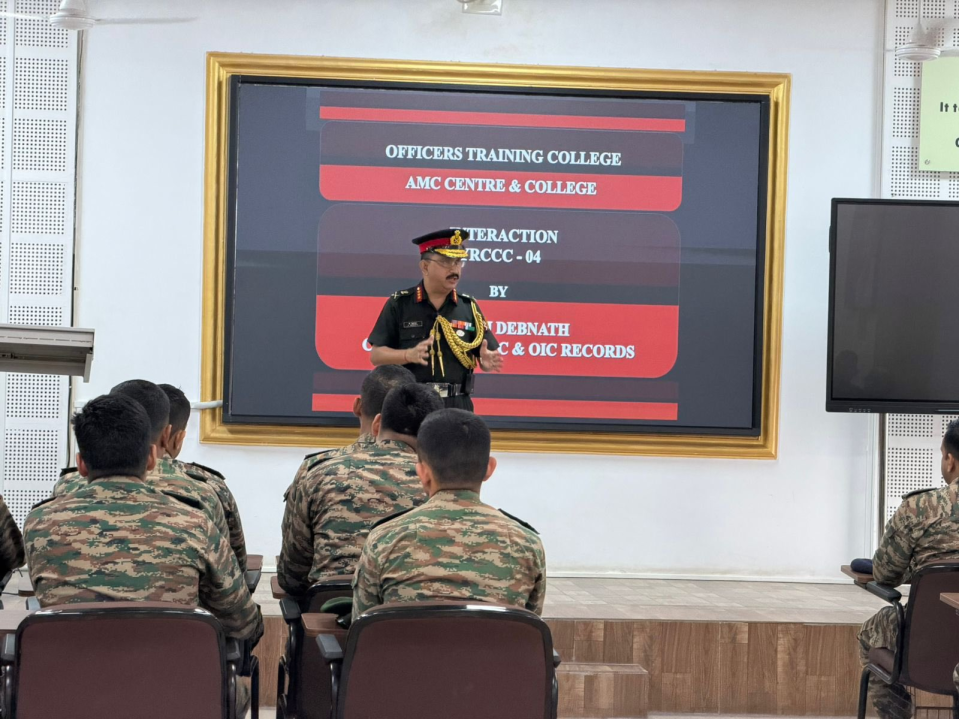
According to the programme’s focus, the training is built around the need to stabilize wounded personnel as quickly as possible in forward or high-pressure situations. That emphasis reflects the “golden hour” principle, under which rapid medical intervention after a serious injury can make a major difference to a casualty’s chances of survival.
The course also places participants in realistic combat scenarios so they can practise responding under the uncertainty, stress and time pressure that typically define battlefield conditions. The aim is not only to teach procedures, but to help young officers develop the confidence to act decisively when every minute matters.
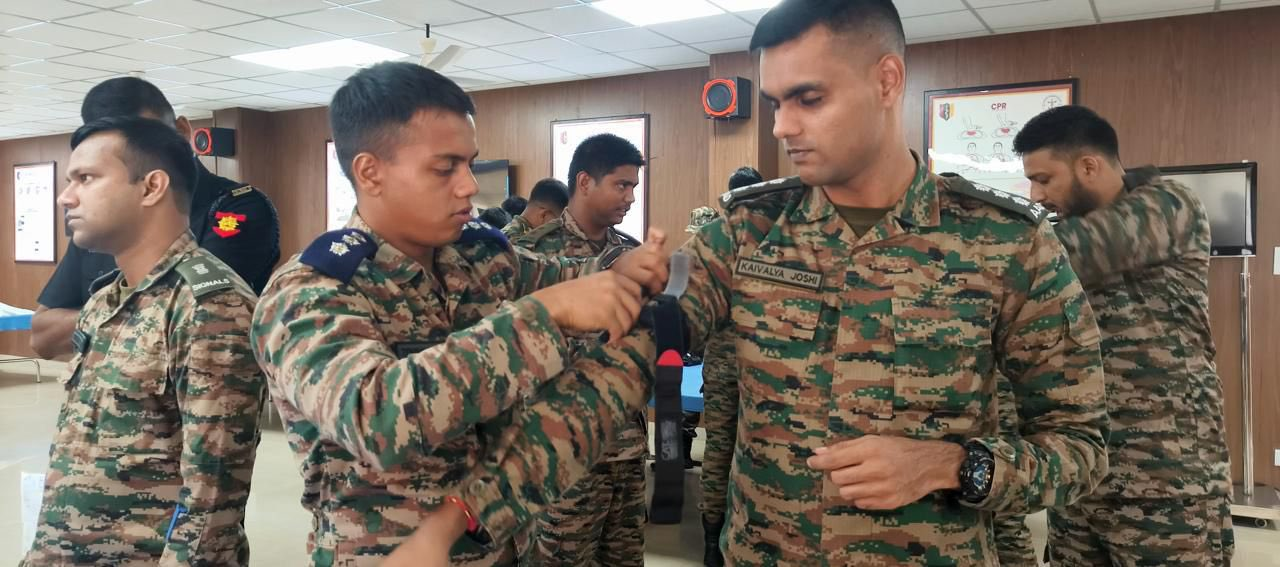
By equipping non-medical military leaders with combat casualty care capabilities, the Yodha Rakshak course is intended to strengthen frontline medical preparedness across Army units. The training is meant to improve the ability of officers and soldiers to manage injuries during the critical initial phase before trained medical teams and facilities take over.