
Surgical Vice Admiral Arti Sarin Evaluates Readiness of Dehradun Military Field Hospitals

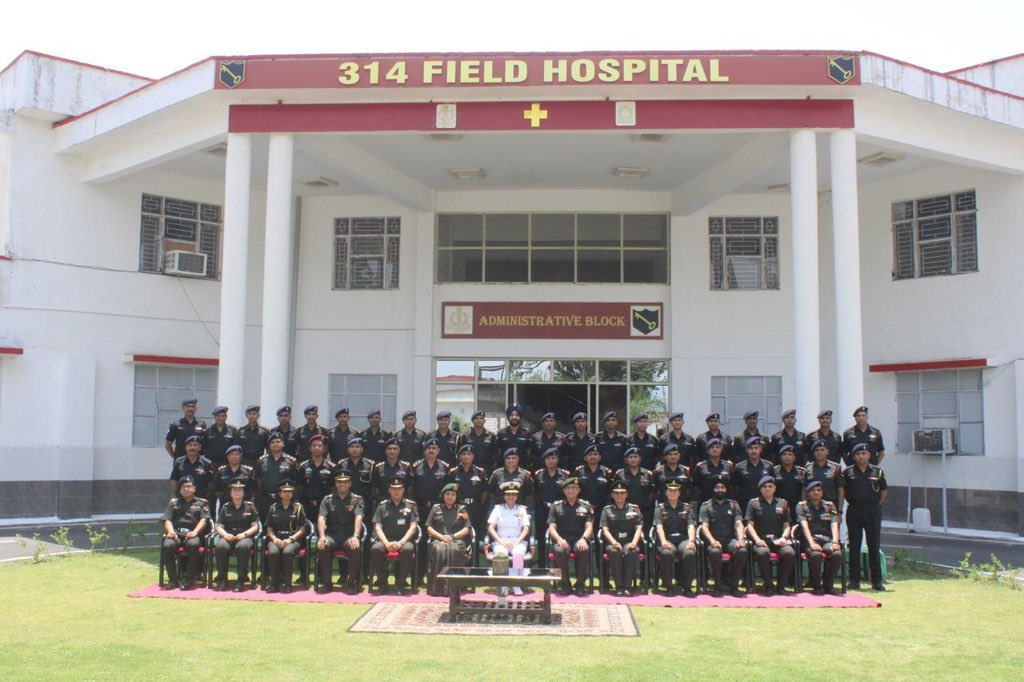
Surg Vice Admiral Arti Sarin, the Director General of Armed Forces Medical Services, recently conducted a visit to the Field Hospitals located at Clement Town and Garhi Cantt within the Dehradun Military Station. The purpose of the visit was to evaluate the operational readiness, functionality, and capabilities of these essential field medical units.
This visit underscored the ongoing commitment of the Armed Forces Medical Services to provide prompt and efficient healthcare support to military personnel in both peaceful and operational settings.
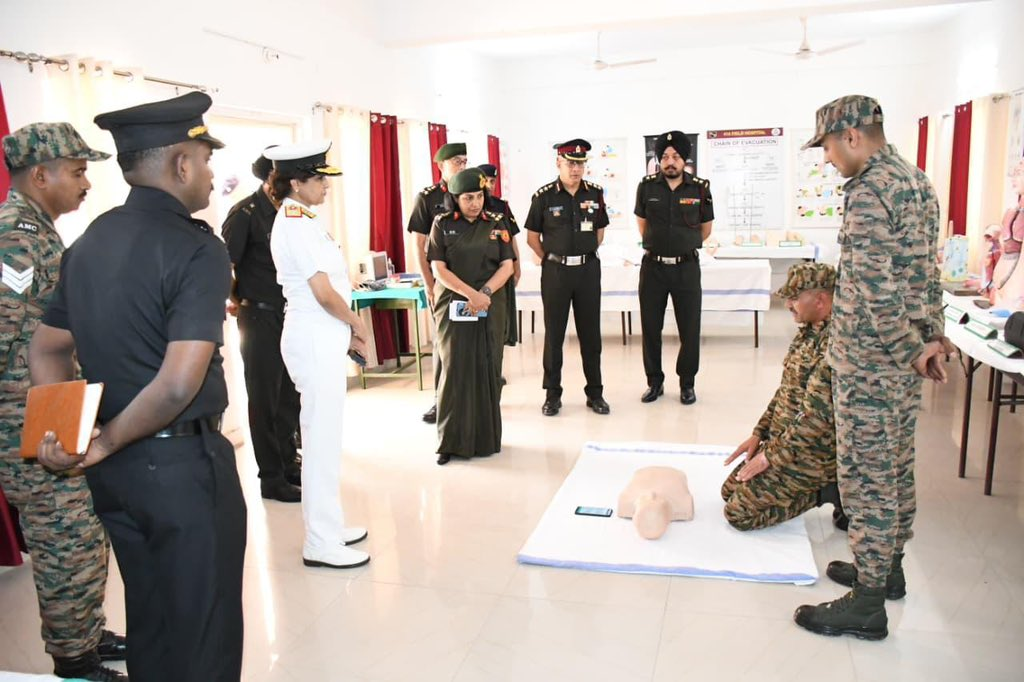
Throughout the visit, various aspects such as patient care, medical infrastructure, training standards, and operational preparedness were thoroughly reviewed by the Flag Officer. She received detailed briefings on the current capabilities of the field hospitals, their support role for formations, and their readiness to handle different medical emergencies during operational situations.
Vice Admiral Sarin conducted a detailed assessment of the patient care standards upheld by these medical units. Additionally, she evaluated the training methods employed by the medical staff and the systems established for a rapid response to operational demands.
Field hospitals serve a vital function within the military medical system by offering immediate and advanced medical care near operational zones. Their effectiveness directly impacts casualty management, boosts troop morale, and contributes to mission success.
The DGAFMS commended the medical teams for their efforts and stressed the importance of maintaining high levels of professionalism, discipline, and readiness at all times.
During her exchanges with officers and medical staff, the DGAFMS offered insights into enhancing capabilities, integrating new technologies, and ensuring future readiness of field medical units.
She emphasized the necessity of updating medical capabilities to align with emerging operational challenges, focusing on modernizing medical support with better equipment, enhanced training, more efficient evacuation protocols, and the adoption of appropriate technologies.
The visit highlighted the significance of preparing medical units for varied operational circumstances, which include high-intensity operations, disaster response, mass casualty events, and deployments in remote areas.
Several operational and medical exercises were conducted during the visit to demonstrate the capacity of AFMS personnel to deliver swift, effective, and mission-ready medical support.
These exercises showcased the field hospitals' readiness to operate efficiently under challenging conditions. They highlighted the Armed Forces Medical Services' capability to provide timely medical intervention, stabilization, and evacuation support across diverse operational environments.
Such drills are crucial for assessing response mechanisms, coordination, casualty management procedures, and the overall efficiency of field medical teams.
Surg Vice Admiral Arti Sarin also engaged with the troops and medical personnel stationed at the field hospitals, praising their dedication, professionalism, and commitment to delivering quality medical care to soldiers and their families.
In recognition of their exemplary service and dedication, the DGAFMS awarded Certificates of Appreciation to deserving personnel, boosting morale and emphasizing their critical role in supporting the Armed Forces' operational effectiveness.
The visit to the Field Hospitals at Clement Town and Garhi Cantt reinforced the Armed Forces Medical Services' pledge to uphold high standards in military healthcare.
Through a focus on patient care, operational readiness, technological advancement, and continuous training, the AFMS remains crucial in ensuring timely and effective medical support for troops wherever needed.
This inspection also highlighted the essential role of field medical units as a cornerstone of operational preparedness, capable of delivering life-saving care in demanding and dynamic settings.


