
Lt Gen Pratik Sharma Reviews Counter-Terrorism Grid, Operational Preparedness in South Kashmir

Northern Army Commander Lieutenant General Pratik Sharma on Saturday reviewed the counter-terrorism grid in South Kashmir, assessing the prevailing security situation and the operational readiness of troops deployed in the region.
During the visit, he was briefed on the current security scenario and on the measures being carried out by the formations responsible for counter-terrorism duties in South Kashmir. The review focused on the preparedness of units tasked with responding to threats in an area that remains central to the Army’s security posture in Jammu and Kashmir.
Lt Gen Sharma underlined that adaptability, precision, sustained vigilance and synergy are key to successful intelligence-driven operations. According to the Army, these qualities are essential for ensuring a swift and effective response to emerging security challenges.
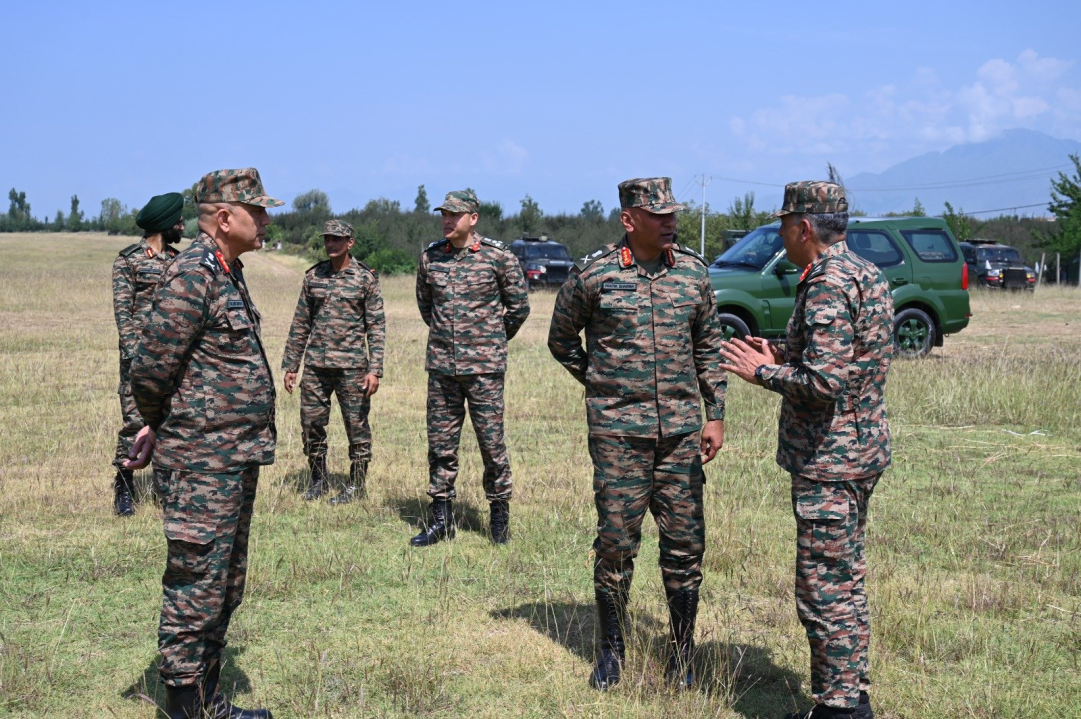
The review comes as the Army continues to maintain a strong counter-terrorism grid in South Kashmir, where intelligence-led operations and close coordination among security agencies remain central to operational planning. The emphasis on coordination reflects the need to keep forces prepared for threats that can evolve quickly on the ground.
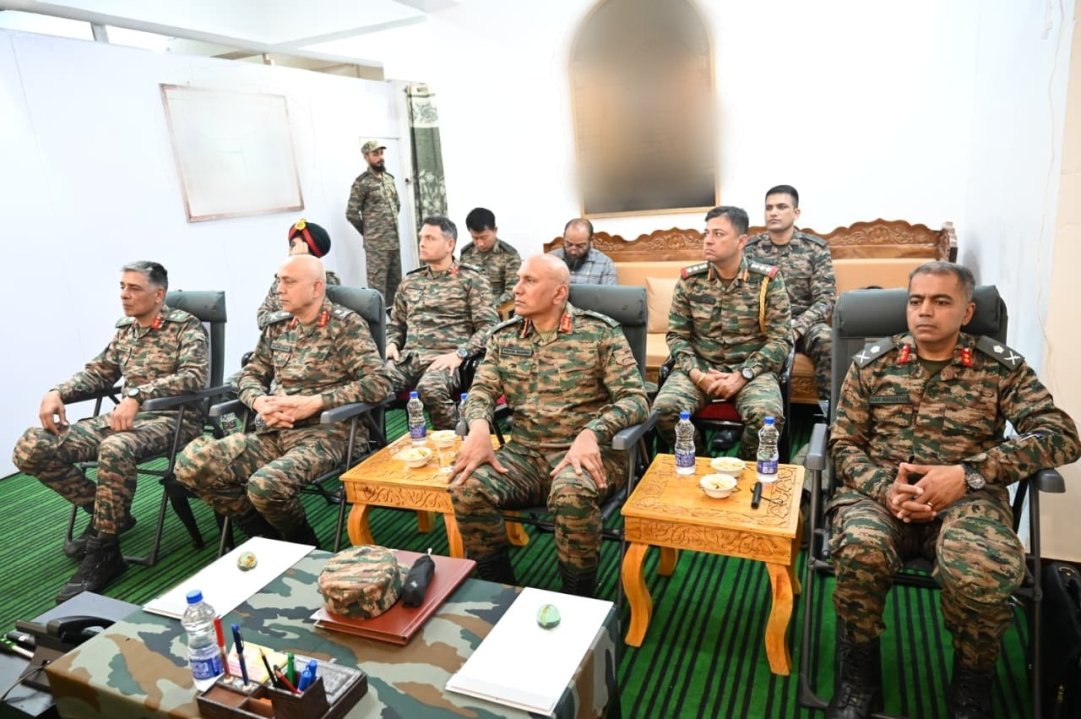
Lt Gen Sharma also interacted with the troops deployed in the region and appreciated their indomitable spirit and dedication to maintaining security. He commended the personnel for their commitment to keeping the region free from terrorism and for contributing to peace and stability.
This is the latest in a series of operational assessments conducted by the Northern Army Commander in South Kashmir. Earlier this month, he had visited hinterland units in the region and called for sustained alertness, mission readiness and close coordination among stakeholders while dealing with evolving security challenges.
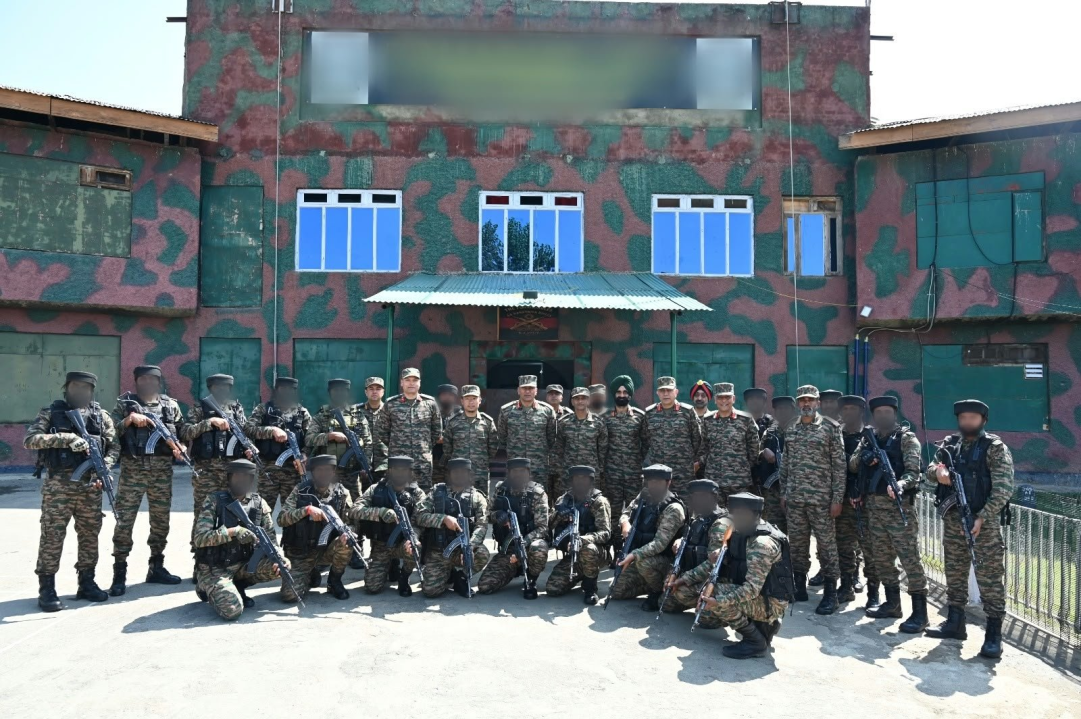
The Northern Command is responsible for strategically sensitive areas across Jammu and Kashmir and Ladakh, where counter-terrorism preparedness, intelligence-based operations and inter-agency coordination continue to form important parts of its operational approach.


