
Lt Gen Neeraj Varshney Highlights AI and Emerging Technology in Military Logistics at MILIT

Lieutenant General Neeraj Varshney, Commandant of the Military College of Electronics and Mechanical Engineering (MCEME), spoke at the Military Institute of Technology (MILIT) on how emerging technologies are changing the way armed forces plan, move and sustain military operations.
The talk was delivered to participants of DSTSC-09 and centred on the theme “Impact of Emerging Technology on Operational Logistics.” Lt Gen Varshney used the session to explain how advances in technology are reshaping military logistics, which covers the planning, management and delivery of supplies, equipment and support needed to keep operations running.
According to the General Officer, emerging technologies are helping improve operational agility and resilience. He pointed to several areas where these tools are becoming increasingly relevant, including AI-based forecasting, predictive maintenance, efficient supply-chain management, autonomous systems, real-time battlefield visibility and smarter handling of critical resources.
Artificial Intelligence and other data-driven systems, he said, can help military planners anticipate logistical requirements more accurately. That, in turn, can improve how resources are allocated and speed up the delivery of supplies and equipment to troops operating in difficult environments.
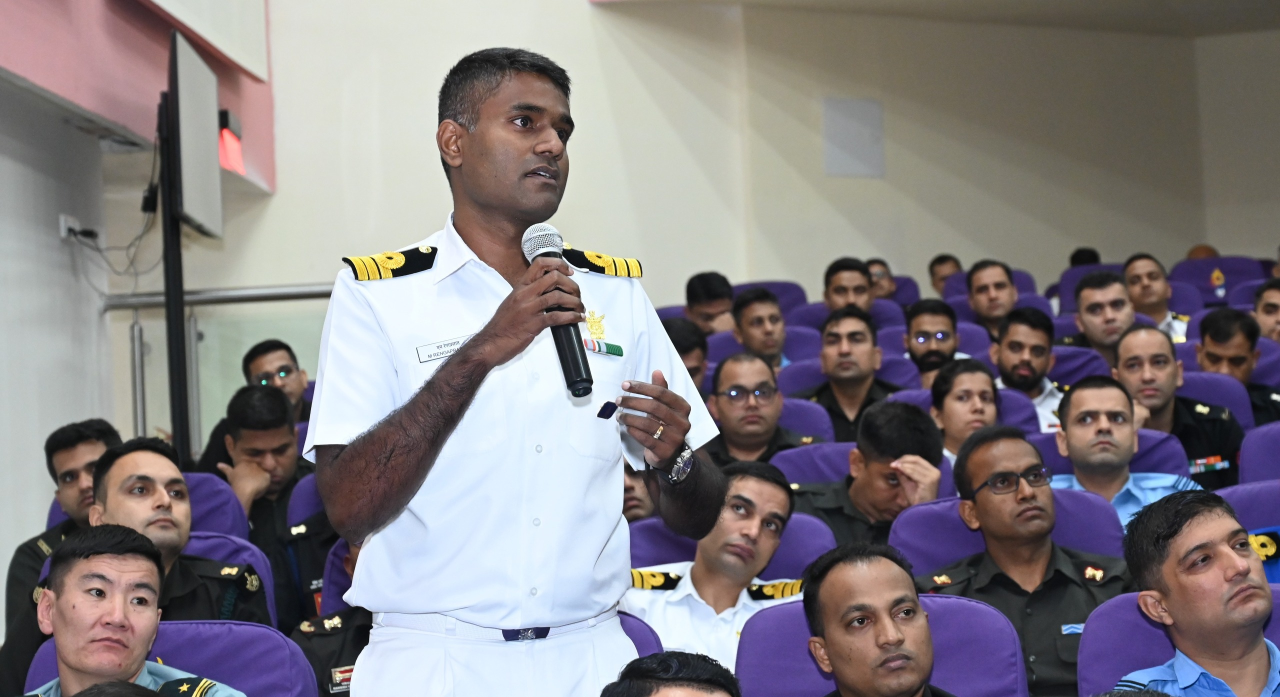
He also highlighted predictive maintenance as a major shift in military logistics. By identifying possible equipment failures before they happen, such systems can help keep platforms available for longer and reduce downtime during operations.
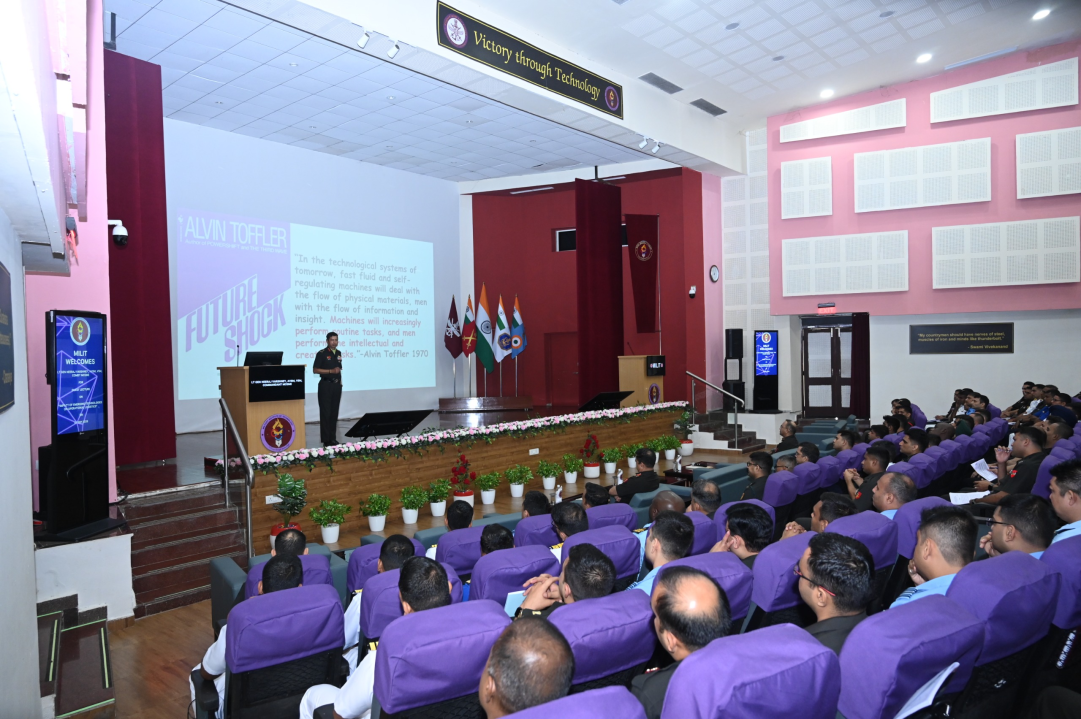
Another key focus of the interaction was the challenge of sustaining forces in contested environments. Lt Gen Varshney noted that conventional supply chains can be disrupted in such conditions, forcing commanders to take rapid decisions as battlefield circumstances continue to change.
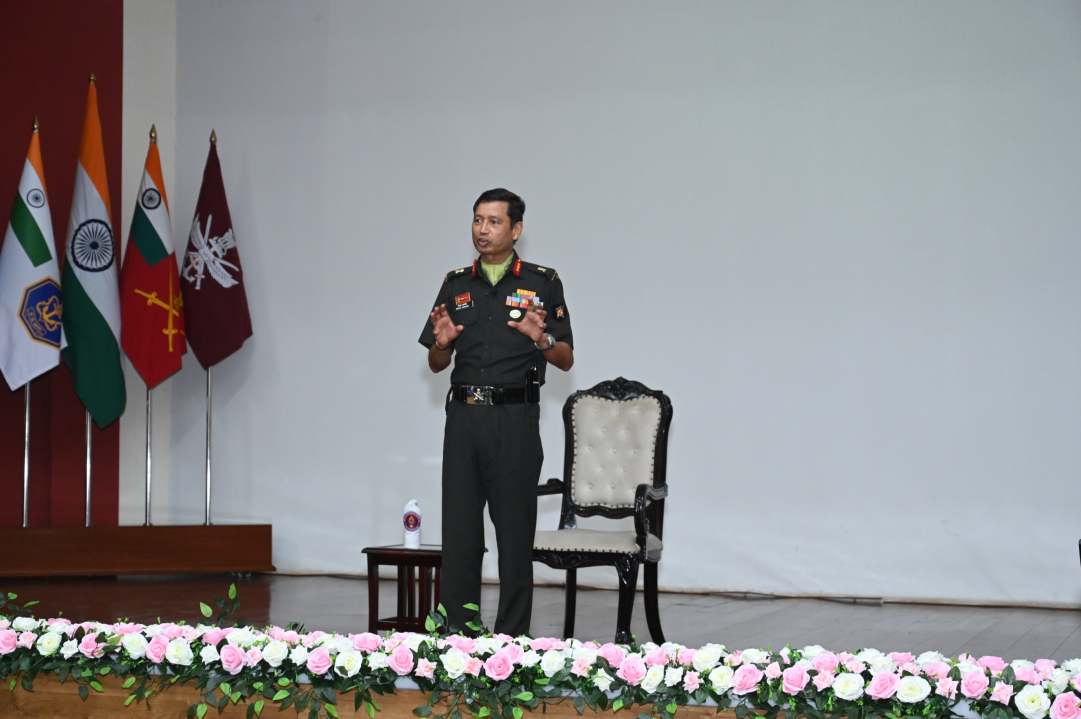
He said autonomous systems, improved battlefield visibility and intelligent logistics networks are increasingly able to give commanders better situational awareness while making the logistics chain faster, more responsive and more resilient.
The session also reflected a broader operational lesson: no two wars are the same. As the nature of conflict continues to evolve, logistics too must remain flexible enough to meet different operational demands.
The discussion at MILIT came against the backdrop of the Armed Forces’ growing focus on using emerging technologies to improve preparedness and build logistics systems that can support future battlefields.


