
Lt Gen Harsh Chhibber Flags AI-Driven Digital Transformation for Northern Command

Lieutenant General Harsh Chhibber, AVSM, VSM, PhD, Director General of Information Systems, interacted with personnel of Northern Command on the theme “Digital Transformation and AI Applications”, setting out the Indian Army’s growing focus on artificial intelligence and other emerging technologies as tools for improving operational effectiveness.
The discussion centred on efforts to build an AI-enabled ecosystem for a future-ready Army and to ensure that such capabilities can be smoothly adopted across the formations under Northern Command. According to the interaction, the Army is looking at technology not as a standalone addition, but as part of a wider effort to combine innovation, institutional coordination and operational utility as warfare changes in character.
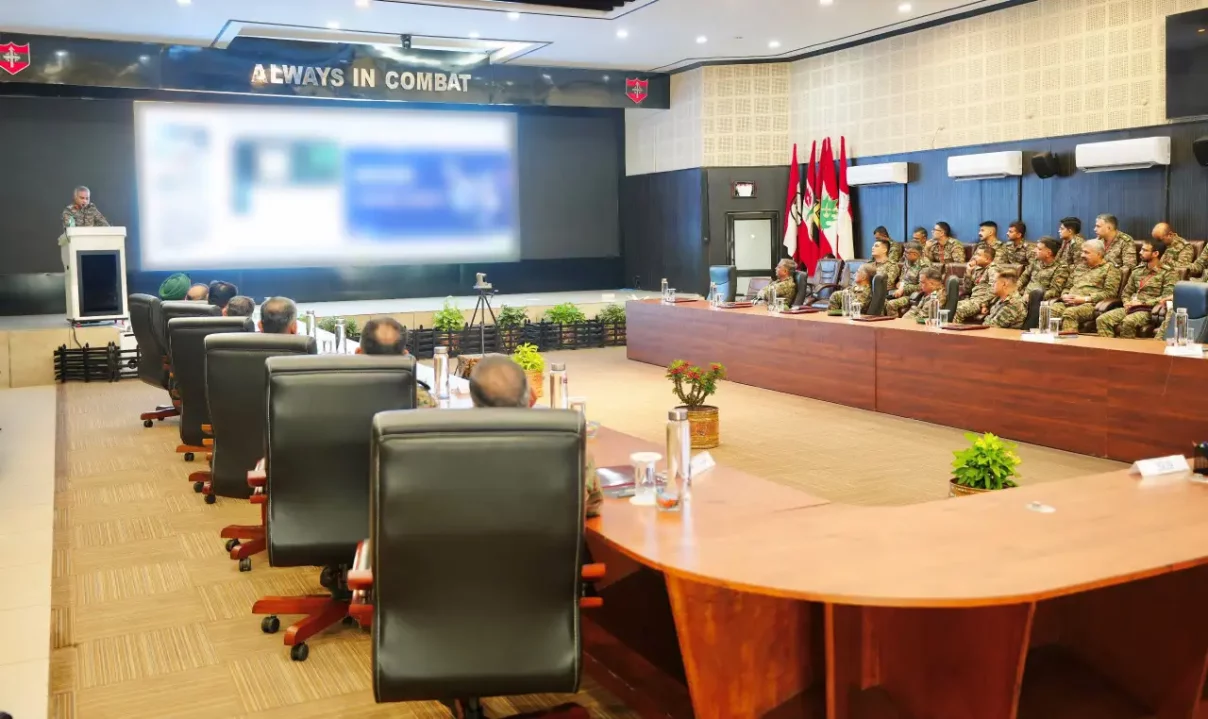
Artificial intelligence is increasingly being viewed as a core element of modern military transformation. Its applications can extend to information processing, decision support, intelligence analysis and operational planning, among other areas. For a formation such as Northern Command, which operates across a large and geographically dispersed area, the effective use of these technologies can strengthen commanders’ ability to respond to a security environment that is becoming more complex.
A key point raised during the interaction was that digital transformation cannot succeed through technology alone. The Army’s ability to absorb AI-enabled capabilities depends on whether personnel at different levels are able to understand, employ and adapt them in line with operational requirements. That makes human readiness and organisational adaptation as important as technical development.
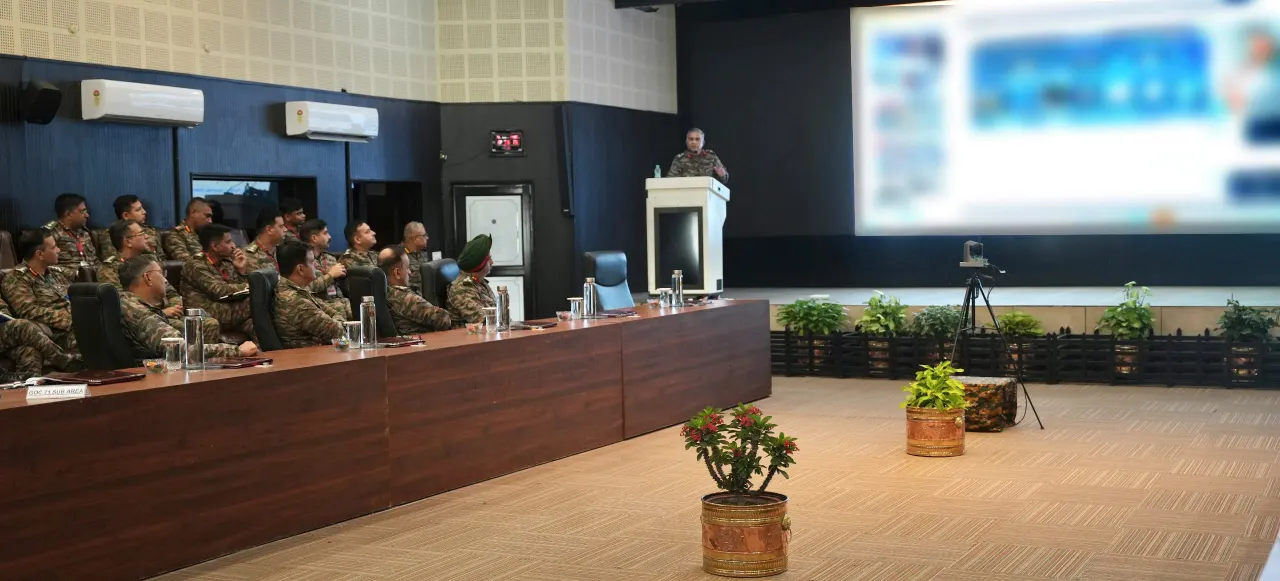
The broader emphasis on digital transformation also reflects the Indian Army’s ongoing effort to modernise its information architecture and build a more technology-enabled force. Digital systems can speed up the flow of information, improve connectivity between levels of command and support more timely and informed decision-making. In a military environment where speed and accuracy matter, these changes can have direct operational value.
For Northern Command, the relevance of such transformation is especially pronounced because of the complexity of its operational environment and the need to remain in a constant state of readiness. An AI-enabled ecosystem can help commanders process and exploit large volumes of information more efficiently while improving the integration of data and operational inputs from multiple sources.
At the same time, the interaction made clear that effective technology adoption depends heavily on human expertise. The need to foster a culture of innovation, technological absorption and synergy among formations and personnel was highlighted as essential to ensuring that new capabilities are used across the force, rather than remaining confined to specialist technical domains.
Lt Gen Chhibber’s engagement with Northern Command also pointed to the need for future-ready military leadership. As emerging technologies become more prominent in military operations, commanders and personnel will increasingly need to combine traditional soldiering skills with an understanding of digital tools and AI-driven capabilities. That shift is becoming more relevant as militaries worldwide adapt to faster, more technology-intensive forms of warfare.
Advances in artificial intelligence are changing how quickly information can be processed, analysed and turned into operational decisions. In that context, the Army’s focus on innovation is tied not only to capability development but also to the speed at which formations can adapt to new operational realities.
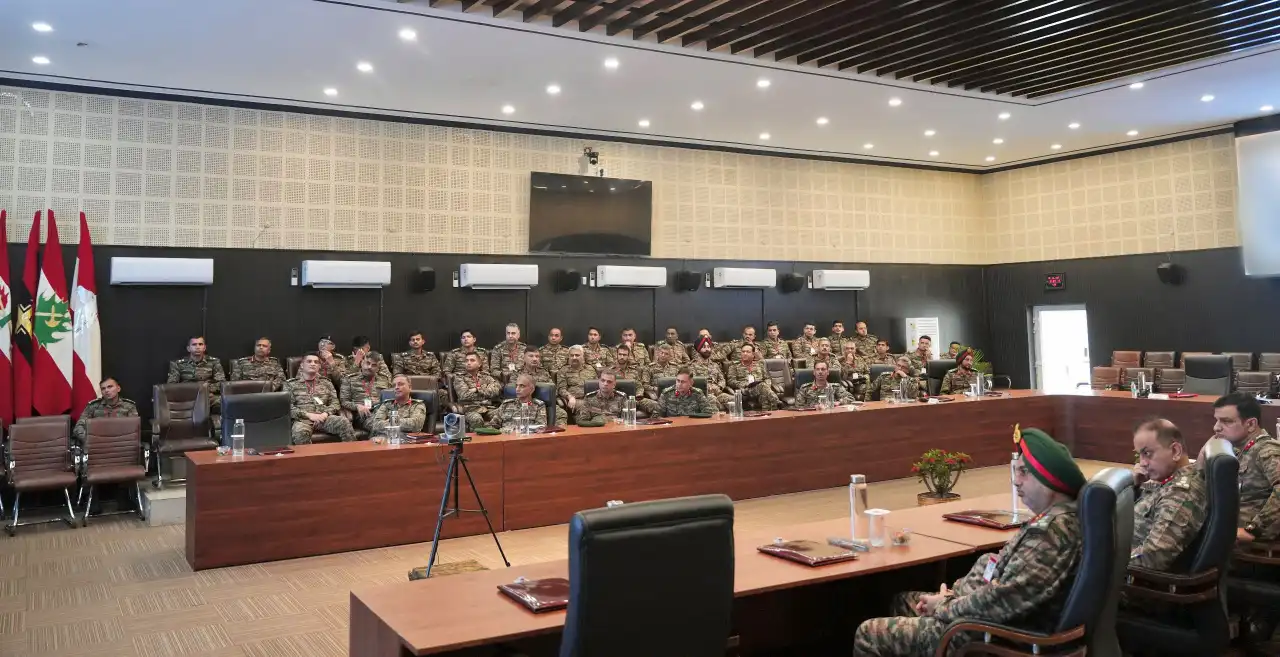
The interaction also underlined the importance of interoperability and coordination across formations. A technology ecosystem, rather than a collection of isolated tools, is seen as necessary to ensure that individual initiatives contribute to a broader operational architecture. This approach can help align technological solutions with battlefield requirements and the Army’s evolving operational needs.
Synergy emerged as another central theme. Greater coordination between operational formations, technology specialists and other stakeholders can make it easier to identify requirements, develop relevant solutions and integrate them into military structures in a practical way. The aim, as reflected in the interaction, is to ensure that technology serves as an operational enabler.
For the Indian Army, the objective is therefore not merely to introduce artificial intelligence in a limited sense, but to create an ecosystem capable of absorbing and applying emerging technologies effectively. That involves developing suitable systems, encouraging innovation and ensuring that personnel are trained to use new capabilities in realistic operational settings.
The engagement with Northern Command reaffirmed that technology, innovation and synergy are being treated as important pillars in the Army’s effort to retain an operational edge. As the security landscape becomes increasingly technology-intensive, the capacity to adapt quickly to emerging tools and methods will remain central to military preparedness.
In that sense, the initiatives discussed by the Director General of Information Systems reflect a wider institutional push towards a digitally enabled and technologically agile force. The message from the interaction was clear: artificial intelligence and digital transformation will play a growing role in shaping the future-ready Indian Army, but their value will depend on how effectively they are integrated by people, formations and command structures across the force.


