
Lt Gen Dhiraj Seth Evaluates Joint Military-Civil Training for CISF at Southern Command in Bhopal

Lieutenant General Dhiraj Seth, PVSM, UYSM, AVSM, who serves as the General Officer Commanding-in-Chief of the Southern Command, visited the Military–Civil Fusion Node at Bhopal. His visit aimed to oversee a specialized two-week training program designed for 50 members of the Central Industrial Security Force (CISF). The focus of this initiative is to enhance the security protocols at airports and improve the ability to respond to emergencies.
This training is part of collaborative efforts to reinforce Military–Civil cooperation in the protection of key infrastructure. Expert trainers from the Para (Special Forces) units of the Indian Army, alongside the National Security Guard (NSG), are delivering instruction in advanced operational techniques, Close Quarter Battle (CQB) maneuvers, and crisis management procedures, all tailored to address new security challenges.
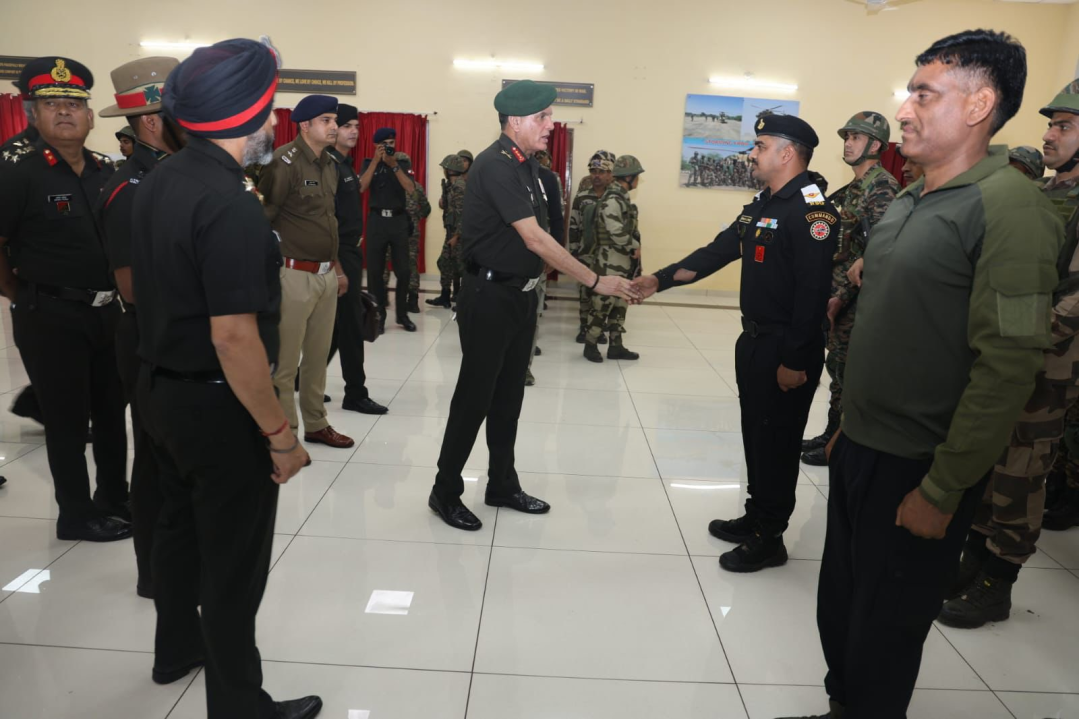
The training program is methodically designed to include real-time simulation exercises, coordination modules, and advanced response strategies to boost joint readiness. The program will conclude with a high-intensity validation exercise at Bhopal Airport. This exercise is set to evaluate the coordination between agencies, the speed of response, and the operational efficiency in a dynamic airport security setting, aiming to reinforce a cohesive, technology-driven, and highly responsive national security framework.
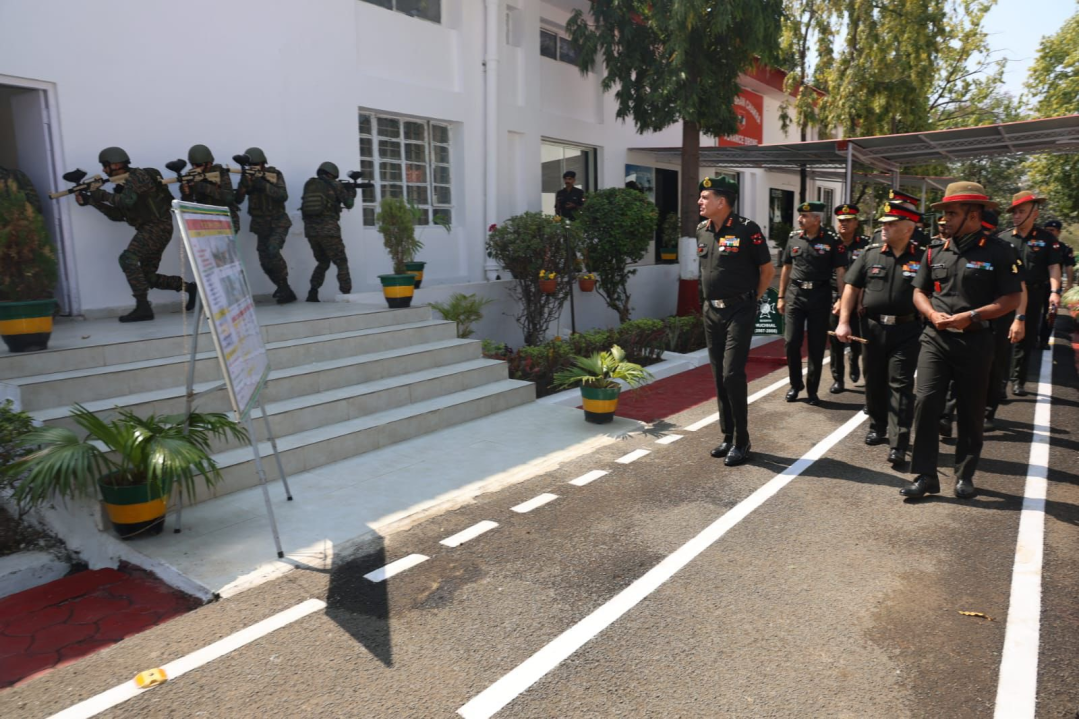
During his visit, Lt Gen Seth observed a live demonstration of advanced Tactics, Techniques, and Procedures (TTPs) carried out by the instructors and CISF personnel working in unison. He praised both the instructors and the trainees for their professionalism, clarity in operations, and collaborative spirit.
The Army Commander highlighted the importance of bolstering the partnership between military forces and central armed police forces to tackle complex and evolving security threats. This initiative underscores a shared national commitment to protect vital infrastructure and enhance readiness against emerging threats through integrated and technologically advanced frameworks.


