
Air Marshal JS Mann Evaluates Operational Preparedness at Sulur, Participates in LCA Tejas Mission

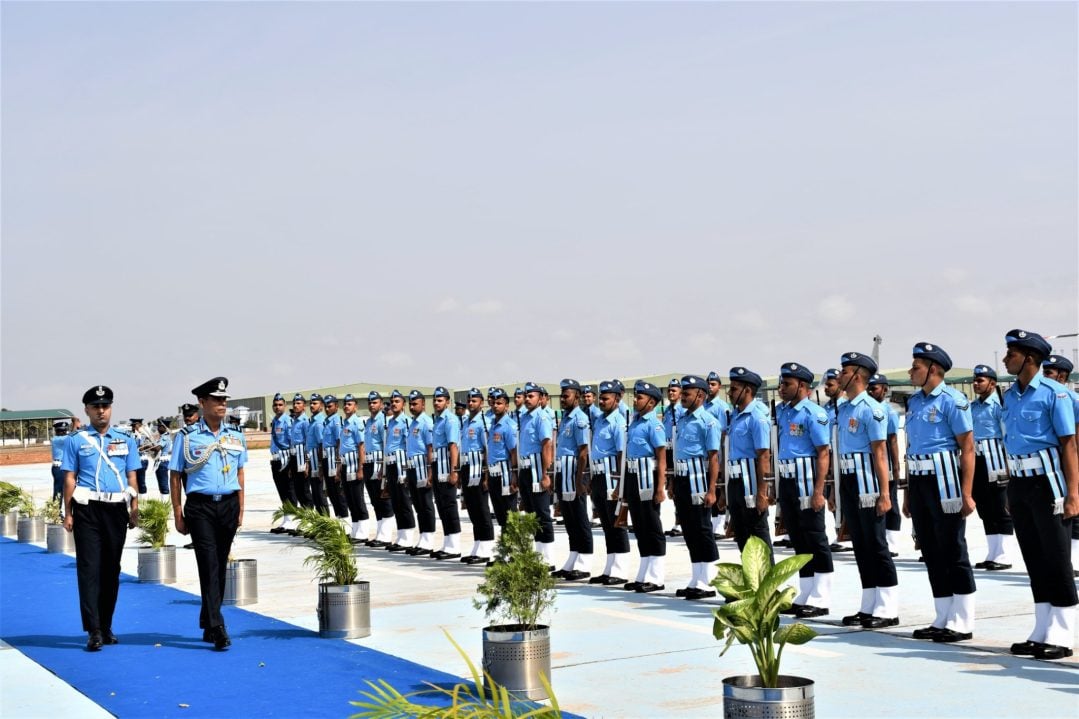
Air Marshal JS Mann, AVSM, VM, the commanding officer of the Indian Air Force's Southern Air Command, recently conducted an important visit to Air Force Station Sulur. His visit aimed to evaluate the readiness of combat units responsible for the defense of Peninsular India and the strategic Indian Ocean Region (IOR). This visit underscored the Indian Air Force's commitment to maintaining combat readiness while fostering indigenous aeronautical development, aligned with the Aatmanirbhar Bharat initiative.
During his time at Sulur, Air Marshal Mann reviewed the operational capacity of frontline units dedicated to air defense and the protection of India's strategic interests in the southern region. Air Force Station Sulur, a significant operational hub for the Indian Air Force, plays a crucial role in safeguarding the nation's maritime borders and supporting activities within the Indian Ocean Region.
The Southern Air Command is tasked with securing India's southern airspace and maritime routes, providing extensive support over a large area that includes essential sea lanes and maritime infrastructure. As the Indian Ocean Region gains prominence in strategic considerations, the command's mission focuses on maintaining readiness and swift response capabilities.
A notable aspect of Air Marshal Mann's visit was his participation in a combat interception mission on the indigenous Light Combat Aircraft (LCA) Tejas. His involvement in this mission highlighted the Indian Air Force's trust in the country's indigenous aerospace prowess and marked significant progress in India's defense manufacturing sector.
The LCA Tejas is a milestone in India's indigenous defense achievements, vital to enhancing the operational potency of the Indian Air Force. This aircraft is designed for a variety of roles, including air defense, interception, and offensive operations, representing India's strides toward self-reliance in advanced military technology. Air Marshal Mann's participation in a mission aboard the Tejas underscored the Air Force's dedication to leveraging indigenous solutions for future operational needs.
The visit also emphasized the critical role air power plays in maritime dominance and regional stability in the Indian Ocean Region. Modern aerial capabilities offer the flexibility necessary for diverse operations such as air defense, maritime surveillance, force projection, humanitarian assistance, disaster relief, and strategic deterrence. The Indian Air Force's integration into India's maritime security framework is pivotal for national interests in the region.
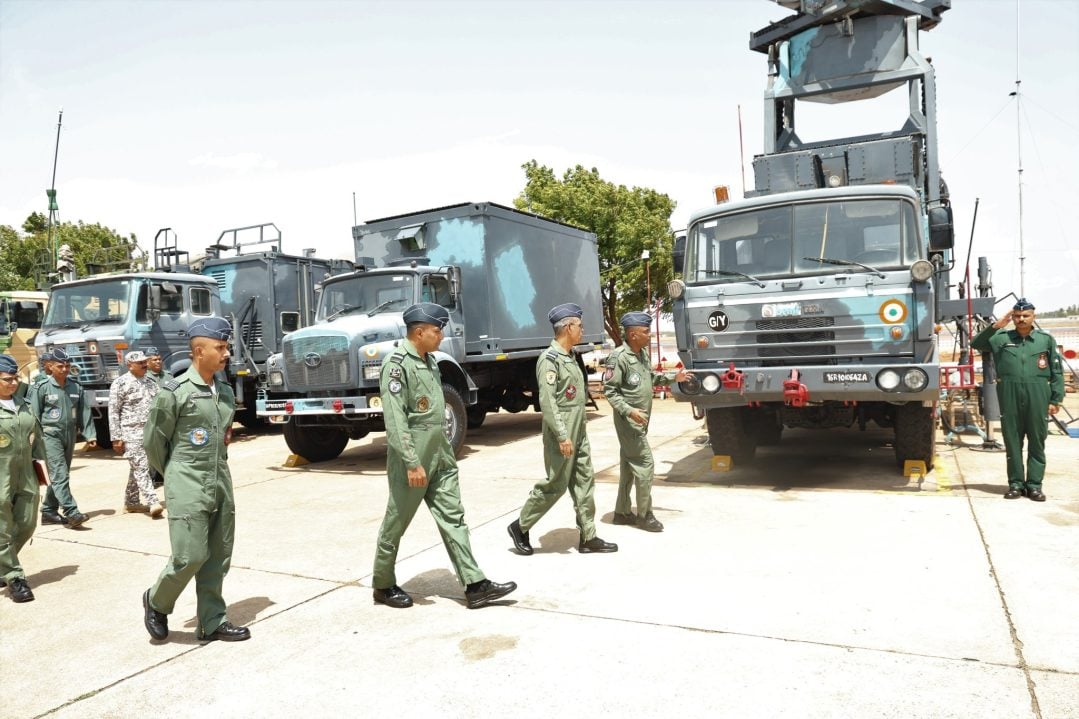
Air Marshal Mann stressed the need for combat units to uphold high operational standards while adapting to evolving security challenges. The dynamic strategic environment of the Indian Ocean Region calls for ongoing investments in preparedness, technology, and indigenous development to maintain India's strategic edge and deterrence capabilities.
The Southern Air Command remains a key player in bolstering India's maritime security objectives, maintaining constant vigilance and operational excellence. Its units are prepared to counter both traditional and emerging threats and contribute to joint operations with other branches of the armed forces.
The visit reaffirmed the Indian Air Force's dedication to enhancing operational readiness and indigenous aerospace development as foundational elements of national security. By integrating advanced indigenous platforms like the LCA Tejas with skilled personnel and ready combat formations, the Indian Air Force strengthens its capacity to protect India's strategic interests across Peninsular India and the broader Indian Ocean Region.
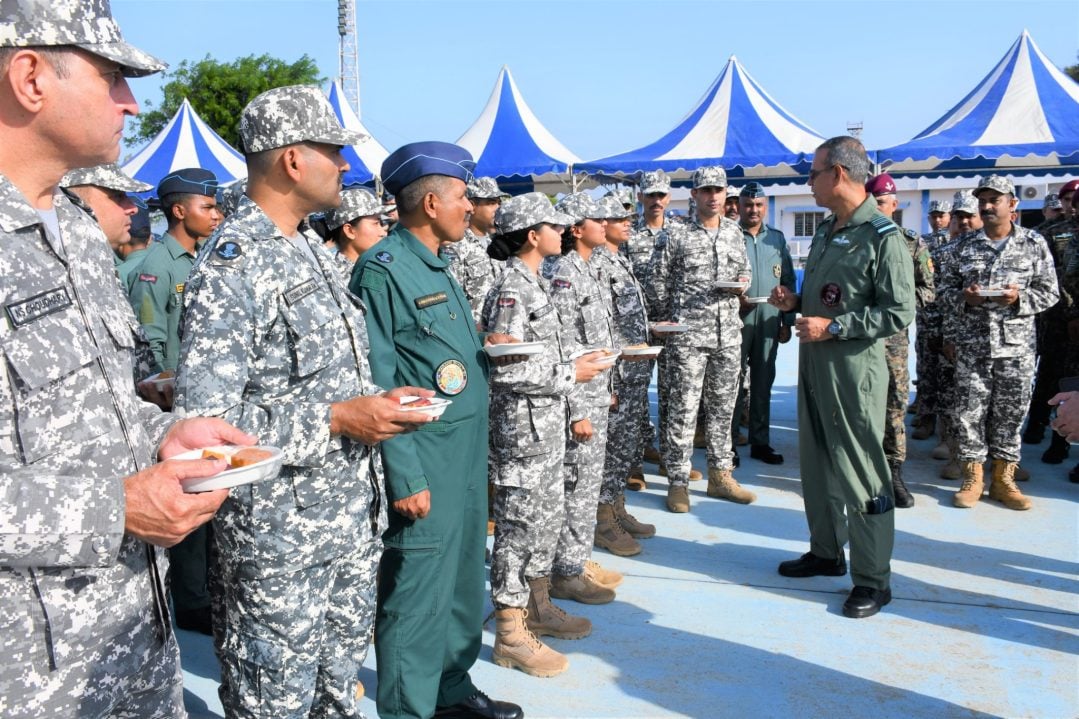
Air Marshal JS Mann's visit to Air Force Station Sulur exemplifies the Indian Air Force's dedication to developing a technologically advanced, combat-ready, and self-sufficient force. This commitment is crucial for deterrence, maintaining regional stability, and safeguarding the nation's maritime and strategic interests in an increasingly complex security landscape.


