
Air Marshal Ashutosh Dixit Evaluates Indigenous Aviation Projects at HAL Bengaluru

Air Marshal Ashutosh Dixit, serving as the Chief of Integrated Defence Staff to the Chairman Chiefs of Staff Committee (CISC), recently conducted a visit to the Hindustan Aeronautics Limited's (HAL) Aircraft Division located in Bengaluru. His visit aimed to evaluate the progress of India's pivotal indigenous aviation projects.
During his time at the facility, the Air Marshal received a briefing on the current status of the Tejas Light Combat Aircraft (LCA) Mk1A programme. This programme is one of India's key initiatives in developing indigenous fighter aircraft, aimed at bolstering the capabilities of the Indian Air Force.
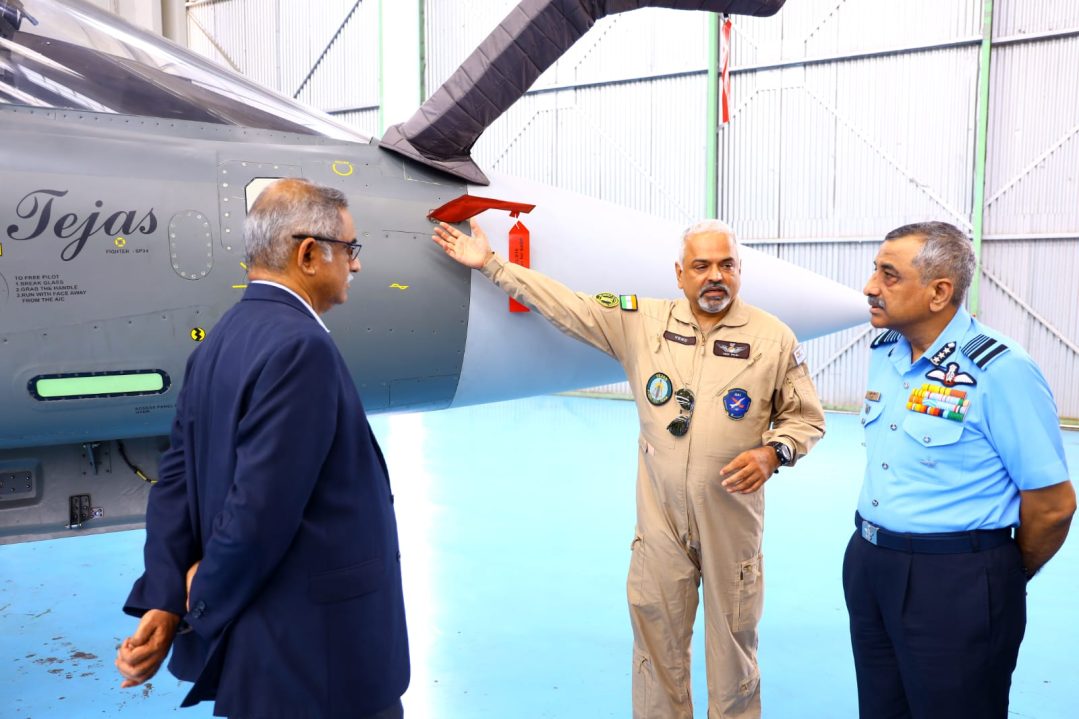
He also examined advancements in other significant indigenous aviation projects, such as the Hindustan Turbo Trainer (HTT)-40. This trainer aircraft is designed to fulfill the training needs of military pilots and to minimize dependency on foreign trainer aircraft.
The visit allowed for an evaluation of current production activities, measures to enhance capabilities, and efforts by HAL to expedite the delivery of homegrown aircraft platforms to the Armed Forces.
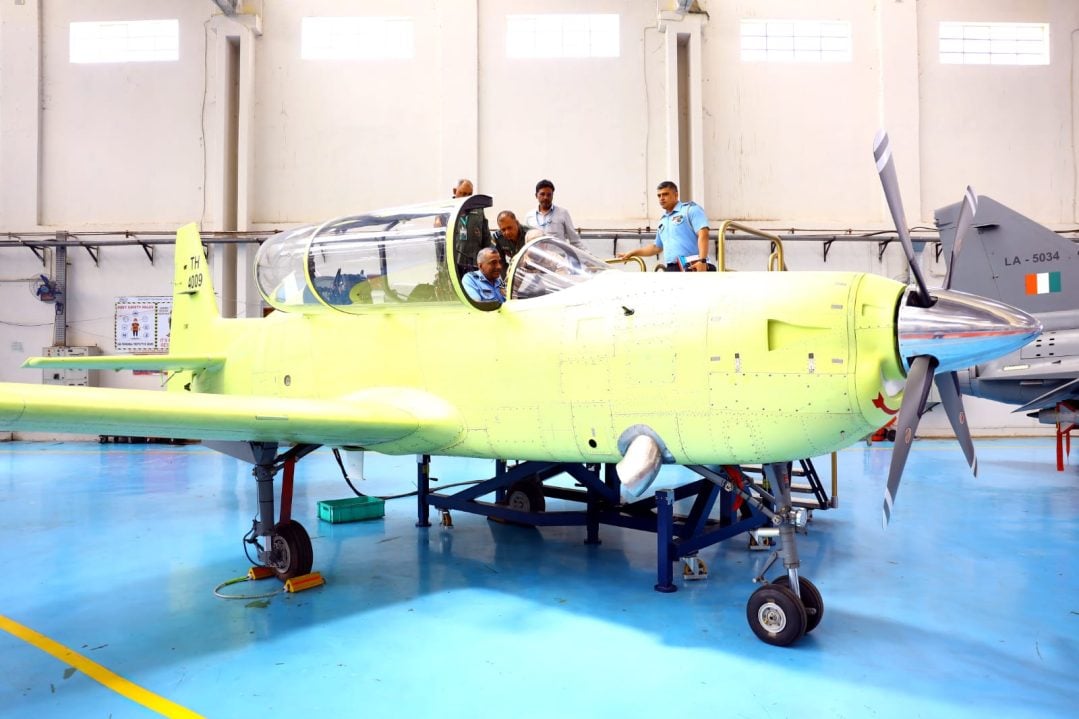
Air Marshal Dixit received briefings on various technological innovations, key production milestones, and initiatives aimed at improving manufacturing efficiency across numerous aviation projects.
This review underscored the ongoing focus on fortifying India's aerospace sector and enhancing self-reliance in defense production as part of the government's Atmanirbhar Bharat initiative.
The Tejas Mk1A programme is anticipated to significantly contribute to the modernization of the Indian Air Force's fighter fleet. Concurrently, the HTT-40 marks a crucial development in providing indigenous solutions for pilot training.
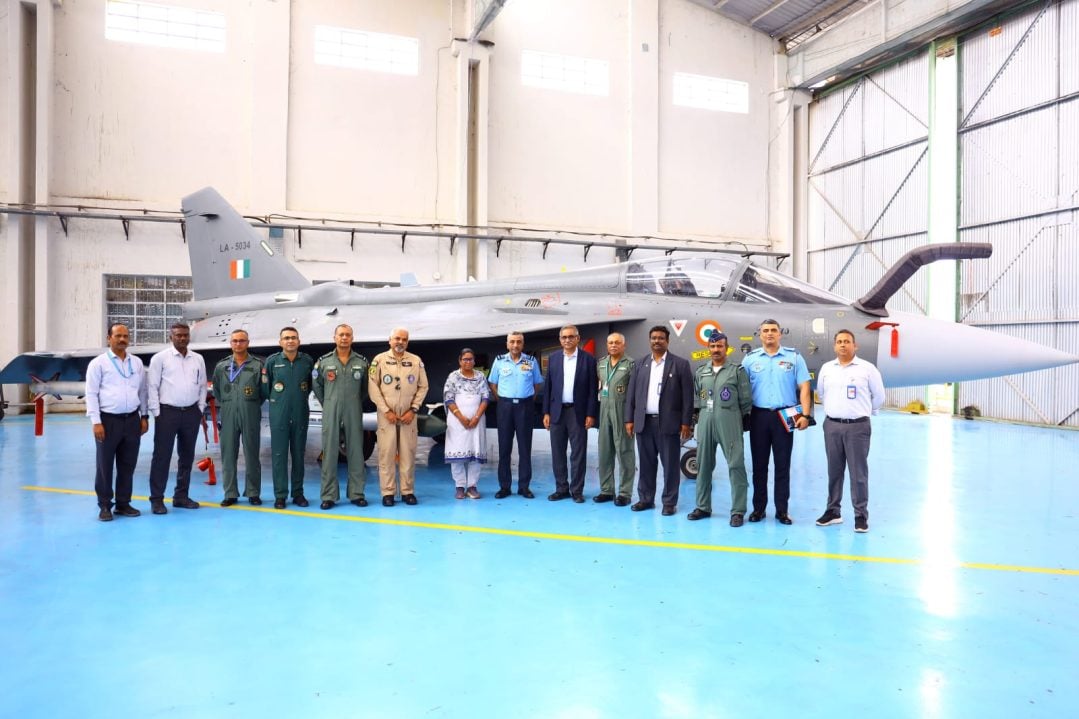
The visit emphasized the increasing collaboration between the Armed Forces and the national defense industry in creating advanced aerospace capabilities and speeding up the production of indigenous military platforms.
As India continues to broaden its defense manufacturing capabilities, initiatives such as the Tejas Mk1A and HTT-40 remain vital to the nation's quest for greater technological independence and the enhancement of national security through domestic innovation.


