
Western Command Conducts Inaugural Defence Financial Management Course at Chandimandir

The Indian Army’s Western Command has conducted its first Defence Financial Management Course, DFMC-1, at Chandimandir from 18 to 21 August 2026, bringing together 100 officers from formations across the Command for a four-day professional development programme focused on financial decision-making, procurement and resource management.
The course has been introduced to strengthen officers’ competence in defence financial management and to help them take more informed decisions while dealing with budgets, expenditure, procurement processes and other administrative responsibilities that shape day-to-day military functioning.
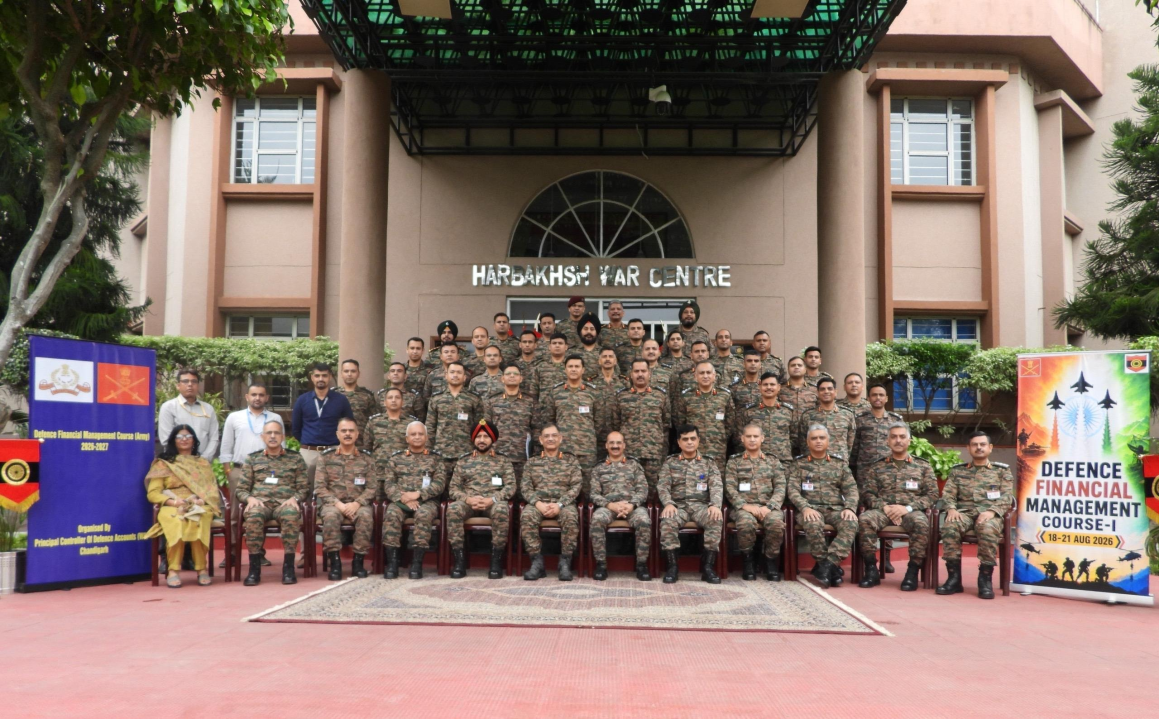
Lieutenant General H S Sahi, PVSM, UYSM, AVSM, YSM, SM, Chief of Staff, Western Command, delivered the inaugural address and set the tone for the programme. He underlined the need for military leaders to develop a sound understanding of financial management so that defence resources are governed responsibly and used effectively.
The emphasis on financial literacy reflects the changing demands placed on modern military leadership. Officers are now expected to do more than manage operations and training; commanders and staff officers must also oversee budgets, prioritise expenditure, monitor procurement and ensure that financial procedures are followed while resources are used efficiently.
Against that backdrop, DFMC-1 was designed to give participating officers greater exposure to contemporary financial management practices and to the systems that govern defence expenditure. The course aimed to bridge the gap between operational requirements and the financial processes that support them.
Lieutenant General Vineet Gaur, PVSM, AVSM, Director General Capability Development, also addressed the participants. He shared insights into current defence financial management practices as well as capital procurement, an area of particular importance for the Armed Forces as modernisation requires the acquisition of advanced equipment, platforms, weapons, communications systems and related capabilities.
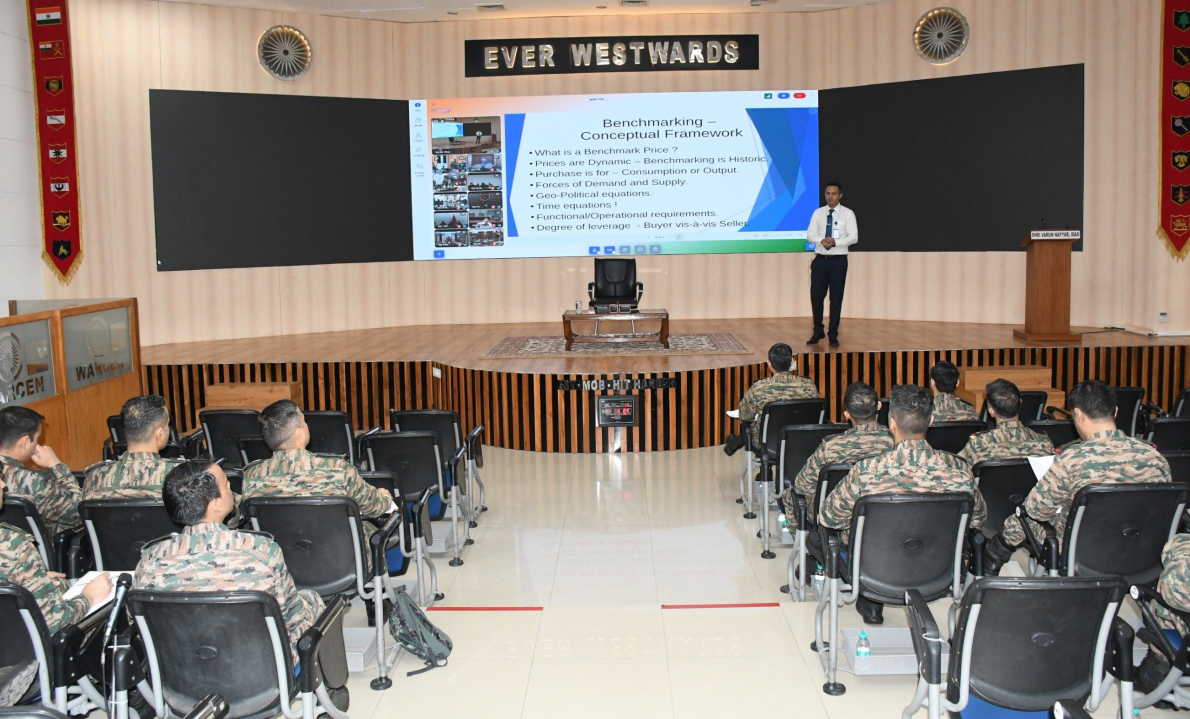
For officers involved in capability development and procurement-related appointments, understanding the financial and procedural dimensions of such acquisitions is crucial. The course therefore placed importance on the practical aspects of capital procurement and how those processes connect to broader force development objectives.
With officers drawn from formations across Western Command, the programme also created a forum for sharing experience and building a common understanding of financial procedures at different levels of command. Such interaction is especially useful in a large operational formation where financial responsibilities can vary across headquarters, field formations and specialist appointments.
Defence financial management requires a balance between operational necessity and financial accountability. Military formations must have timely access to equipment, infrastructure and other resources needed to maintain readiness, but expenditure must still follow prescribed procedures and principles of prudence.
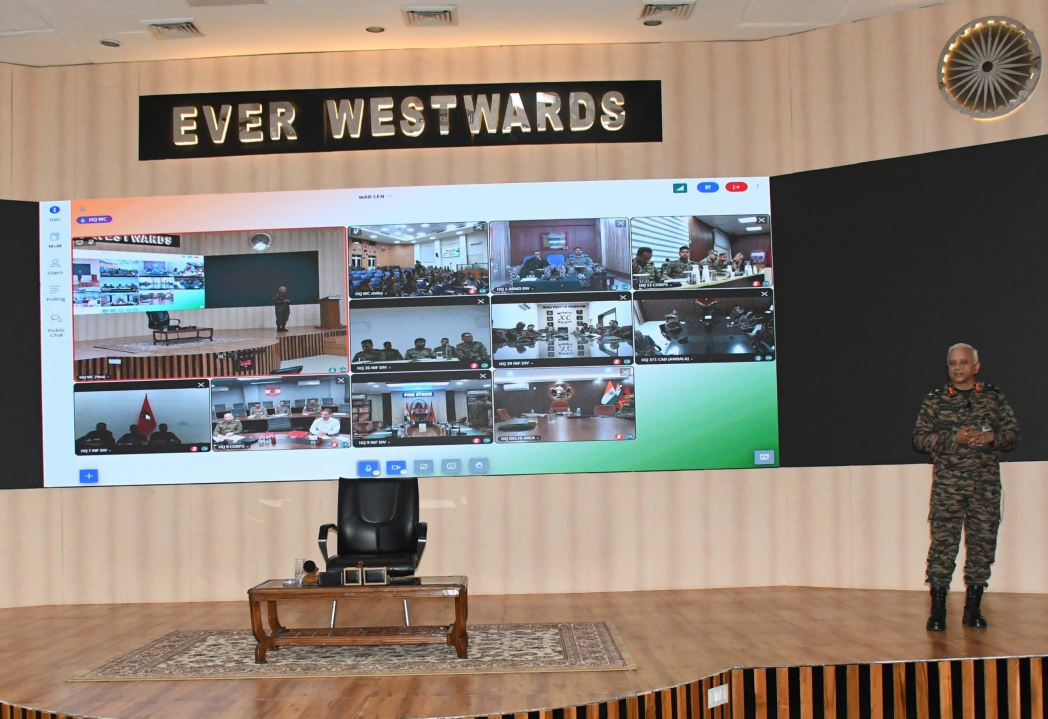
Courses such as DFMC-1 are intended to help officers understand how defence resources are planned, allocated and utilised, while also familiarising them with the mechanisms that support financial governance. In practical terms, this kind of training is meant to ensure that operational demands are met without compromising transparency or accountability.
At the conclusion of the course, Lieutenant General Pushpendra Singh, AVSM, SM**, Army Commander, Western Command, addressed the participating officers. He stressed financial prudence, procedural diligence and accountable resource management as key enablers of both organisational effectiveness and operational effectiveness.
Those themes carry added weight at a time when the Armed Forces continue to pursue modernisation, infrastructure development, technology induction and capability enhancement across multiple domains. Efficient use of resources allows military organisations to extract maximum operational value from available funds while maintaining the standards of transparency and accountability expected in public expenditure.
Procedural diligence is equally important because defence procurement and financial management involve several stages, including approvals, evaluation, contracting and expenditure. Officers handling these responsibilities must understand the relevant procedures while ensuring that operational requirements are addressed without unnecessary delay.
The inaugural DFMC-1 also points to the growing place of financial literacy in professional military education. As officers move into senior command and staff roles, decisions on resource allocation and procurement can have major consequences for readiness and long-term capability development. Structured exposure to financial management practices can therefore support better decision-making at formation and headquarters levels.
By bringing together operational experience and financial management principles at Chandimandir, the course sought to show how responsible financial governance contributes directly to military effectiveness. Western Command’s successful conduct of DFMC-1 is being viewed as an initiative to strengthen professional competence among its officers and to keep financial decision-making aligned with organisational priorities and operational requirements.
The initiative also reinforces a broader reality of military capability: it depends not only on personnel, equipment and training, but also on sound governance and efficient management of resources.


