
Squadron Leader Rizwan Malik: The Su-30MKI Pilot Honored with Vir Chakra for Strikes on Terror Targets in Pakistan

Squadron Leader Rizwan Malik of the Indian Air Force has become a prominent figure in Operation Sindoor, India's firm military response to Pakistan-backed terrorism in 2025. As a Su-30MKI fighter pilot from Manipur, he was honored with the Vir Chakra on Independence Day, 15 August 2025, for his outstanding bravery, precision, and operational expertise during high-risk strikes against terror targets across the border.
His recognition is noteworthy not only for the gallantry medal he received but also as a testament to the rise of young officers from India's remote regions into vital combat roles within the armed forces. From the small village of Keikhu in Imphal East district to piloting one of the Indian Air Force's most formidable fighter jets, Squadron Leader Malik’s journey exemplifies discipline, national service, and persistent determination.
Born in a modest family in Keikhu village, Imphal East district, Rizwan Malik is the son of Alhaj Hafizuddin and Alhajan Waheeda Rehman. He belongs to the Meitei Pangal community, also known as Muslim Meiteis, an integral part of Manipur's social and cultural framework. Although specific details about his early education and childhood remain scarce publicly, his progression to a frontline fighter pilot in the Indian Air Force reflects years of perseverance, rigorous training, and dedication to duty.
Squadron Leader Malik was inducted into the Indian Air Force on 20 June 2015 in the Flying branch as part of the 195th Course. His service number is 34563 F(P). He advanced to Flight Lieutenant on 20 June 2017 and was promoted to Squadron Leader on 20 June 2021. Over the years, he honed the skills necessary to operate in the demanding and high-pressure environment of modern military aviation.
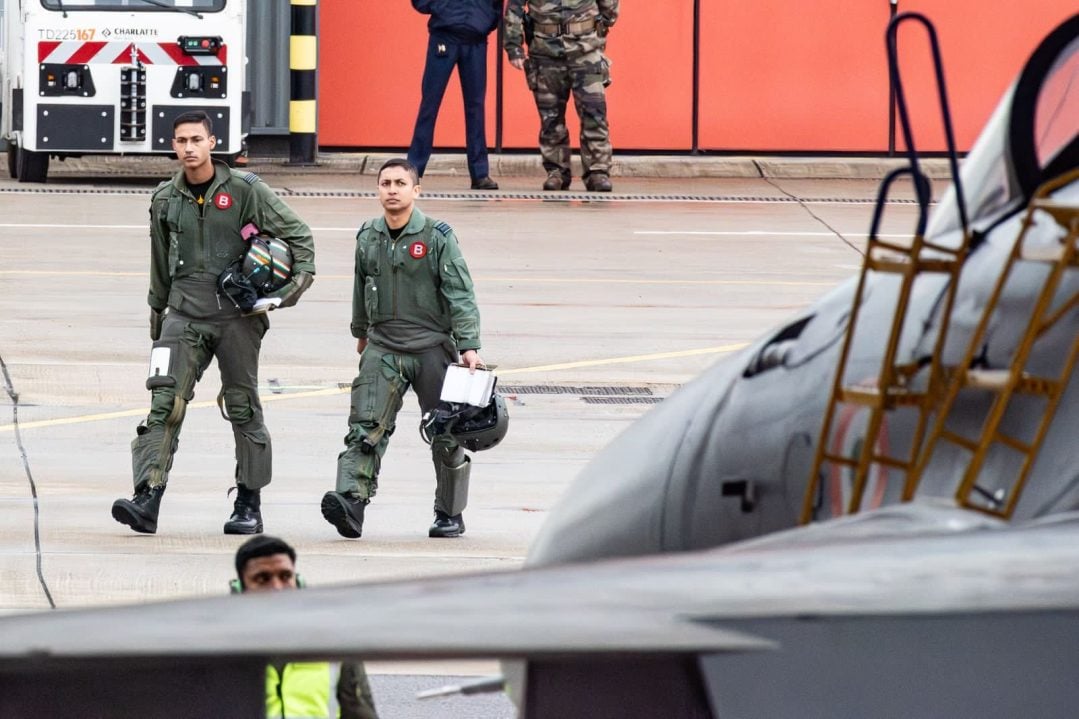
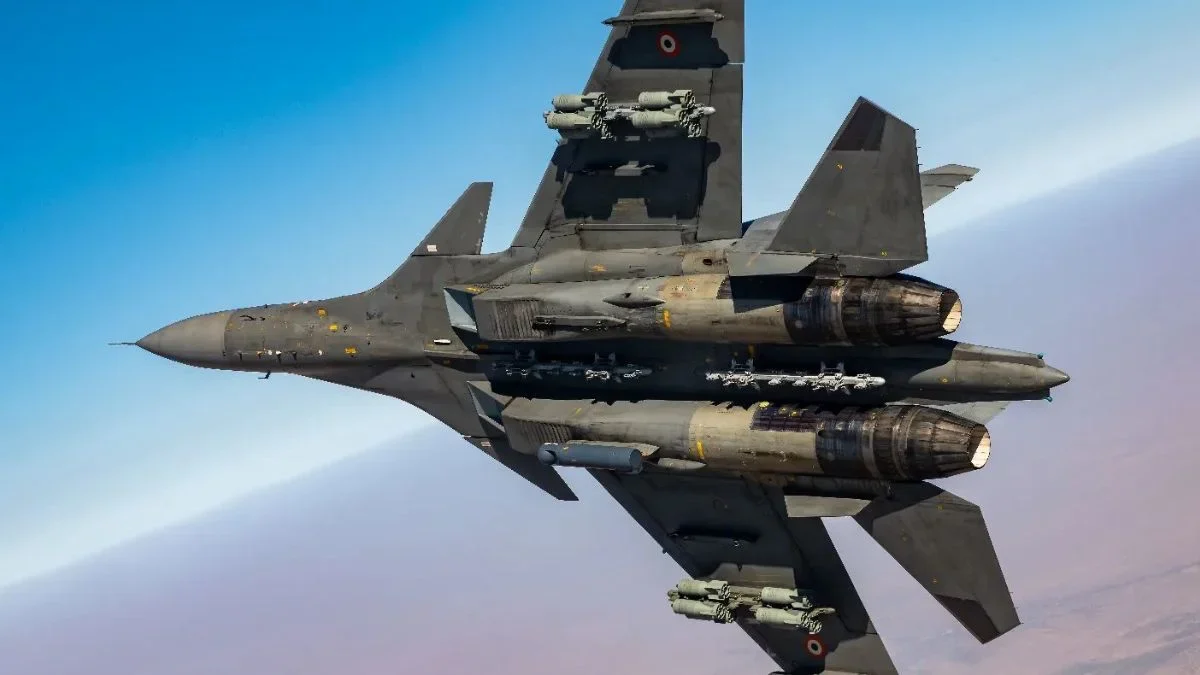
He is affiliated with No. 102 Squadron of the Indian Air Force, known as the Tridents. This squadron employs the Su-30MKI, a versatile multirole fighter jet that is central to India's air combat and deep-strike capabilities. Renowned for its long range, heavy weapons load, maneuverability, and dual air superiority and ground-attack roles, flying such an aircraft demands exceptional technical proficiency, physical endurance, and the ability to make rapid decisions under extreme pressure.
Prior to Operation Sindoor, Squadron Leader Malik’s service record, like that of many serving officers, was largely out of the public eye. The Indian Air Force typically does not disclose intricate operational profiles of active fighter pilots, especially those involved in sensitive missions. However, his selection for a combat role in Operation Sindoor signifies the trust placed in his flying capabilities, mission discipline, and operational preparedness.
Operation Sindoor commenced on 7 May 2025 as India's military reaction to the Pahalgam terror attack on 22 April 2025, which resulted in the loss of 26 innocent lives in Jammu and Kashmir. The attack, traced to Pakistan-based terror groups, spurred a strong national call for action. India responded with a meticulously planned operation targeting terror infrastructure in Pakistan and Pakistan-occupied Kashmir.
Distinct from prior responses, Operation Sindoor was characterized by a comprehensive and technologically integrated military action. It encompassed precision air strikes, intelligence-driven targeting, missile systems, and a tiered air defense strategy. The operation aimed not only to penalize terror networks but also to convey a clear message that attacks on Indian civilians would provoke direct and decisive responses.
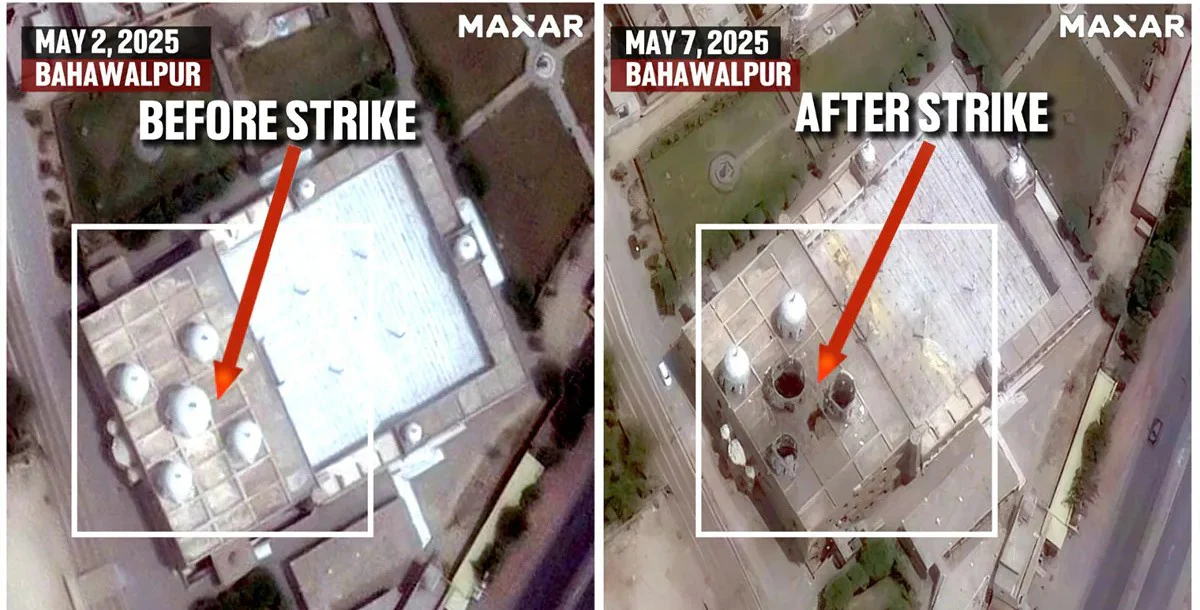
During the operation, the Indian Air Force's aircraft, including Su-30MKIs, played a significant role. The targets reportedly consisted of terror training camps, command facilities, and logistical infrastructure used by groups such as Jaish-e-Mohammed and Lashkar-e-Taiba. Locations like Bahawalpur and Muridke were targeted due to their connections with major Pakistan-based terror organizations. The objective was to demolish critical terror infrastructure while minimizing collateral damage.
Squadron Leader Rizwan Malik was notably involved in the operation. Piloting a Su-30MKI under hostile conditions, he participated in precision strike missions against high-value targets. He exhibited remarkable bravery, decisive leadership, and unwavering dedication while executing his mission. His flying skills and target precision were integral to the operation's success.
Reports linked to the operation indicate strikes on significant terror and military-linked facilities, including locations in Bahawalpur and other strategic areas. Squadron Leader Malik’s contributions were pivotal in neutralizing key hostile infrastructures and inflicting substantial damage on enemy assets. His mission demanded not only bravery under threat but also the calm precision expected from a highly trained fighter pilot in a complex combat scenario.
The Vir Chakra awarded to Squadron Leader Malik acknowledges acts of gallantry in enemy presence. It is India's third-highest wartime gallantry award, following the Param Vir Chakra and Maha Vir Chakra. For an active fighter pilot, receiving the Vir Chakra is an exceptional and prestigious honor, placing him among the nation's most esteemed combat aviators.
He was among nine Indian Air Force officers recognized with the Vir Chakra for their roles in Operation Sindoor. The awardees included senior and junior officers who made significant contributions to various aspects of the operation. This recognition highlighted the Indian Air Force’s pivotal role in executing precision strikes and maintaining air dominance during the operation.
For Manipur, Squadron Leader Malik’s recognition brought immense pride. His accomplishment demonstrated the significant contributions of young individuals from the Northeast to the Indian Armed Forces. Hailing from a region renowned for producing brave soldiers, officers, and athletes, Malik’s gallantry added another inspiring chapter to Manipur’s legacy of service and valor.
The public response to his award was filled with admiration. Leaders, citizens, and defense enthusiasts lauded his courage and professional excellence. His story resonated strongly because it symbolized both national pride and regional inspiration. For many aspiring youths from Manipur and the Northeast, his journey from a village in Imphal East to the cockpit of a Su-30MKI served as a reminder that dedication and discipline can open the doors to the highest levels of service.
Operation Sindoor also reshaped the broader conversation around India's military response to terrorism. It demonstrated India's willingness to employ precise and coordinated military force against terror infrastructure beyond its borders. The operation underscored the significance of air power, intelligence coordination, and advanced weapons systems in modern warfare. Officers like Squadron Leader Rizwan Malik embodied the human face of this newfound operational confidence.
What makes his story particularly compelling is the blend of humility and heroism. Fighter pilots often work away from the public eye, with many of their missions remaining classified or partially known. Yet their actions can decisively impact national security. Squadron Leader Malik’s Vir Chakra brought public attention to the courage that typically remains hidden due to operational secrecy.
As a serving officer, Squadron Leader Rizwan Malik continues to represent the highest values of the Indian Air Force: professionalism, courage, discipline, and devotion to duty. His achievement is not just a personal milestone but a source of inspiration for countless defense aspirants across India. It illustrates that the path to glory in uniform is built through years of training, sacrifice, and silent commitment.
His journey from Keikhu village to the skies over hostile territory is a tale of national integration, military excellence, and fearless service. In the broader history of Operation Sindoor, Squadron Leader Rizwan Malik will be remembered as one of the brave air warriors who successfully carried out a challenging mission with valor and precision, aiding India in delivering a strong message against terrorism.
For the people of Manipur, he is a proud son of the soil. For the Indian Air Force, he is a valiant officer who upheld the highest traditions of the service. For the nation, he is a reminder that India's strength lies in the valor of its soldiers, sailors, and air warriors who stand ready to defend the country, irrespective of the mission's difficulty.


