
Rajnath Singh Inaugurates ICGS Samudra Pratap, India's Pioneer Indigenous Pollution Control Vessel

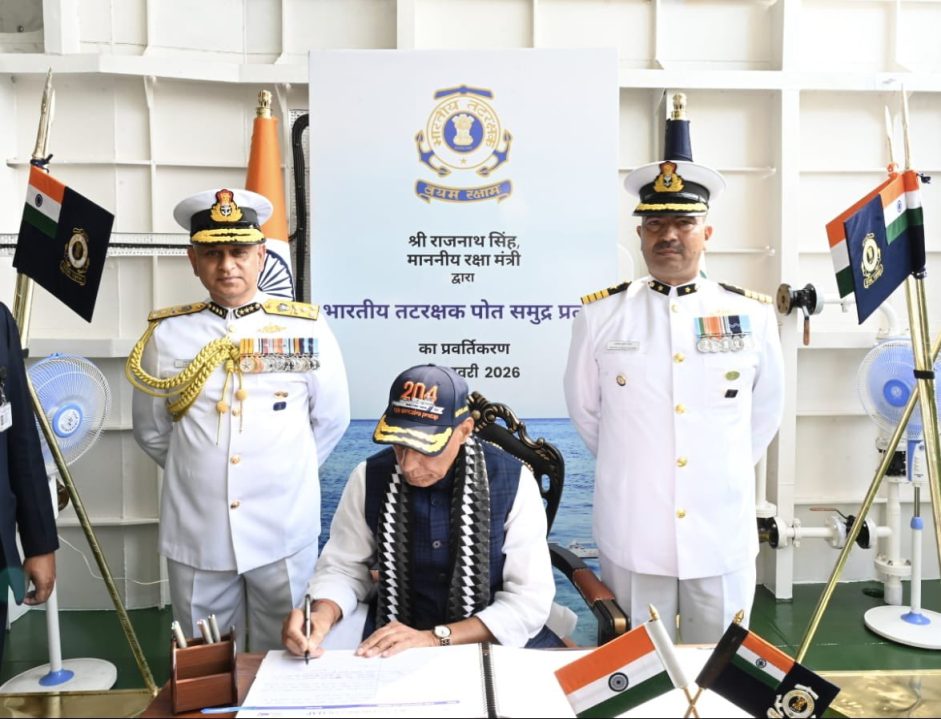
India's Defence Minister, Rajnath Singh, has officially commissioned the Indian Coast Guard Ship Samudra Pratap, marking a significant achievement in the nation's shipbuilding and maritime capability development. This vessel is India's first indigenously designed Pollution Control Vessel (PCV) and was constructed by Goa Shipyard Limited (GSL). It is the largest ship currently in the Indian Coast Guard (ICG) fleet, with more than 60% of its components being sourced domestically.
Rajnath Singh described Samudra Pratap as a testament to India's developed defence industrial ecosystem. He emphasized the government's goal to increase the indigenous content in naval platforms to 90%. Though primarily built for pollution control, the ship's versatile design enhances its capabilities in coastal patrol, maritime safety, firefighting, and extended surveillance across India's vast maritime territories.
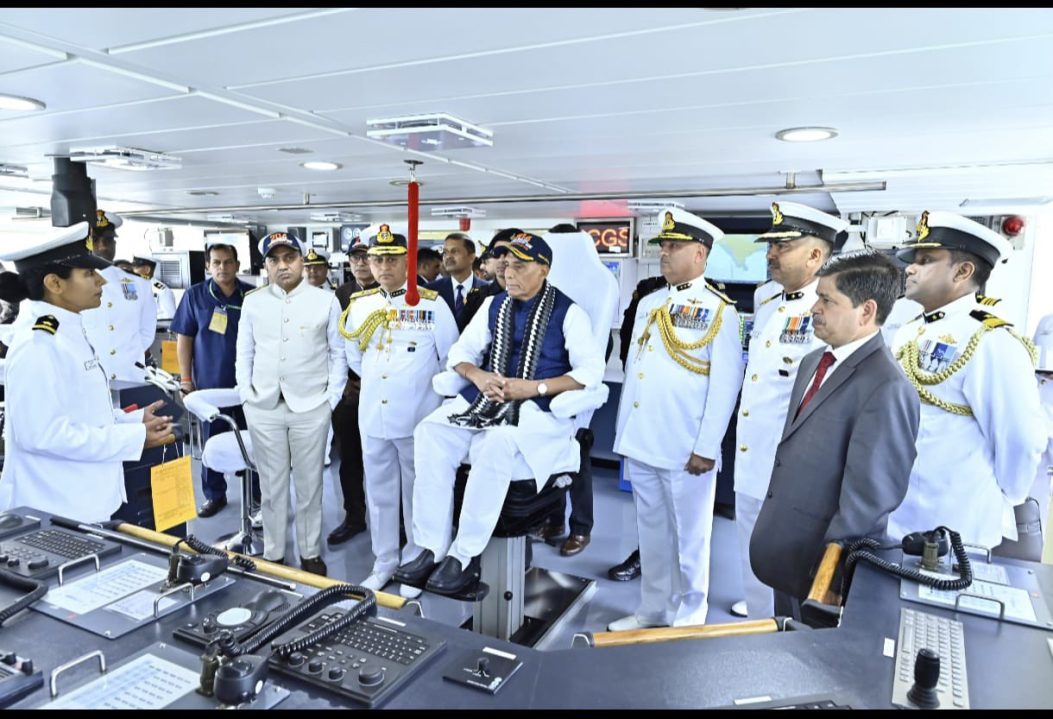
The vessel is equipped with advanced pollution detection systems, dedicated response boats, high-capacity skimmers, side-sweeping arms, floating booms, and an onboard pollution control laboratory. These features significantly boost India's ability to respond swiftly to oil spills and marine pollution. Samudra Pratap also includes an External Fire-Fighting System (Fi-Fi Class 1), a helicopter hangar, and aviation support facilities, enhancing its operational range even in turbulent sea conditions.
Addressing environmental protection, Singh stated that the ship's rapid detection capabilities and efficient recovery systems would help safeguard marine ecosystems such as coral reefs, mangroves, and fisheries, thereby supporting coastal livelihoods and the blue economy in the face of climate change and global warming.
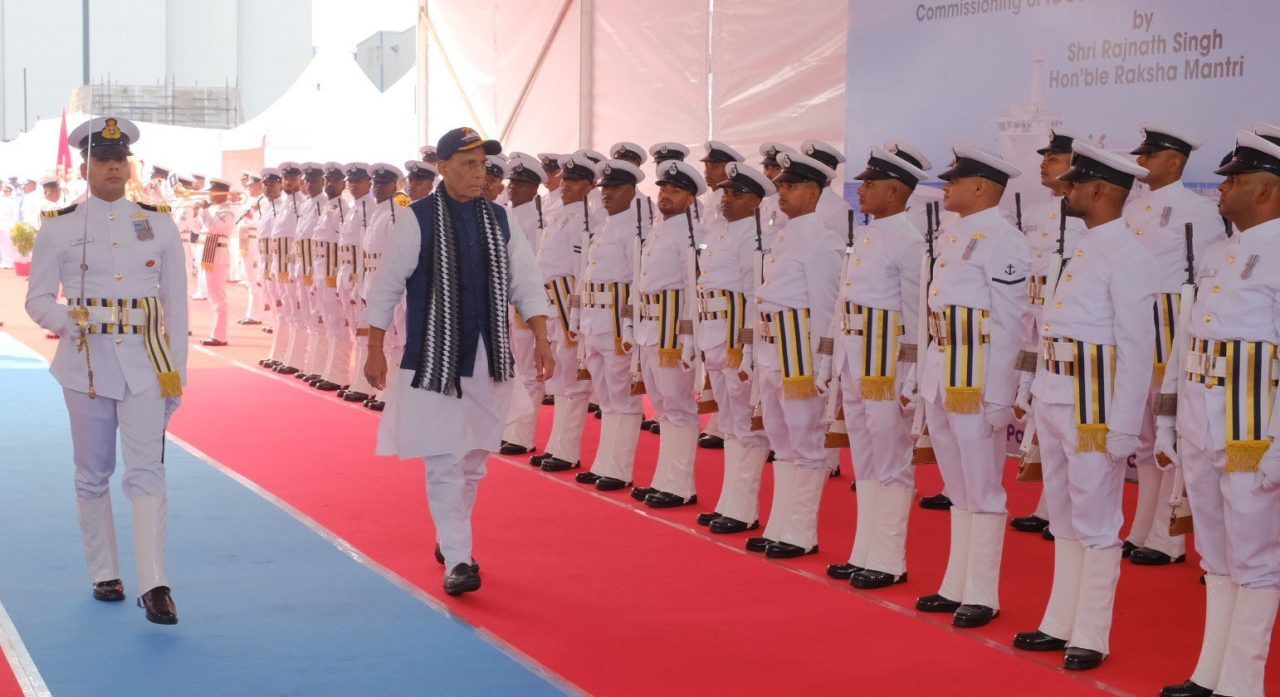
The Defence Minister praised the ICG's multi-faceted role, which includes pollution control, coastal cleanliness, search and rescue operations, and maritime law enforcement. He affirmed that India is communicating a strong message that any maritime misconduct will be met with a strong response, reinforcing the country's commitment to peace and stability in the Indo-Pacific region.
Singh encouraged the ICG to evolve from a platform-centric approach to one driven by intelligence and integration, while also developing specialized career streams in maritime law enforcement, environmental protection, and maritime cyber security.
In a first for gender inclusion, Samudra Pratap will have two women officers among its crew. Rajnath Singh commended this move towards a gender-neutral work environment, noting that women officers are increasingly taking on critical roles, setting examples for future generations.
Named "Majesty of the Seas," Samudra Pratap displaces 4,170 tonnes, measures 114.5 meters in length, and can reach speeds exceeding 22 knots. The vessel is powered by twin 7,500 kW diesel engines with indigenously developed controllable pitch propellers, offering an endurance of 6,000 nautical miles. It features advanced automation systems, such as Dynamic Positioning, Integrated Bridge and Platform Management Systems, and Automated Power Management. Its armaments include a 30 mm CRN-91 gun and two 12.7 mm stabilized remote-controlled guns.
Stationed in Kochi under the operational control of the Coast Guard Region (West), ICGS Samudra Pratap enhances India's environmental response, maritime safety, and coastal security, showcasing the nation's growing self-reliance and leadership in maritime affairs.


