
Meerut Military History Conclave 1.0 Highlights Lessons from 1857 Uprising, 1947–48 War and Future Warfare

The Meerut Military History Conclave 1.0 turned Wheeler Club in Meerut Cantt into a forum for examining how India’s military past can inform present and future conflict, with veterans, serving personnel, military professionals and academics gathering under the aegis of Headquarters Pashchim UP Sub Area. The guiding idea of the conclave was captured in the line: “History is not just remembered. It is a weapon.”
Rather than treating military history as a matter of commemoration alone, the conclave framed it as a practical tool for professional reflection. Participants discussed historical episodes not only for what happened, but for what those events reveal about leadership, mobilisation, decision-making, civil-military dynamics, strategic choices and the wider conditions that shape war.
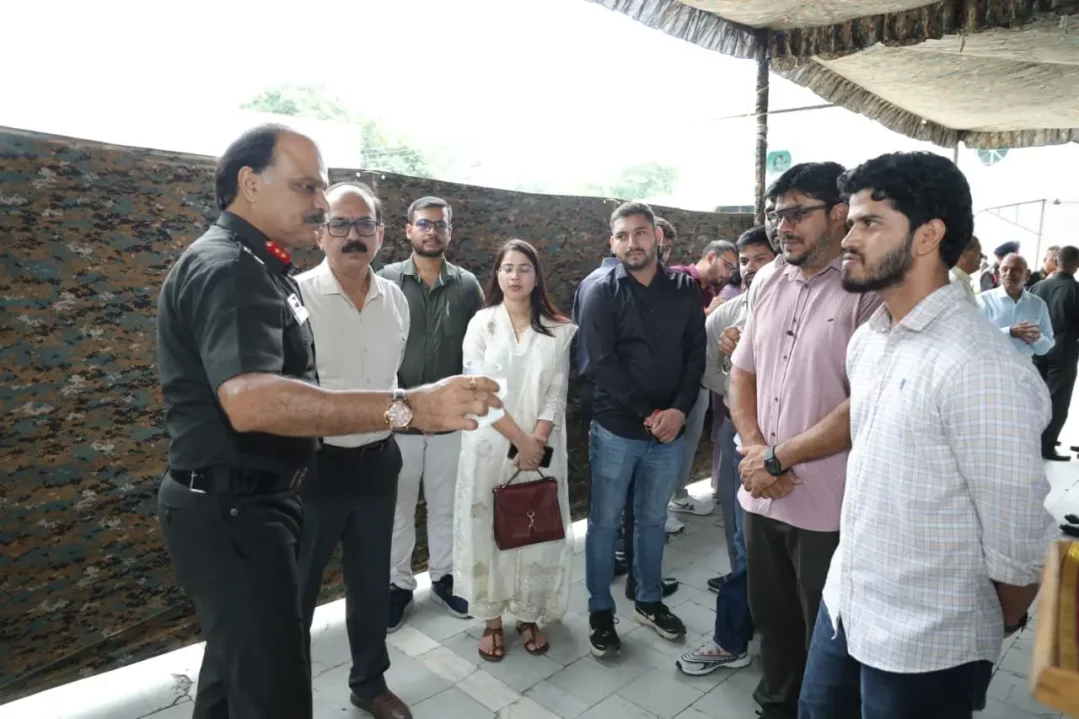
One of the key historical themes was the 1857 Uprising, an event that occupies a defining place in India’s military and national history. The conclave treated the uprising as a subject that can be read from multiple angles — conflict, resistance, mobilisation and leadership — while also placing it within the political, social and economic environment of the time. In that sense, the discussion went beyond the event itself to the larger forces that shape military history.
Another important focus was the 1947–48 war, described in the source material as India’s First War of Independence period of 1947–48. The conflict was presented as a formative chapter in the history of the Indian armed forces after Independence, when military leadership and operational responses were required during a period of major national transformation.
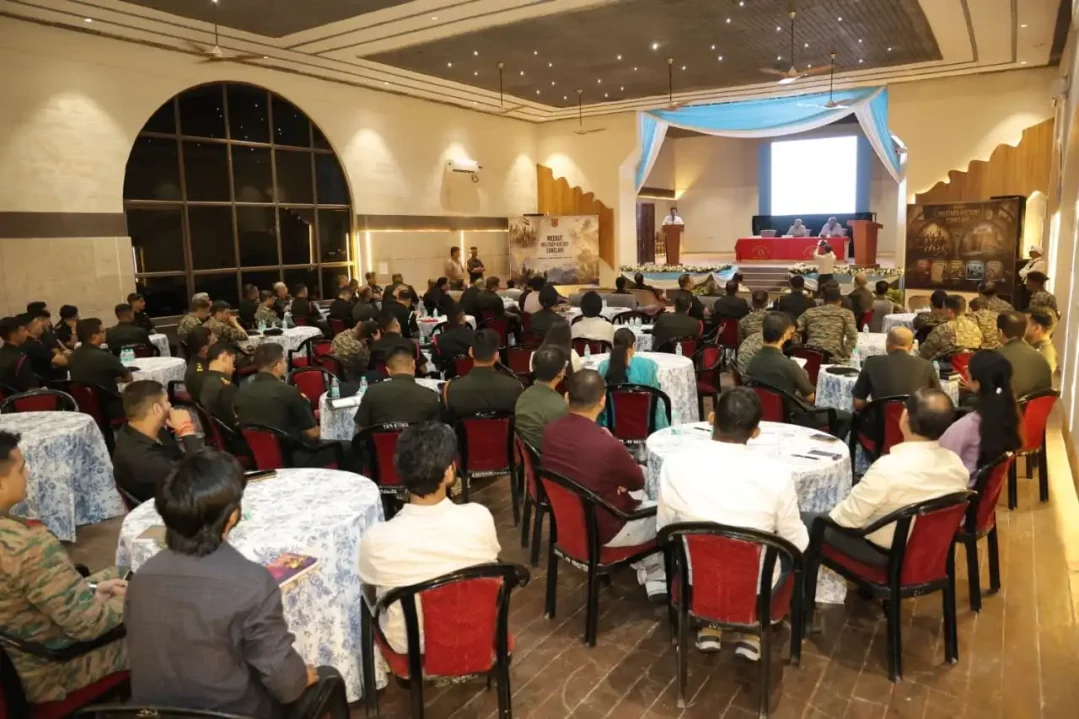
By placing these historical episodes in a contemporary professional setting, the conclave reinforced the value of institutional memory within the armed forces. The underlying argument was that earlier conflicts offer more than historical interest: they help military professionals examine how decisions were made under pressure, how operations unfolded, what challenges commanders faced and how strategic choices affected outcomes.
The programme also widened its lens to include the Economics of War, recognising that modern conflict is shaped by more than battlefield performance. Sustaining military operations requires resources, industrial capacity, logistics, infrastructure and economic resilience. Bringing economics into the discussion broadened the conversation from how wars are fought to the national capacity needed to support them over time.
Another central theme was the Future of Land Warfare. That subject has growing relevance as armies around the world adapt to technological change, new operational concepts and increasingly complex security environments. The focus on future land warfare reflected the need to think beyond immediate operational concerns and consider how doctrine, technology, geography, economics and human factors will interact in the battles of tomorrow.
The conclave’s format itself added value to the discussion. Veterans brought lived experience, serving personnel contributed current operational perspectives, and military professionals and academics added analytical depth. Together, they created a space where historical study could be linked to professional military thought rather than kept separate from it.
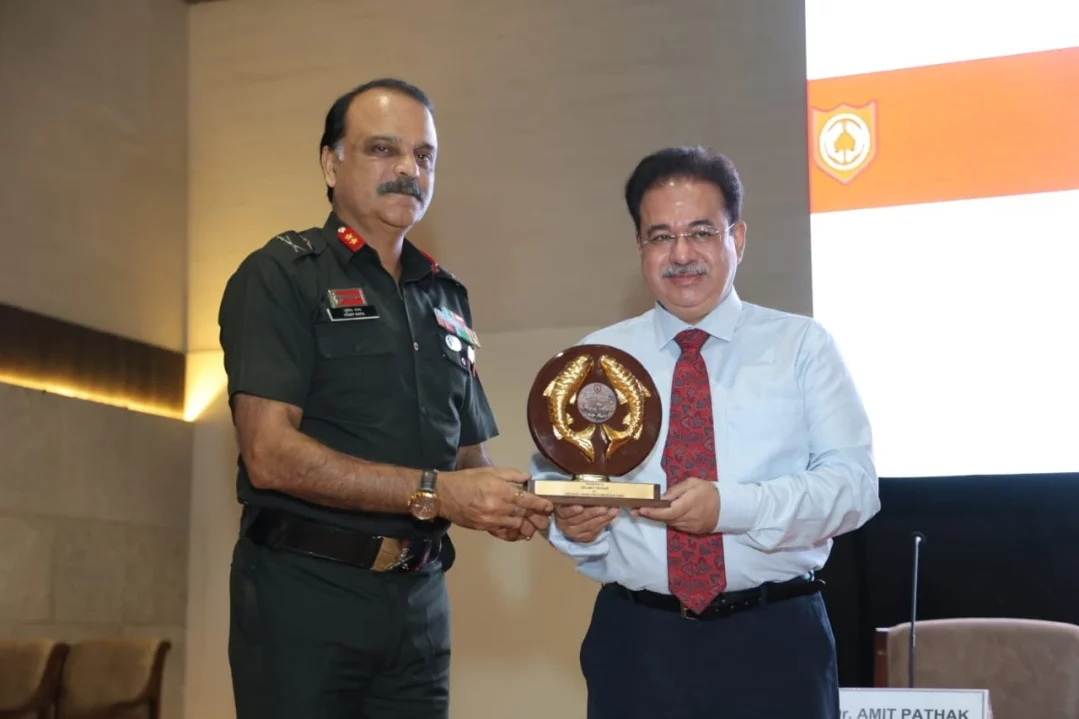
That kind of interaction, the conclave suggested, is especially important because military history becomes most useful when it is studied critically. Campaigns can be better understood by asking why they unfolded as they did, how opponents adapted, and what consequences followed from decisions taken in difficult circumstances. The result is a more practical and reflective approach to professional military education.
The broader message emerging from the conclave was clear: know the past, think beyond the present and prepare for the next conflict. The event placed military history firmly within the framework of preparedness, showing how historical awareness can support strategic thinking and operational readiness.
Although the 1857 Uprising, the 1947–48 war, the economics of conflict and the future of land warfare are distinct subjects, the conclave brought them together to show the breadth of understanding required in military affairs. History, economics, doctrine and future planning all intersect in the study of war, and the ability to make those connections is central to professional competence.
For the Indian Army, such initiatives can help deepen the culture of study and reflection while strengthening awareness of the country’s military heritage. They also encourage personnel to examine lessons from earlier conflicts with a critical eye, identifying what remains relevant to modern operations and what may need to be rethought in light of changing conditions.
Seen in that light, the Meerut Military History Conclave 1.0 was more than a gathering to revisit important chapters of India’s military past. It was a platform that connected history with strategy, professional military thought and future preparedness.
By bringing together veterans, serving personnel, military professionals and academia under HQ Pashchim UP Sub Area, the conclave highlighted the importance of dialogue across generations and disciplines. Its central message was that understanding previous conflicts is not simply an act of remembrance, but part of preparing for the conflicts that may lie ahead.
As warfare continues to evolve, the ability to study history critically and apply its lessons will remain an important element of military preparedness. The Meerut Military History Conclave 1.0 placed India’s military heritage alongside contemporary strategic questions and the future of land warfare, reinforcing the idea that preparation for tomorrow’s conflict often begins with a deeper understanding of yesterday’s.


