
Lt Gen Pawan Chadha Evaluates Agniveer Training and Facilities at Ramgarh Military Station

Lieutenant General Pawan Chadha, the General Officer Commanding of the Trinity Area, alongside the General Officer Commanding of the Headquarters Jharkhand & Bihar Sub Area, conducted a visit to the Ramgarh Military Station. The purpose of the visit was to evaluate training, assess operational infrastructure, and oversee troop welfare initiatives at both the Punjab Regimental Centre and the Sikh Regimental Centre.
During their assessment, the senior commanders evaluated the training infrastructure present at both regimental centres. They engaged with the 9th Batch of Agniveers to review the comprehensive training designed to equip them for the demands of modern military service. This interaction underscored the Indian Army's continuous focus on preparing soldiers who are physically fit, mentally resilient, and professionally adept.
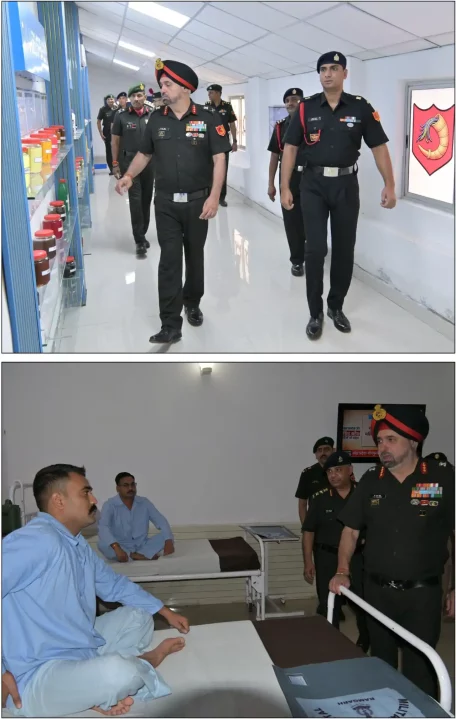
Lt Gen Chadha further explored the Navchetana Kendra, where he evaluated the psychological assessment and counselling programs aimed at enhancing soldiers’ mental well-being. The Centre is instrumental in building psychological resilience by providing scientific evaluation and guidance.
The General Officer also inspected the Medical and Dental facilities, along with the station infrastructure and the Supply Company. This inspection was part of assessing the support systems crucial for operational efficiency and troop welfare at the Ramgarh Military Station.
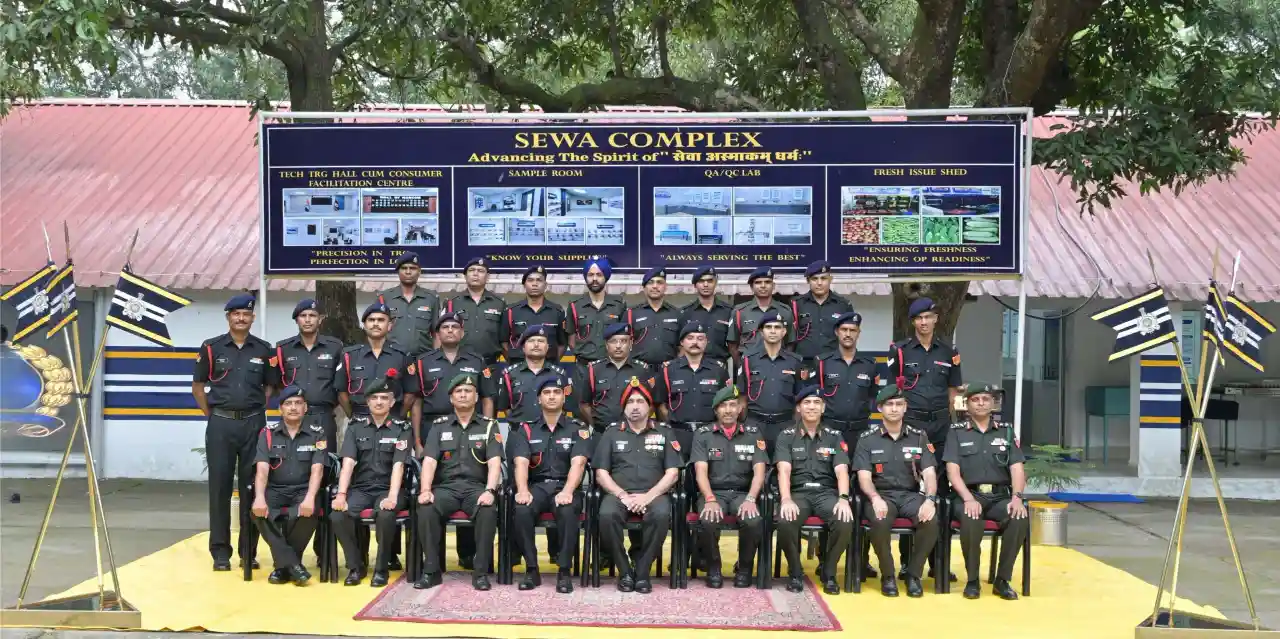
Lt Gen Pawan Chadha commended the Punjab and Sikh Regimental Centres for maintaining high training standards. He also praised the strong psychological assessment framework, modern infrastructure, and innovative initiatives that aim to improve soldiers’ quality of life and institutional efficiency.
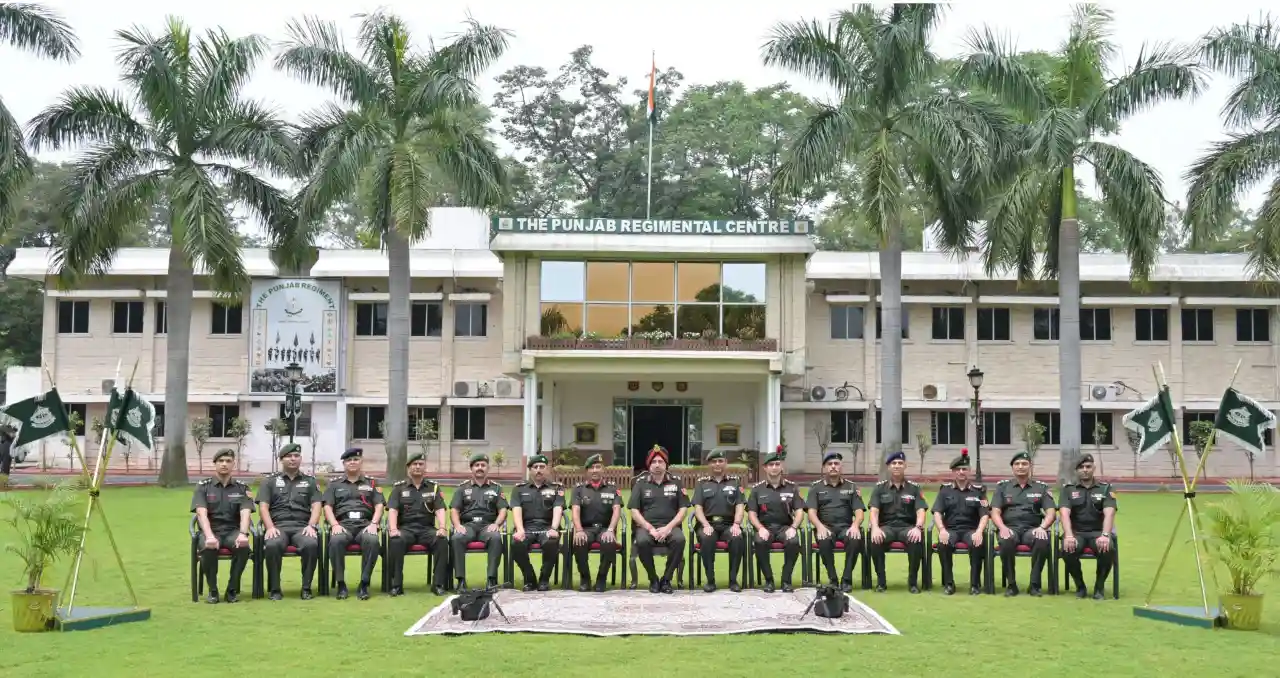
The visit highlighted the Indian Army's dedication to developing future-ready soldiers through modern training practices, comprehensive welfare programs, and ongoing infrastructure improvements. It emphasized the Army's commitment to ensuring that operational readiness is supported by robust administrative, medical, and psychological systems.


