
Lt Gen Devendra Sharma Reviews Training and Modernisation Efforts at High Altitude Warfare School

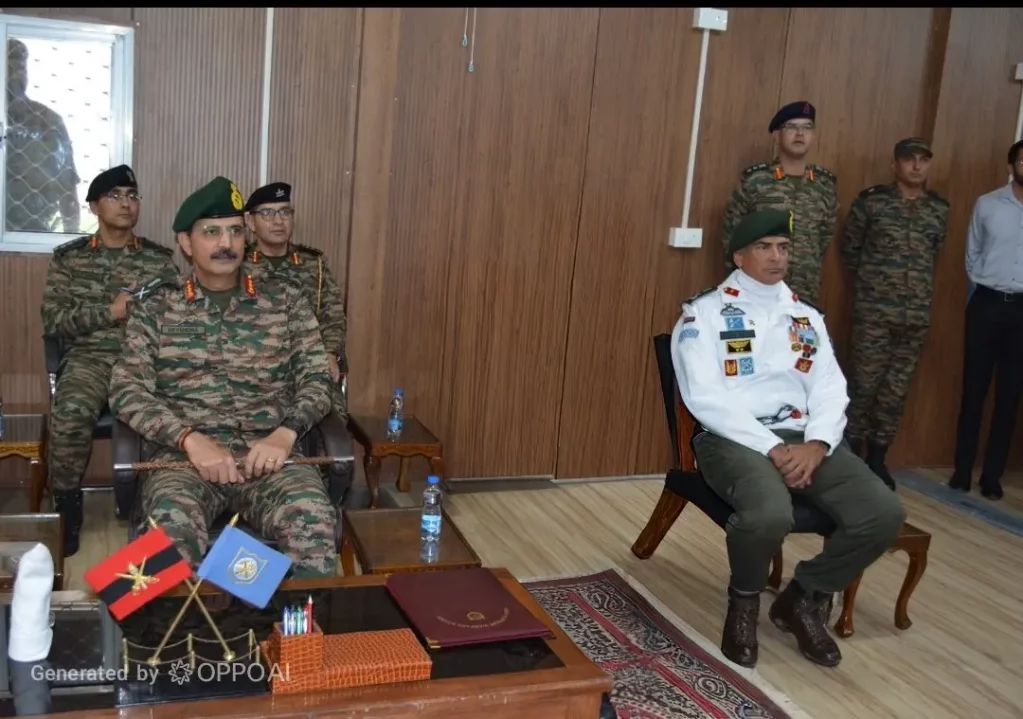
On July 29, 2026, Lieutenant General Devendra Sharma, PVSM, AVSM, SM, who serves as the General Officer Commanding-in-Chief of the Army Training Command (ARTRAC), visited the High Altitude Warfare School (HAWS) in Gulmarg. The purpose of the visit was to assess the school's training standards, operational readiness, and modernization efforts in high-altitude warfare training. During his visit, the Army Commander lauded the school's unwavering commitment to excellence in military training and acknowledged its substantial contributions to operational readiness and emergency rescue missions in challenging mountainous terrains.
Renowned globally as one of the leading institutions for mountain and high-altitude warfare training, the High Altitude Warfare School plays a pivotal role in equipping Indian Army personnel to effectively operate in harsh environments. Located in the Kashmir Valley, HAWS is distinguished for providing specialized training in mountain warfare, snowcraft, avalanche survival, winter operations, and rescue techniques to both Indian and friendly foreign military forces.
During the visit, Lt Gen Devendra Sharma was briefed extensively on the progressive training methodologies integrated into the school's curriculum. Senior officers informed him of the ongoing initiatives to update training modules in response to evolving operational needs, advancements in battlefield technologies, and changes in the nature of warfare in high-altitude regions.
The briefing emphasized the school's focus on incorporating modern operational concepts, advanced teaching techniques, and realistic field exercises into its training regimen. By continuously refining its curriculum, HAWS aims to ensure that soldiers are equipped to handle both conventional military operations and complex emergencies in mountainous terrains under extreme weather conditions.
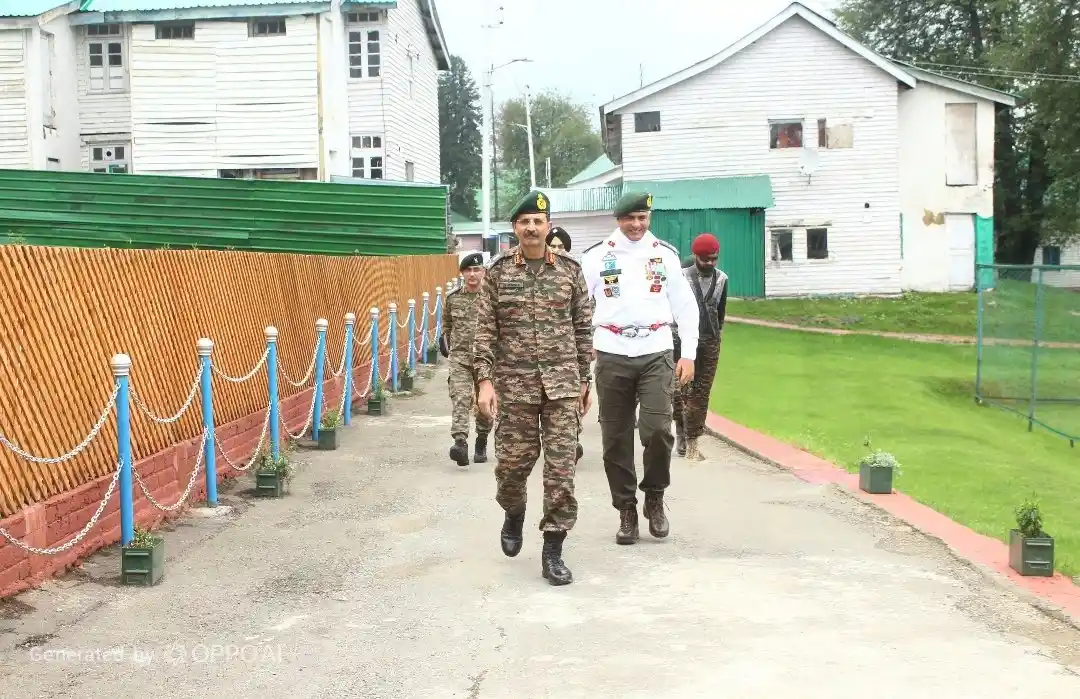
In reviewing the school's operational preparedness, the Army Commander expressed appreciation for the ongoing efforts to align training with the evolving operational landscape. He remarked that future conflicts are expected to require greater adaptability, technological expertise, and quick decision-making, especially in challenging terrains where logistics, weather, and geography heavily influence military operations.
Lt Gen Devendra Sharma commended HAWS for its proactive incorporation of contemporary operational concepts into training programs, ensuring that officers and soldiers possess the knowledge and skills needed for future battlefield challenges. He emphasized that realistic, mission-focused training is crucial for maintaining the Indian Army's operational edge in high-altitude environments.
The Army Commander also assessed infrastructure development projects aimed at enhancing the school's training capabilities. Modernization efforts are intended to provide better facilities for both trainees and instructors while supporting more sophisticated training methodologies. Strengthening HAWS's infrastructure is expected to further solidify its status as a globally recognized center of excellence in mountain warfare training.
One of the notable aspects of the visit was Lt Gen Devendra Sharma's commendation of the school's exemplary response during the recent Gondola crisis. He praised the HAWS instructors and personnel for executing quick, coordinated, and safe rescue operations under extremely challenging conditions, showcasing the institution's high standards of professionalism, preparedness, and operational capability.
The successful rescue during the Gondola incident highlighted the practical benefits of the specialized training offered at the school. Operating in rugged mountainous terrain demands exceptional physical endurance, technical expertise, and precise coordination—qualities that have long defined HAWS and its instructors.
Recognizing acts of individual bravery and professionalism, the Army Commander honored an instructor for his commendable role during Operation MANDU. This acknowledgment reflected the instructor's outstanding contribution during the operation and underscored the Indian Army's tradition of recognizing personnel who exhibit exceptional dedication, leadership, and operational excellence while performing their duties.
This recognition emphasized the significance of individual initiative and professionalism in military operations, particularly in high-risk environments where specialized skills and timely decision-making can be crucial. Such acknowledgments also serve as inspiration for both instructors and trainees, reinforcing the values of courage, commitment, and selfless service.
The visit reiterated the Indian Army's ongoing commitment to maintaining world-class standards in specialized military training. As the Army adapts to emerging security challenges and evolving operational scenarios, institutions like the High Altitude Warfare School remain central to developing highly skilled personnel capable of operating effectively in extreme environments.
By integrating advanced training methodologies, modern infrastructure, and real-world operational experience, HAWS continues to play an essential role in bolstering the Indian Army's capability to conduct operations in mountainous and high-altitude regions. The Army Commander's visit highlighted the institution's legacy of excellence and its ongoing transformation to address the demands of future warfare, ensuring that Indian soldiers remain among the best-trained mountain warriors globally.


