
India's First Military Medicine Department Inaugurated by Defence Minister Rajnath Singh in Lucknow

Defence Minister Rajnath Singh on Tuesday inaugurated the Department of Military Medicine at the Command Hospital (Central Command) in Lucknow through a virtual event. This department, the first of its kind in India, is devoted entirely to the study and practice of military medicine. It aims to bolster combat medical readiness, promote indigenous research, create specialized military medical doctrines, and prepare the Armed Forces to meet new battlefield and humanitarian challenges.
Under the Directorate General of Medical Services (Army), this newly established department marks a significant step in enhancing the operational medical readiness of the Armed Forces Medical Services (AFMS). As a research and development center and a Centre of Excellence, it will serve to build specialized expertise for military operations in both conventional and unconventional conflict scenarios, as well as improve India's disaster response capabilities.
In his virtual address during the inauguration, Rajnath Singh highlighted the crucial role of military strength and morale in ensuring a nation's sovereignty and progress. He expressed confidence that the Department of Military Medicine would bolster national security by delivering high-quality medical support to soldiers in challenging operational situations.
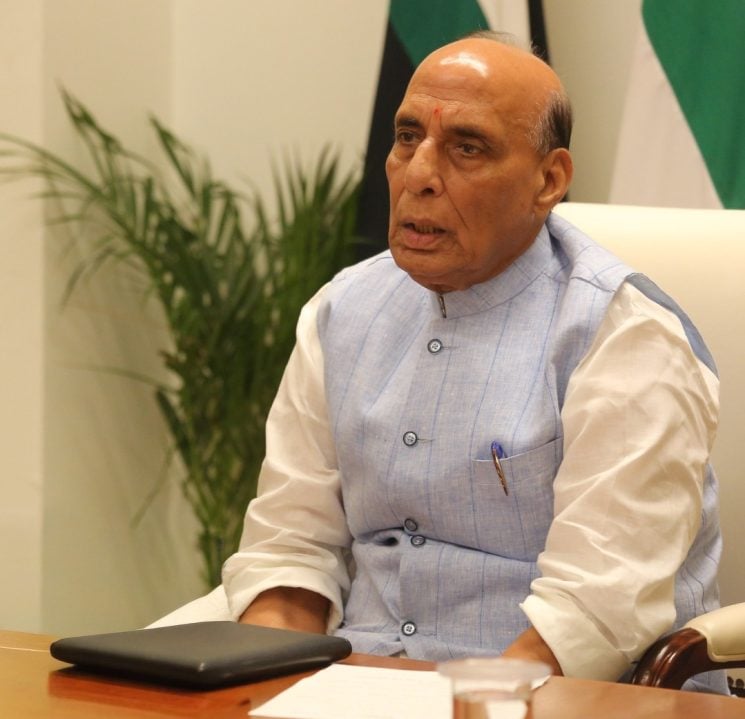
The Defence Minister noted that the department's establishment would reassure soldiers by ensuring they receive top-notch care whenever necessary, emphasizing the critical role of medical readiness in combat effectiveness.
Conceived as the leading academic, doctrinal, and research body for military medicine in India, the department will offer structured education, specialized training, and postgraduate programs in areas like combat medicine, combat surgery, and trauma care, while fostering research tailored to India's operational needs.
The department will center its efforts on fields such as Military Trauma, Damage Control, Combat Psychiatry, Psychological Resilience, Environmental and Operational Medicine, Military Medical Logistics, CBRNe Medical Response, Emergency Medicine, Disaster Medicine, Humanitarian Assistance, Data Analytics, and Medical Audit.
Furthermore, it will pioneer advancements in areas like technology-driven battlefield medicine, telemedicine, prolonged field care, simulation-based military medical training, and AI-supported decision systems, ensuring India's military healthcare evolves with modern warfare.
Rajnath Singh underscored the growing significance of military medicine as soldiers often operate in some of the world's most demanding environments. He compared it to aerospace medicine, which examines the impacts of warfare on military personnel, facilitating the development of medical protocols for diverse operational settings.
He noted that soldiers are deployed in harsh regions and climates globally, and the department's protocols would be tailored specifically for such conditions, ensuring effective operational support.
Discussing the evolving nature of warfare, Singh highlighted the persistent threat from weapons of mass destruction, including chemical, biological, radiological, and nuclear dangers. He affirmed that the department would serve as a key research and development hub, readying the nation to tackle emerging technological threats.
The department's development will unfold in phases, initially focusing on academic programs and infrastructure. Later stages will establish specialized Centres of Excellence for Humanitarian Assistance, Disaster Relief, and CBRNe Medicine, ultimately becoming a leading center for military medicine research.
Rajnath Singh pointed out that India's significant role in global humanitarian efforts, such as UN peacekeeping missions, underscores the need for expertise in disaster response, field hospital deployment, and mass casualty care, which the new department will support.
He also emphasized the importance of preventive healthcare as the first defence line, urging the development of a robust framework focusing on disease surveillance, immunization, sanitation, and regular medical screening for military personnel.
Singh advocated for the use of advanced technologies, including AI, wearable health-monitoring devices, and predictive analytics, to monitor soldiers' health and detect potential medical risks early, directly contributing to combat readiness.
He expressed hope that the department would open new pathways for young Army Medical Corps doctors to gain specialized education in military medicine, enhancing both the intellectual capital of the Armed Forces and India's global standing in military medical research.
The department is anticipated to serve as a key training center for Army Medical Corps officers, especially in battlefield nursing, trauma life support, and operational medicine, ensuring military doctors are prepared for specialized care in combat scenarios.
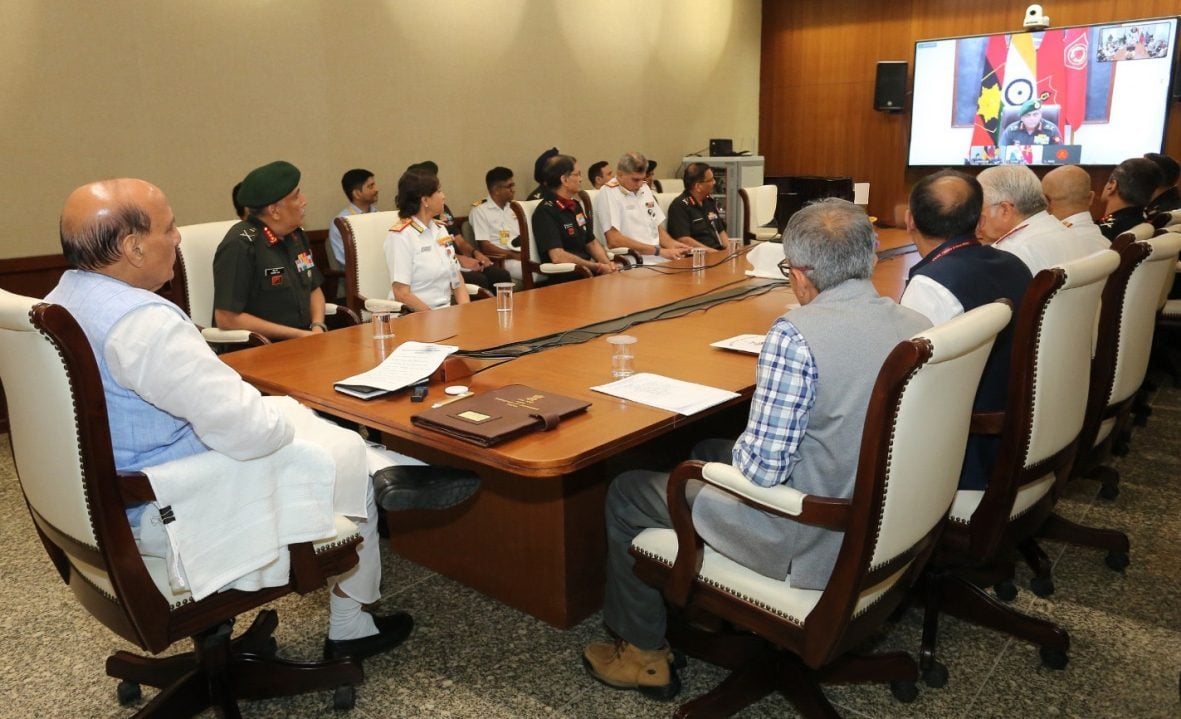
Concluding his speech, Singh hailed the department's establishment as a transformative step for India's military healthcare system, urging stakeholders to develop it into a leading Battlefield Medicine Research Centre to support future Indian Armed Forces requirements.
The inauguration saw attendance from several high-ranking officials, including Chief of the Army Staff General Dhiraj Seth and Defence Secretary Rajesh Kumar Singh, among others.
This initiative aligns with the Government of India's vision to enhance indigenous capabilities, improve defence readiness, and transform the Armed Forces Medical Services into a modern healthcare system. It complements the proposed Global Military Medicine Centre, positioning India as a leader in military medicine and humanitarian medical response.


