
Indian Army Western Command, Punjab Police Hold Talks to Counter Narco-Drone Threats Along Border

The Indian Army’s Western Command has held a focused interaction with senior Punjab Police officers to address the growing threat of drone-enabled narcotics trafficking along the border and to improve coordination between military and law-enforcement agencies.
The discussion brought together senior officers from the Army and Punjab Police to examine how narco-drone activity is evolving, how technology can be used for surveillance, and what kind of joint response is needed to deal with new border security challenges.
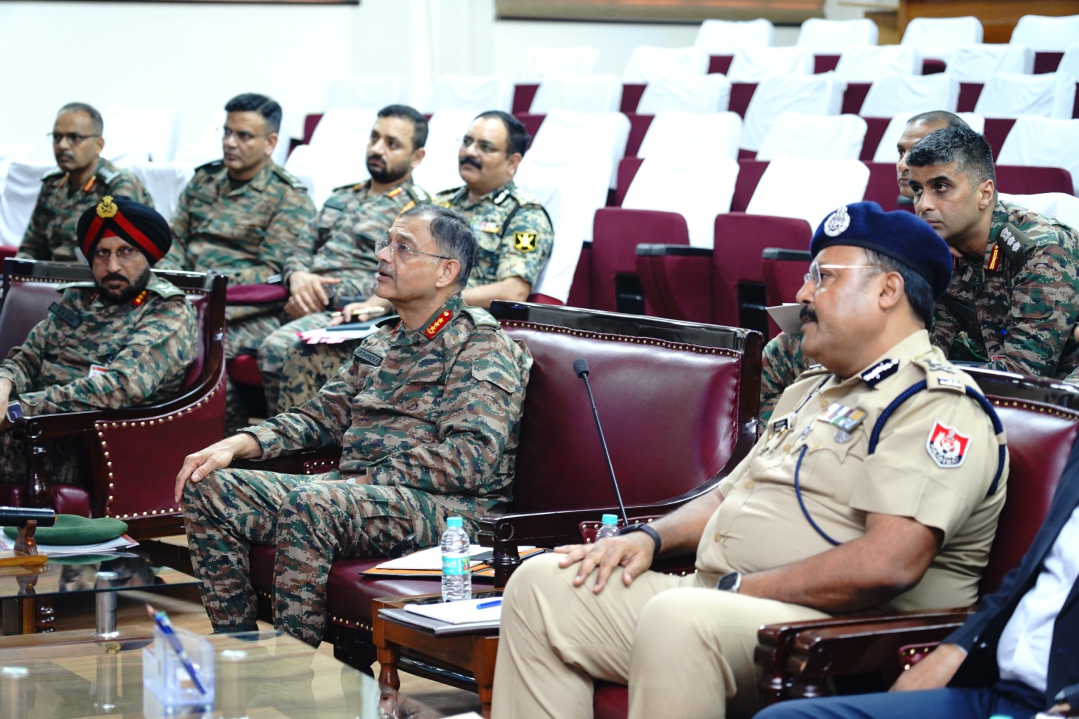
Among those who took part were PK Sinha, Special Director General of Police (Law and Order), Punjab, and the Additional Director General of Police of the Anti-Narcotics Task Force, Punjab. They shared their assessment of how drone-assisted trafficking is changing and what that means for enforcement in border districts.
Lieutenant General Pushpendra Singh, AVSM, SM**, Army Commander, Western Command, stressed the need for close inter-agency coordination in tackling such threats. He underlined the importance of technology-enabled surveillance and concerted action as key elements of an effective response to drone-related activity along the border.
The interaction comes against the backdrop of a broader challenge facing security agencies on India’s western frontier. The growing availability of commercially accessible unmanned aerial systems has opened up new possibilities for cross-border smuggling. Small drones can be used to move narcotics and other prohibited material while lowering the direct exposure of individuals involved in trafficking networks.
Punjab’s international border has therefore become an area of heightened concern, with security agencies paying close attention to the use of drones for cross-border smuggling. Their small size, ability to fly at night and capacity to operate at low altitudes can make them difficult to detect and intercept, especially across a long and geographically extensive border.
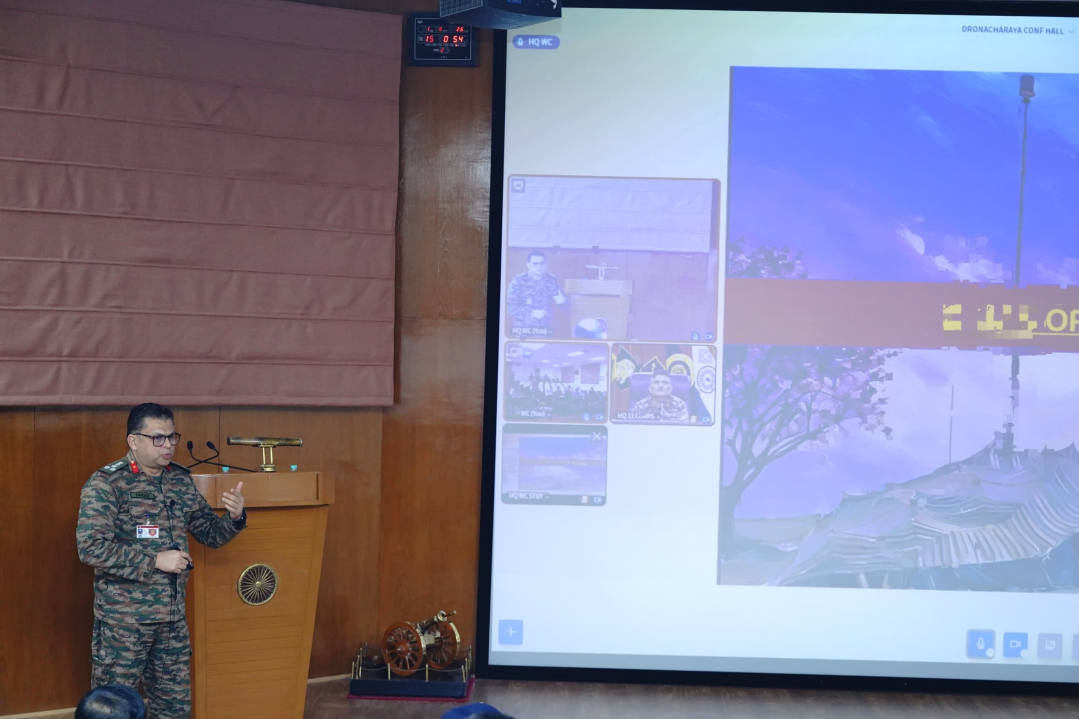
Officials discussed ways to strengthen coordinated response mechanisms, improve the use of technology and enhance operational synergy among the agencies responsible for security in border areas. The need for rapid information-sharing was a recurring theme, particularly in cases where the detection of an unmanned aerial vehicle must be followed quickly by tracking, interception, identification of likely drop zones and ground searches.
In such cases, law-enforcement agencies may then investigate the people or networks linked to the recovered material. That is why cooperation among the Indian Army, Border Security Force, Punjab Police, intelligence agencies and specialised anti-narcotics units is considered important. Each of these agencies brings different operational capabilities and information, which can together help build a fuller picture of suspicious activity.
Technology is becoming central to this effort. Surveillance systems, counter-drone tools, sensors and other monitoring platforms can help security forces identify unauthorised aerial movement and respond more quickly. But, as the discussion made clear, technology alone cannot solve the problem. It must be matched by coordination between agencies handling border security, policing, intelligence gathering and narcotics enforcement.
The involvement of Punjab Police’s Anti-Narcotics Task Force also points to the wider nature of the challenge. Countering narcotics trafficking does not end at the border itself. Investigations into recovered consignments can help agencies identify local facilitators, distribution channels, financial links and other parts of the trafficking chain.
The interaction at Headquarters Western Command reflects the increasing emphasis on building an integrated response to threats arising from rapidly advancing drone technology. Western Command has an important operational responsibility along India’s western sector, while Punjab Police and specialised state agencies maintain extensive law-enforcement and intelligence networks within the state. Better coordination between them can help link border surveillance with ground-level policing and investigation.
Officials also noted how inexpensive unmanned systems are changing border management. Technologies designed for civilian use can be adapted for illegal purposes, forcing security agencies to continuously update their surveillance, detection and response systems.
Regular engagement between military, police and specialised security agencies can help establish common operating procedures, improve information sharing and reduce response times when suspicious drone activity is detected. The Western Command interaction was presented as another step in that direction, with the aim of strengthening institutional cooperation against drone-enabled narcotics trafficking along India’s western border.


