
"Heart Donation by Army Officer’s Wife Saves 14-Year-Old Boy in Delhi"

A young boy, aged 14, who was facing end-stage heart failure, has received a new chance at life after a successful heart transplant in New Delhi. This was made possible by the generous decision of an Army family to donate organs. The heart came from a 41-year-old woman, the wife of an Indian Army officer, who was declared brain dead on May 2, 2026, at Command Hospital, Chandimandir in Panchkula, following a severe brain haemorrhage. Her husband and two daughters, showing immense courage and compassion, agreed to donate her organs, saving multiple lives in the process.
The heart was allocated to Indraprastha Apollo Hospital, where the boy had been waiting for a transplant. According to medical professionals, the boy had been battling a serious heart condition for over a year, requiring frequent hospital visits. A transplant was deemed the only viable solution, and he had been registered with the National Organ and Tissue Transplant Organisation (NOTTO) two months prior.
The operation required a highly coordinated and time-sensitive effort. Once the heart was available, a specialised medical team from Apollo Hospital was quickly mobilised. They arranged for a chartered jet to transport the organ from Chandigarh within the critical time window. The heart was successfully brought back to Delhi, adhering to the permissible cold ischemic time of about four hours.
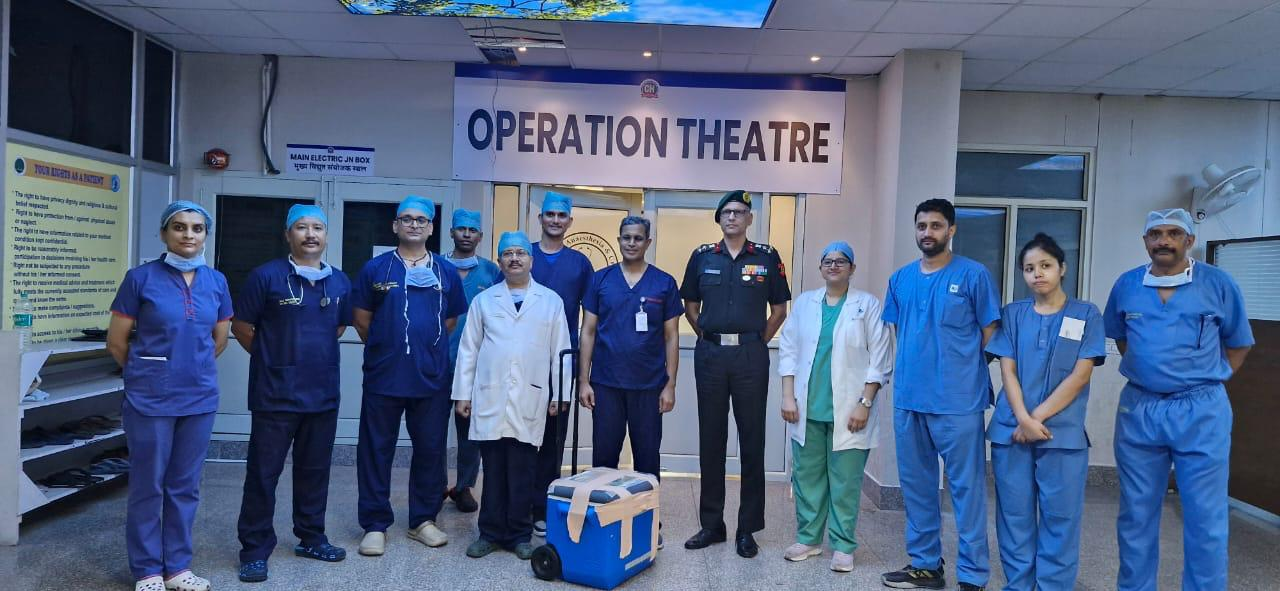
An efficient collaboration between multiple agencies ensured smooth operations. Authorities such as the Haryana Traffic Police, Punjab Traffic Police, and the Airports Authority of India provided necessary clearances. In Delhi, the Traffic Police established a green corridor, enabling the transport from the airport to the hospital in just 20 minutes.
The transplant surgery was successfully performed late at night, with doctors reporting the patient is stable and currently under close observation in the cardiac surgery intensive care unit.
Dr Mukesh Goel, a Senior Consultant in Cardiothoracic Surgery at Apollo Hospital, highlighted the critical nature of the boy's condition, which had deteriorated significantly, making the timely availability of a donor heart crucial. He noted the importance of restoring blood circulation within four hours post-transplant, underscoring the necessity of swift and precise coordination.
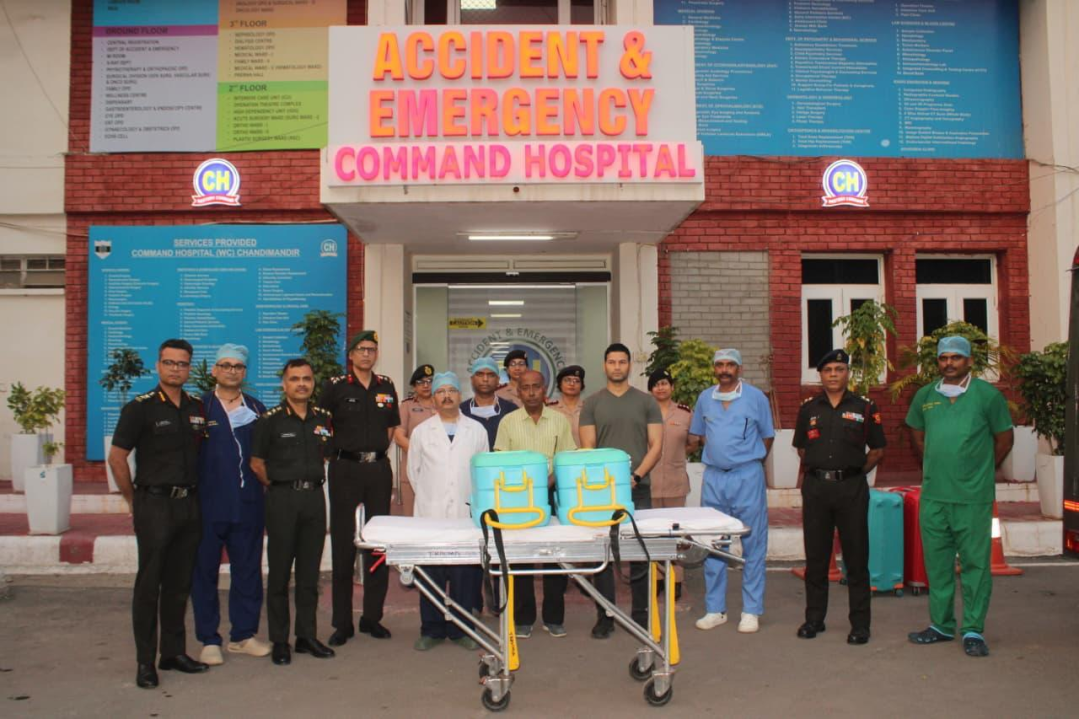
Colonel Anurag Garg of Command Hospital, Chandimandir, was specially commended for his role in overseeing and coordinating the organ donation process. The ACS Anytime Anywhere private jet team also received praise for their prompt support during this mission.
Apollo Hospital expressed profound gratitude to the donor’s family, the Indian Army, the medical teams, and all involved agencies for their collective effort. The hospital described this case as a powerful example of how organ donation, coupled with coordinated action, can save lives even amidst tragedy.
This heart transplant serves as a testament to human compassion, medical expertise, and the profound impact of timely organ donation in offering patients a second chance at life.


