
Former J&K DGP M.N. Sabharwal Dies at 86, Remembered for Building STF Against Militancy

Mahendra Nath (M.N.) Sabharwal, former Director General of Police of Jammu and Kashmir and a senior figure in India’s wider internal security establishment, died in Kanpur on Saturday, bringing to a close a long career that spanned policing, counter-terrorism, intelligence and national security administration.
A 1964-batch Indian Police Service officer of the Jammu and Kashmir cadre, Sabharwal served as the Director General of Jammu and Kashmir Police from October 1993 to February 1997, a period marked by intense militancy in the region. His tenure came at a time when security forces were engaged in sustained counter-terrorism operations and efforts to restore stability in the Union Territory.
Among the most important institutional decisions associated with his time as police chief was the creation of the Special Task Force (STF) in 1994. As the first dedicated counter-terrorism wing of the Jammu and Kashmir Police, the STF represented a major shift towards specialised operational capability within the state police force. The move strengthened the police’s ability to undertake focused anti-militancy operations and went on to shape the evolution of Jammu and Kashmir’s specialised security response.
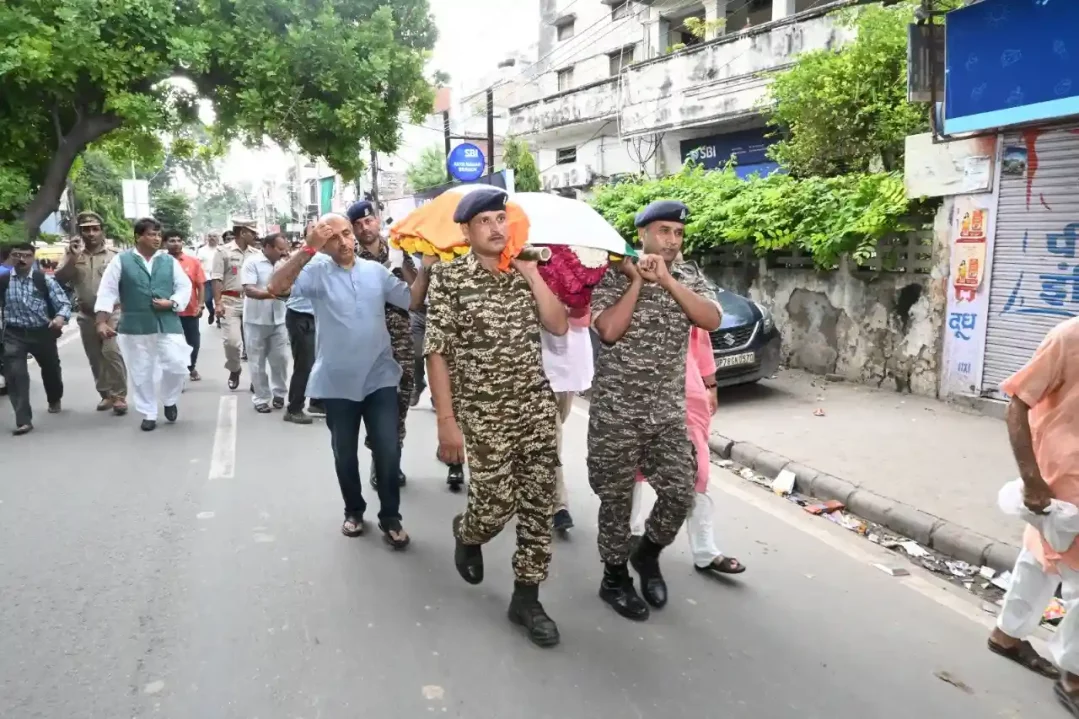
Sabharwal was the seventh DGP of Jammu and Kashmir, and his years at the helm of the force are remembered in particular for these efforts to build institutional capacity within the police during one of the most difficult phases in the region’s security history. The STF, established under his leadership, later became an important element of the state’s overall counter-terrorism architecture.
After completing his tenure in Jammu and Kashmir, Sabharwal moved on to some of the country’s most senior security appointments. He took over as Director General of the Central Reserve Police Force in December 1997 and remained in that position until July 2000. At the head of the CRPF, India’s largest central armed police force, he worked on organisational reforms and also focused on improving the welfare and working conditions of personnel.
His experience in Jammu and Kashmir, and his direct exposure to complex internal security challenges, informed his approach in the CRPF. The source article notes that his time leading the force was shaped by an understanding of the operational demands placed on personnel and the need to strengthen the institution for national internal security duties.
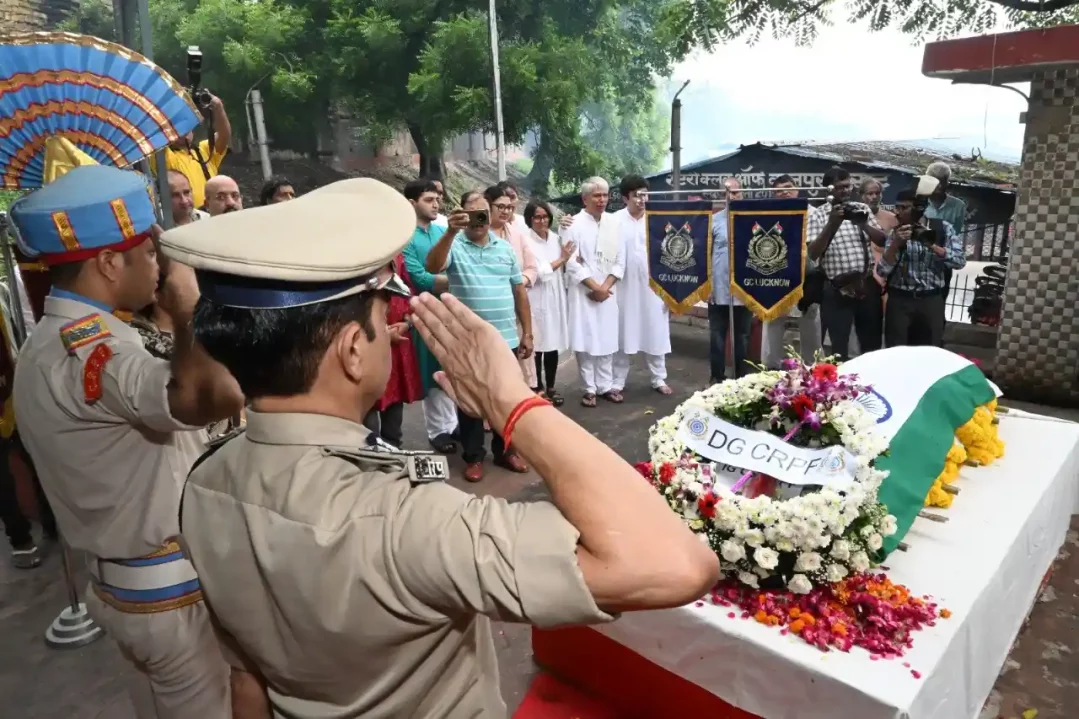
Sabharwal later served as Special Director of the Intelligence Bureau, adding an intelligence dimension to a career that had already included senior state policing and central armed police leadership. In the IB, he handled important responsibilities related to internal security and intelligence, further broadening his role in the country’s security framework.
In the later phase of his career, he was appointed Secretary (Security) to the Government of India. In that office, he was associated with matters linked to national security and VVIP protection, placing him in one of the government’s most sensitive security assignments.
Across these appointments, Sabharwal’s career reflected the changing demands of India’s internal security system over several decades. He served in key positions during a period that saw major challenges ranging from militancy in Jammu and Kashmir to broader national security and intelligence responsibilities. His professional journey took him through multiple critical institutions, including the Jammu and Kashmir Police, the CRPF, the Intelligence Bureau and the Government of India’s security apparatus.
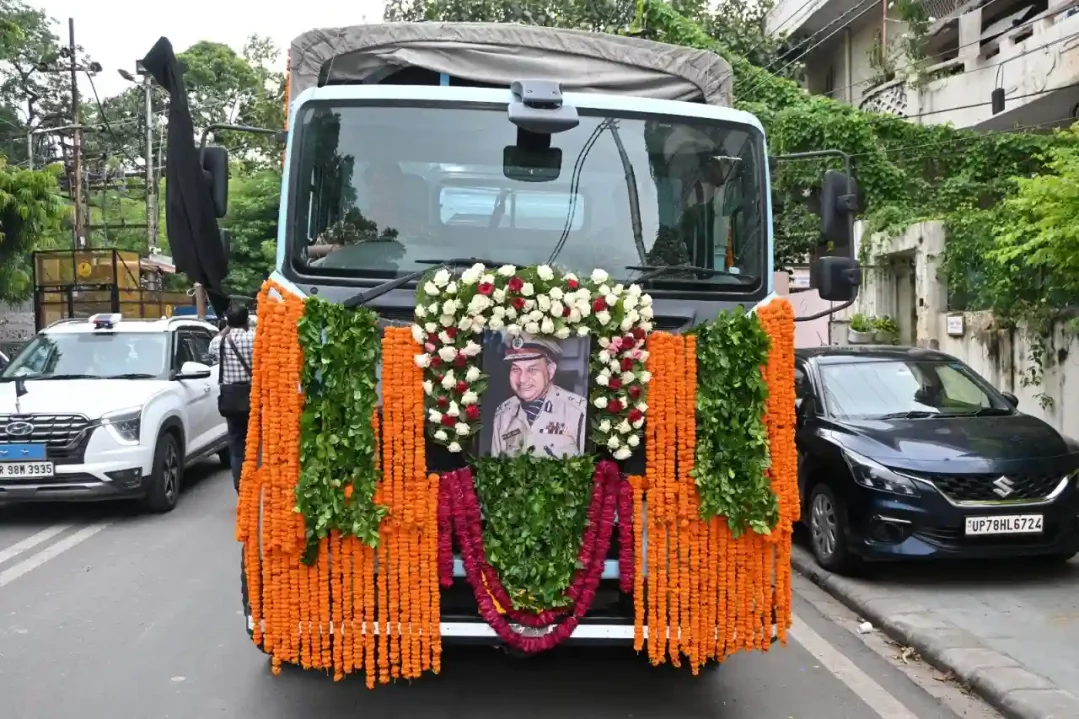
His legacy is closely tied to institution-building as much as to command appointments. The establishment of the Special Task Force during his tenure as Jammu and Kashmir Police chief remains one of the clearest examples of that legacy, as it created a specialised capability that would become central to the police force’s counter-terrorism response.
Sabharwal’s death marks the passing of an officer who held several of India’s most consequential policing and security posts during periods of considerable internal and national security strain. He is remembered for his role in policing reforms, counter-terrorism preparedness and the strengthening of institutions central to India’s internal security architecture.


